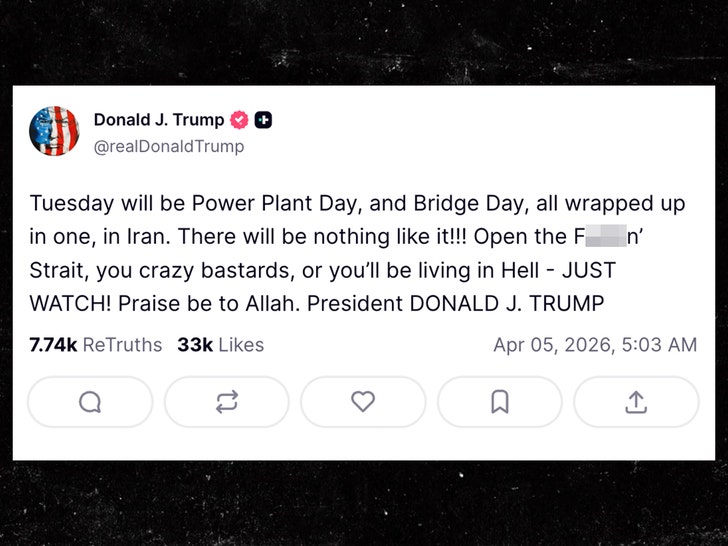
Donald Trump is facing mounting criticism from members of Congress after issuing a controversial Easter warning targeting Iran’s infrastructure, including bridges and power plants. The statement, delivered through social media and reinforced in public remarks, has intensified political debate in Washington and raised concerns about the potential consequences of escalating military rhetoric.
According to reports, Trump warned that the United States could strike key Iranian infrastructure if Tehran does not reopen the strategically critical Strait of Hormuz, a vital shipping route through which roughly 20% of global oil supplies pass.
The Easter message quickly triggered bipartisan reaction on Capitol Hill, with lawmakers questioning both the tone and implications of the threat. Several members of Congress expressed concern that targeting civilian infrastructure could risk violating international law and potentially draw the United States into a wider regional conflict.
Critics also warned that escalating rhetoric could complicate diplomatic negotiations currently underway through intermediaries attempting to broker a ceasefire or temporary agreement. While some political allies praised Trump’s hardline stance as necessary pressure on Iran, others described the approach as risky and lacking a clearly defined long-term strategy.
The controversy intensified after Trump reiterated his warnings during public appearances surrounding Easter events at the White House, where he referenced ongoing military operations and emphasized the need for Iran to comply with U.S. demands. Observers noted the unusual contrast between holiday messaging and wartime rhetoric, which further amplified media attention and political debate.
Iranian officials responded by warning of potential retaliation if additional strikes target civilian infrastructure, raising fears that further escalation could destabilize the broader Middle East region and disrupt global energy markets. Analysts warn that any interruption to shipping in the Strait of Hormuz could significantly impact oil prices and international trade flows.
Legal experts and former military advisors have also weighed in, suggesting that direct attacks on civilian targets such as power grids or transportation systems could create serious legal and ethical dilemmas for U.S. military personnel tasked with carrying out such orders.
The debate comes amid broader congressional scrutiny of U.S. involvement in the ongoing Iran conflict. Some lawmakers have previously attempted to introduce measures aimed at limiting executive authority to conduct prolonged military operations without explicit congressional approval, reflecting growing concern over war powers and strategic objectives.
Despite the criticism, the administration maintains that strong pressure is necessary to ensure stability in global energy supply routes and prevent further escalation by Iran. Officials have indicated that negotiations remain possible, though the timeline for any agreement remains uncertain.
As tensions continue, the political reaction in Congress underscores the challenges facing U.S. policymakers attempting to balance diplomatic engagement with military deterrence. The coming days are likely to play a decisive role in determining whether the current standoff leads to de-escalation or further confrontation with significant global implications.
Watch video below :