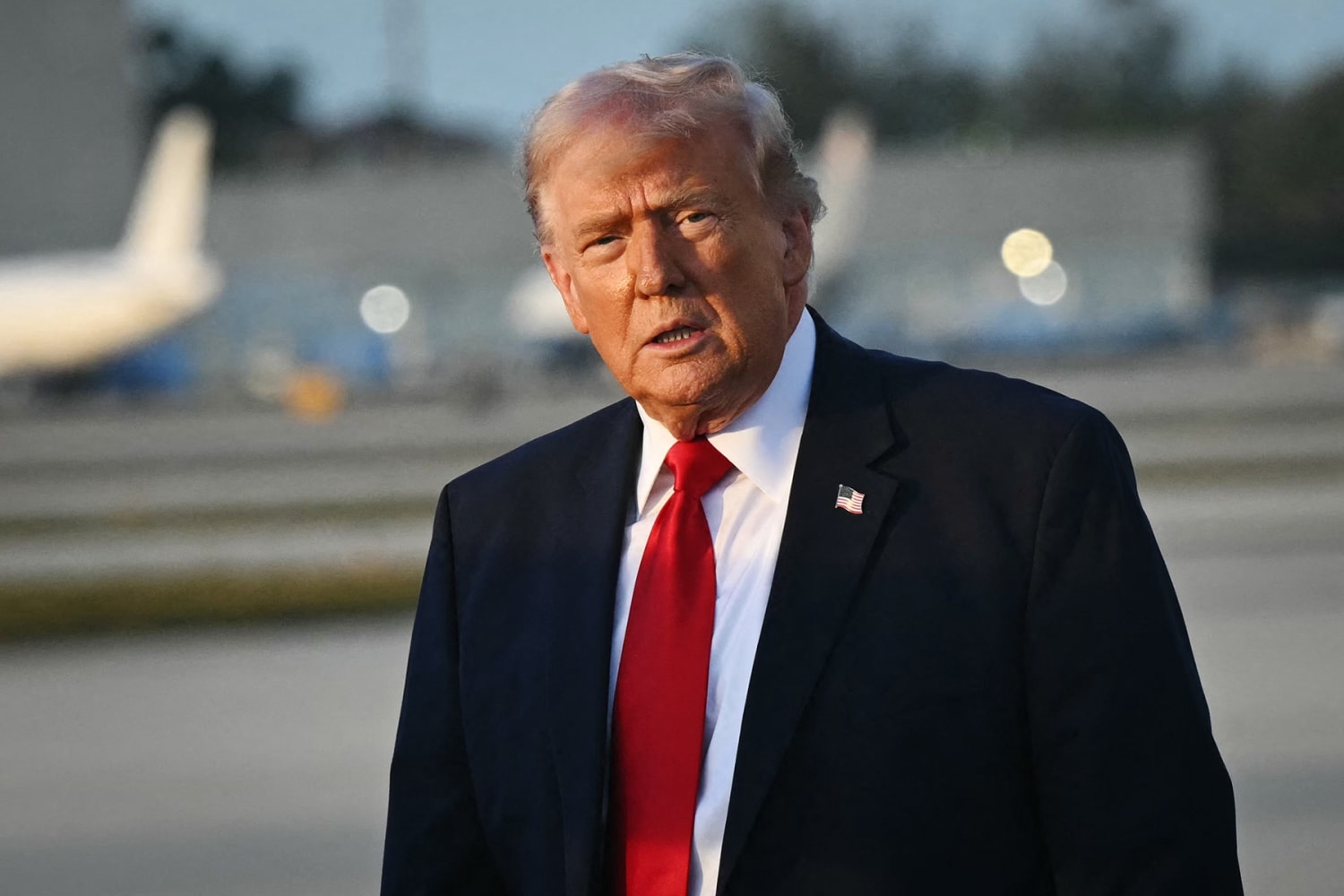
Donald Trump has sparked renewed global attention after claiming he could quickly learn Spanish and potentially become the best president for Venezuela, while simultaneously discussing strategic interests related to Iran’s oil resources. The remarks came during a press appearance addressing ongoing geopolitical tensions, highlighting how energy security and political influence remain central themes in current U.S. foreign policy discussions.
During the press conference, Trump suggested that he enjoys significant popularity among Venezuelan citizens and joked that after completing his presidential responsibilities, he might consider running for office in the South American country. He emphasized that language would not be a barrier, stating he could learn Spanish rapidly due to his confidence in linguistic ability.
The comments emerged in a broader discussion concerning global oil markets and the strategic importance of energy resources in shaping international relations. Trump indicated that control of oil assets has historically played a major role in geopolitical negotiations, referencing both Venezuela’s extensive petroleum reserves and the ongoing conflict involving Iran’s energy infrastructure.
Analysts note that Venezuela holds some of the world’s largest proven oil reserves, making it a key focal point for global energy supply chains. Trump’s remarks appeared to draw comparisons between previous U.S. involvement in Venezuela and potential policy approaches toward Iran, where energy exports remain a major economic driver.
The statement also coincided with continued diplomatic tension surrounding Iran’s oil production and shipping routes, particularly in relation to the strategic Strait of Hormuz. Trump has suggested that securing stable energy flows remains a priority, describing himself as a “businessman first” when discussing economic outcomes tied to international security decisions.
Political observers point out that comments linking Venezuela and Iran highlight the broader role of energy geopolitics in shaping alliances, sanctions policy, and military strategy. Both countries play critical roles in global oil supply, and developments affecting their production capacity can influence worldwide fuel prices, inflation trends, and economic stability.
Critics argue that such statements risk increasing diplomatic tensions, while supporters view them as evidence of a strategy focused on leveraging economic pressure to achieve political objectives. Regardless of interpretation, Trump’s remarks have generated widespread debate regarding the intersection of energy resources, leadership influence, and international diplomacy.
The combination of references to Venezuela’s political future, Spanish language ability, and Iran’s oil assets illustrates how economic considerations continue to influence foreign policy rhetoric. As negotiations and strategic decisions evolve, energy markets and geopolitical alliances remain closely interconnected.
With global demand for oil continuing to shape international priorities, Trump’s comments underscore the ongoing significance of resource competition in determining the balance of power across multiple regions. Observers expect further developments as policymakers evaluate how energy security, diplomacy, and political leadership intersect in an increasingly complex global landscape.
Watch video below :