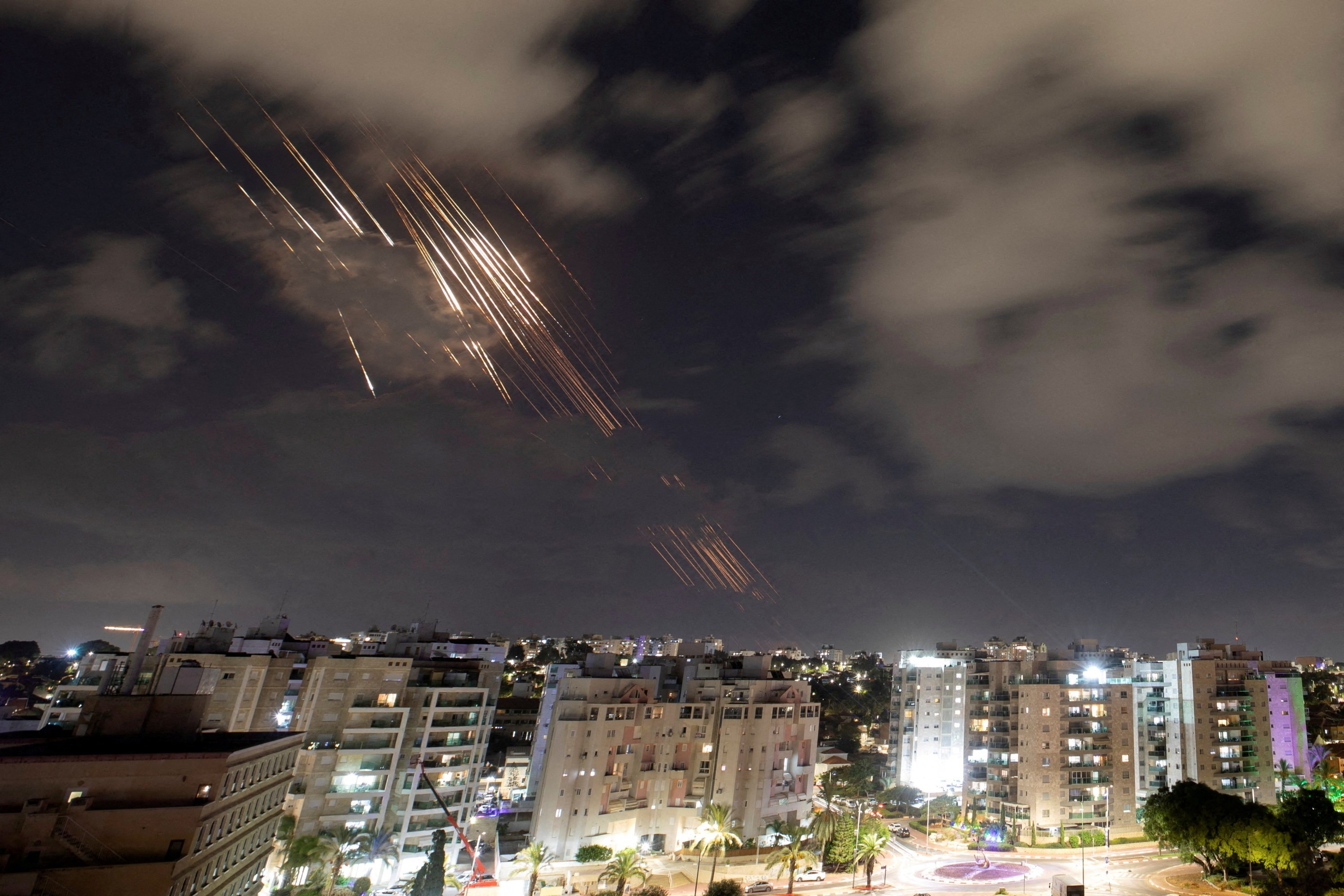
A series of ballistic missile strikes targeting Israel has intensified tensions across the Middle East, as Iran signals retaliation following recent military confrontations involving U.S. forces and regional allies. The escalating exchange highlights growing fears of a broader conflict that could destabilize an already fragile geopolitical landscape.
According to regional defense sources, multiple missiles were launched toward Israeli territory amid heightened military alert levels. Air defense systems were activated across several areas as authorities worked to intercept incoming threats. Emergency protocols were implemented nationwide, with residents advised to seek shelter as warning sirens sounded in major population centers.
Iranian officials described the strikes as a response to what they characterize as hostile actions targeting Iranian interests and military assets. Tehran has repeatedly warned that any attacks on its territory or personnel would trigger proportional retaliation. The latest developments indicate that tensions between Iran and Israel are entering a more dangerous phase, with the risk of direct confrontation increasing.
Israel’s military confirmed that missile defense systems were deployed to neutralize threats, though officials did not immediately disclose the full extent of damage or casualties. Security analysts note that Israel maintains one of the most advanced missile defense networks in the world, designed to intercept short-range rockets, medium-range missiles, and long-range ballistic threats.
The exchange comes amid a broader climate of instability in the Middle East, where multiple flashpoints continue to raise the risk of escalation. Experts warn that retaliatory strikes often create a cycle of action and counteraction that can rapidly expand beyond initial targets. The involvement of advanced missile technology further raises the stakes, as such weapons are capable of traveling long distances and delivering significant destructive force.
International leaders have urged restraint, calling on all parties to avoid actions that could widen the conflict. Diplomatic channels remain active as global powers seek to prevent further deterioration of regional security conditions. Economic concerns are also emerging, particularly regarding potential disruptions to energy markets and global trade routes.
Military observers emphasize that missile strikes between regional rivals carry strategic implications that extend beyond immediate battlefield outcomes. Demonstrations of missile capability are often intended to signal deterrence strength and influence political negotiations. However, such actions can also increase uncertainty and heighten the risk of miscalculation.
The evolving situation is being closely monitored by governments and international organizations concerned about humanitarian and economic consequences. Any sustained escalation could affect global markets, aviation routes, and maritime security in nearby strategic corridors.
As developments continue, the international community remains focused on preventing further escalation while encouraging diplomatic engagement. The latest missile exchange underscores the fragile balance of power in the Middle East and the importance of conflict management efforts aimed at reducing the likelihood of wider war.
Watch video below :