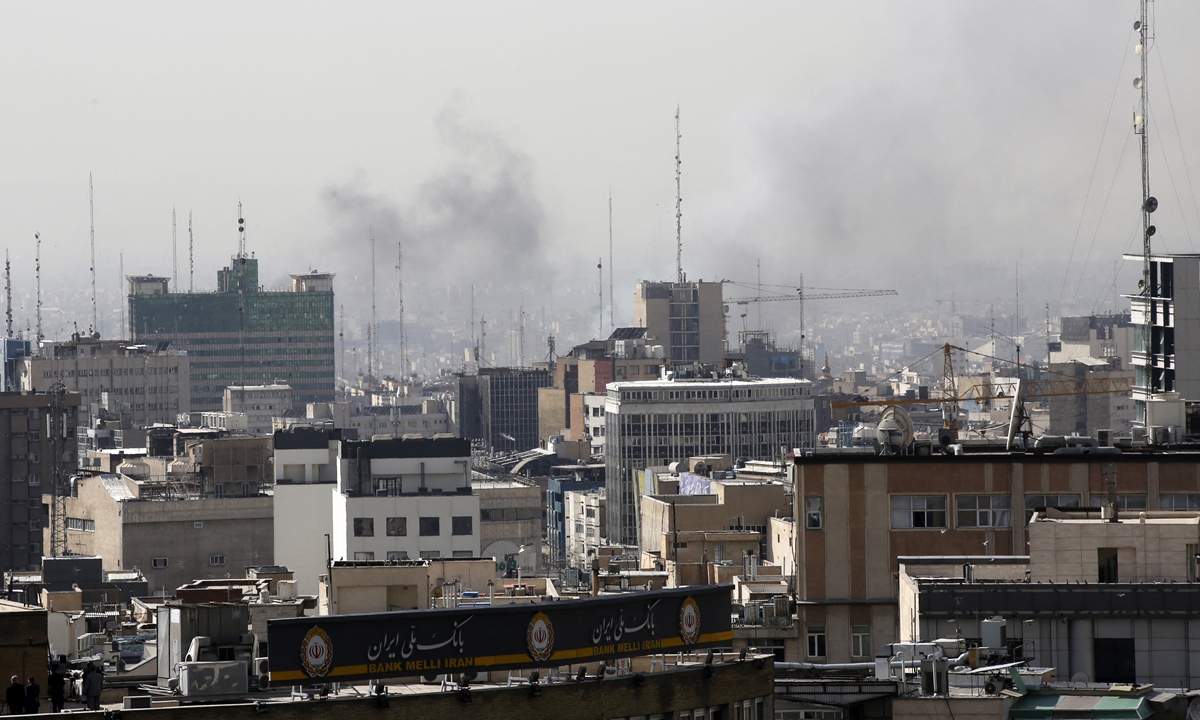
The arrival of US ground forces in the Middle East marks a significant escalation in the Iran war, as waves of airstrikes continue to hit Tehran and other strategic targets. The deployment comes as the conflict passes the one-month mark, signaling that military planners are preparing for a wider range of operational scenarios across the region.
Recent reports indicate that thousands of American troops, including Marines and rapid-response units, have been positioned at key bases throughout the Middle East. Military officials emphasize that the deployment does not necessarily indicate a full-scale invasion but provides commanders with flexibility for limited missions such as securing strategic infrastructure and protecting allied assets.
At the same time, multiple waves of airstrikes have struck locations in Tehran, targeting military facilities, weapons infrastructure, and logistical networks believed to support Iran’s regional operations. Analysts say these strikes are part of a broader strategy aimed at weakening Iran’s missile capabilities and reducing its ability to launch retaliatory attacks against US and allied forces.
The conflict traces back to coordinated US-Israeli military actions launched in late February 2026, which targeted nuclear and military sites across Iran. The offensive triggered retaliatory missile and drone strikes by Iranian forces against US bases and allied positions throughout the Middle East, expanding the scope of hostilities beyond a single battlefield.
Defense officials suggest the presence of ground troops enhances operational readiness, enabling rapid deployment if conditions change on the battlefield. Reports indicate the Pentagon has developed contingency plans for operations lasting several weeks, focusing on strategic locations such as the Strait of Hormuz and key energy infrastructure.
Iranian leaders have responded with strong warnings against any expansion of foreign military presence near their territory. Officials in Tehran state that additional troop deployments could provoke a wider regional confrontation, increasing risks for neighboring countries and international shipping routes.
The Strait of Hormuz remains a major concern for global markets, as a significant percentage of the world’s oil supply passes through the narrow waterway. Any disruption to shipping traffic could trigger volatility in energy prices and impact global economic stability. Strategic planners continue to monitor the situation closely, given the potential consequences for international trade and inflation.
The broader Middle East region is also experiencing increased military activity, with tensions spreading to multiple fronts involving allied groups and regional powers. Analysts warn that continued escalation could draw additional actors into the conflict, further complicating diplomatic efforts aimed at achieving a ceasefire.
Despite rising tensions, diplomatic channels remain active. Several regional governments are reportedly attempting to facilitate negotiations designed to reduce hostilities and prevent further destabilization. However, with both sides maintaining military readiness, the timeline for potential peace talks remains uncertain.
As airstrikes continue to hit Tehran and US ground forces strengthen their presence in the Middle East, the Iran war is entering a critical phase. The coming weeks are expected to play a decisive role in determining whether the conflict moves toward broader escalation or renewed diplomatic engagement.
Watch video below :