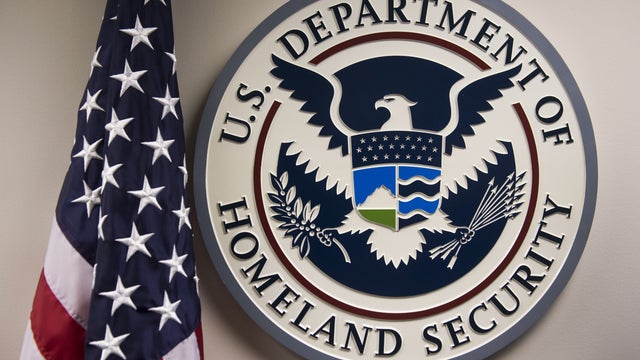
U.S. Representative Virginia Foxx has sharply criticized the Senate-passed funding legislation for the Department of Homeland Security (DHS), describing the bill as “better used as kindling in a fireplace.” The strong statement highlights growing political tensions in Washington as lawmakers debate federal spending priorities, border security policy, and national defense funding.
The DHS funding bill, recently approved by the United States Senate, is intended to provide financial resources for key homeland security operations, including border protection, immigration enforcement, cybersecurity initiatives, and counterterrorism programs. However, critics such as Foxx argue that the legislation fails to adequately address core security challenges while allocating resources inefficiently.
Foxx stated that the current version of the bill does not sufficiently strengthen border control measures or provide the level of accountability necessary to ensure effective use of taxpayer funds. According to her remarks, lawmakers should prioritize policies that deliver measurable results in areas such as immigration enforcement, infrastructure protection, and national emergency preparedness.
Supporters of the legislation contend that the DHS funding package represents a compromise designed to maintain operational continuity across multiple federal agencies. The Department of Homeland Security oversees several major organizations, including Customs and Border Protection, Immigration and Customs Enforcement, and the Transportation Security Administration, all of which rely on consistent funding to maintain daily operations.
The debate surrounding the DHS budget reflects broader political divisions over how federal resources should be allocated to address evolving national security concerns. Some policymakers advocate increased investment in technology-driven border management, while others emphasize humanitarian considerations and international cooperation as part of long-term security strategies.
Budget negotiations also play a critical role in determining funding levels for disaster response, cybersecurity defense, and infrastructure protection programs. Analysts note that fluctuations in federal funding can affect operational readiness and influence how effectively agencies respond to emerging threats.
Political observers suggest that strong rhetoric surrounding government spending bills often reflects deeper disagreements about policy direction rather than specific budget figures alone. Statements like Foxx’s demonstrate how legislative debates over homeland security funding remain closely tied to broader political priorities, including immigration reform, economic stability, and national defense strategy.
As discussions continue, the DHS funding bill is expected to remain a focal point in congressional negotiations. Lawmakers from both parties will likely seek revisions that balance fiscal responsibility with the need to maintain effective national security programs.
The outcome of these negotiations could influence future policy decisions related to border security funding, federal workforce support, and the strategic allocation of government resources aimed at protecting critical infrastructure and public safety.
Watch video below :