

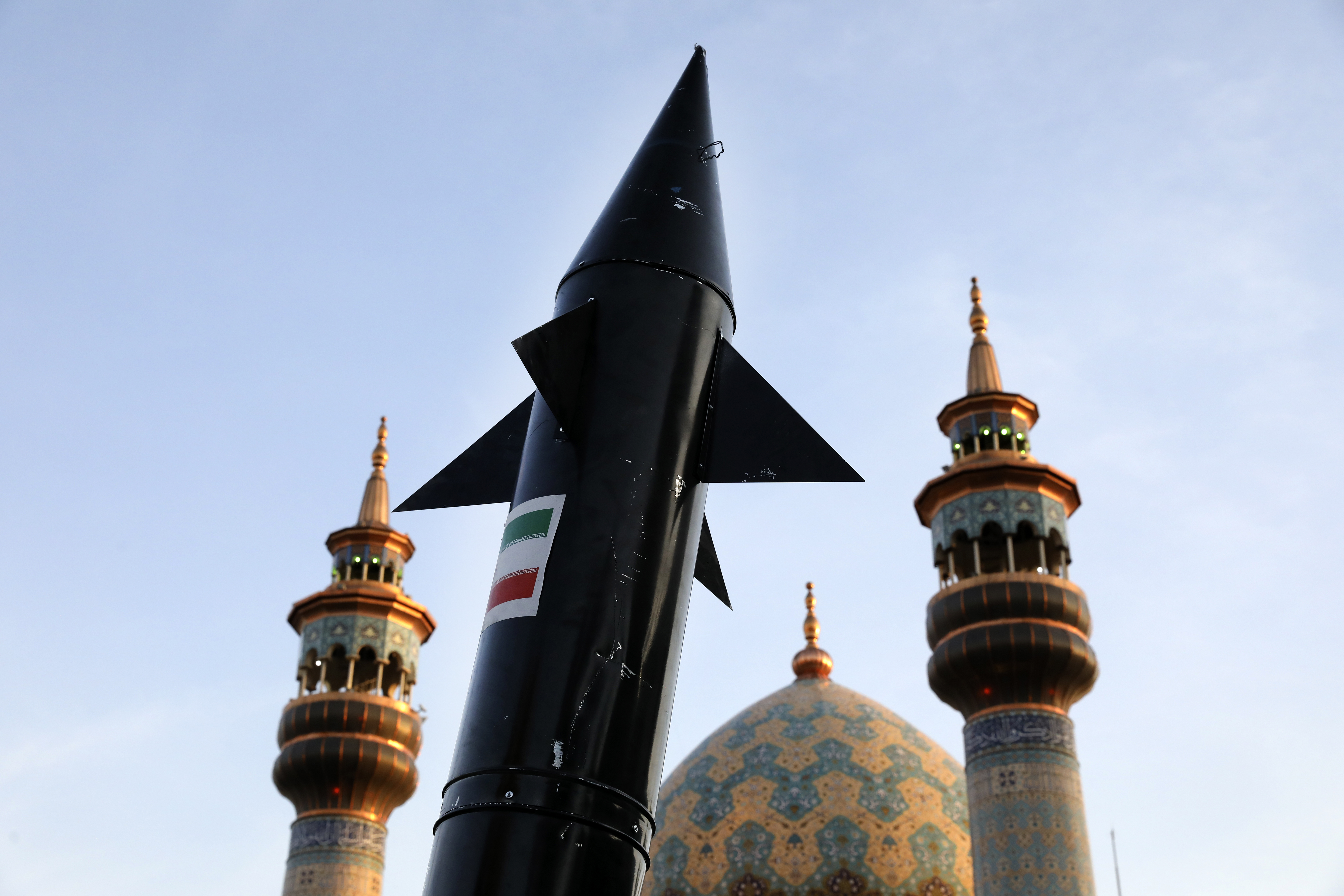
Defense analysts warn that Iran is expected to retain the ability to launch missiles even after weeks of sustained military strikes targeting its weapons infrastructure. Experts say the country’s missile program is designed for resilience, relying on underground facilities, mobile launch systems, and diversified production networks that make it difficult to eliminate completely.
Recent intelligence assessments cited by U.S. officials suggest that only about one-third of Iran’s missile arsenal has been fully destroyed, while another portion remains hidden in fortified underground storage sites. Analysts say these hardened facilities allow Iran to preserve launch capabilities even after repeated airstrikes on military bases and weapons factories.
Military specialists emphasize that missile programs are among the most survivable components of modern armed forces because they can be dispersed, concealed, and rapidly reconstituted. Iran has invested heavily in tunnel networks and mobile launch platforms, allowing it to maintain operational flexibility even when key infrastructure is damaged.
Security experts note that Tehran’s strategy focuses on deterrence through persistence rather than technological superiority. Even a limited number of operational missiles can pose a significant threat to regional bases, shipping routes, and strategic infrastructure. Analysts warn that the relatively low cost of producing certain missile and drone systems allows Iran to continue replenishing stockpiles over time.
Recent attacks have demonstrated that missile defense systems, while effective, cannot guarantee complete interception of incoming threats. Experts point out that even advanced air defense networks may allow a small percentage of projectiles to pass through, which can still result in meaningful damage or disruption.
Geopolitical observers say Iran’s missile capability plays a central role in its broader military doctrine, particularly as the country faces limitations in conventional air power due to decades of international sanctions. Ballistic missiles and long-range drones have become key tools enabling Tehran to project power beyond its borders and influence regional security dynamics.
Analysts caution that completely eliminating Iran’s missile capacity through airstrikes alone would be extremely difficult, especially given the country’s experience rebuilding weapons programs following previous conflicts. The ongoing situation highlights how modern warfare increasingly involves prolonged strategic competition rather than quick battlefield outcomes.
As tensions continue in the Middle East, defense experts expect missile threats to remain a central concern for military planners and policymakers. Even with continued pressure on Iran’s military infrastructure, analysts believe the country will likely retain at least limited launch capability in the near term, reinforcing concerns about further escalation and regional instability.
Watch video below :