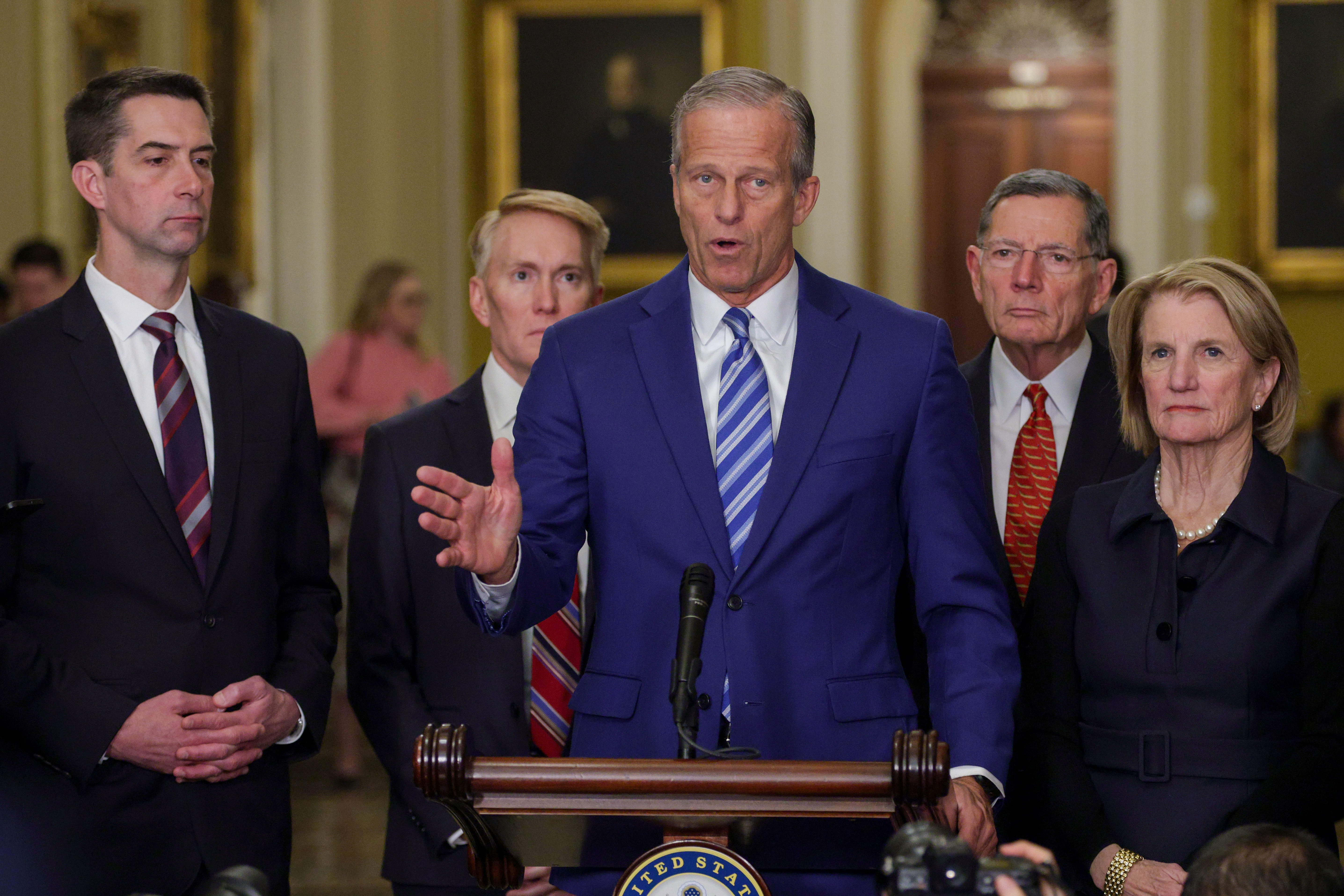
U.S. political tensions escalated after the Senate approved a late-night funding bill for the Department of Homeland Security (DHS), triggering strong reactions from party leaders and intensifying debate over immigration enforcement and border security policy. The legislation, designed to prevent further disruption to critical national security operations, passed amid an ongoing partial government shutdown that has already affected federal agencies and airport services across the country.
The Senate bill provides funding for several key DHS components, including the Transportation Security Administration (TSA), the Federal Emergency Management Agency (FEMA), the U.S. Coast Guard, and cybersecurity divisions responsible for protecting national infrastructure. However, the measure excludes funding for Immigration and Customs Enforcement (ICE) and certain U.S. Customs and Border Protection (CBP) functions, creating a major political divide between Republicans and Democrats.
Republican leaders strongly criticized the legislation, arguing that excluding ICE funding undermines border security and weakens immigration enforcement efforts. GOP lawmakers emphasized that DHS plays a central role in protecting national borders and ensuring public safety, warning that partial funding could create operational gaps in critical security programs. Several House Republican leaders signaled they may oppose the Senate bill unless it includes provisions that fully support immigration enforcement agencies.
Democratic leaders defended the narrower funding approach, stating that separating DHS operations from controversial immigration policies allows essential agencies to continue functioning without expanding enforcement powers that remain politically sensitive. Party representatives argued that reforms and oversight are necessary before approving additional funding for ICE, pointing to concerns about accountability, enforcement practices, and humanitarian standards.
The White House also weighed in on the situation, highlighting concerns about airport delays and workforce disruptions linked to the ongoing funding dispute. Officials indicated that efforts are being made to ensure TSA personnel continue receiving compensation despite the partial shutdown, aiming to minimize the impact on travelers and maintain stability in transportation security operations.
Policy analysts note that the DHS funding debate reflects broader disagreements in Washington over immigration policy, federal spending priorities, and national security strategy. The issue has become a key flashpoint in negotiations between Congress and the administration, with both parties attempting to balance security concerns with political commitments to their voter bases.
The late-night Senate vote underscores the urgency lawmakers face in preventing prolonged disruption to homeland security programs. While the bill advances funding for essential agencies, unresolved disagreements over ICE and border enforcement provisions suggest that further negotiations will be required before a comprehensive DHS funding agreement can be reached.
As discussions continue, the outcome of this legislative battle may shape future immigration policy debates, influence federal budget priorities, and impact how the United States approaches border security challenges in the years ahead.
Watch video below :