
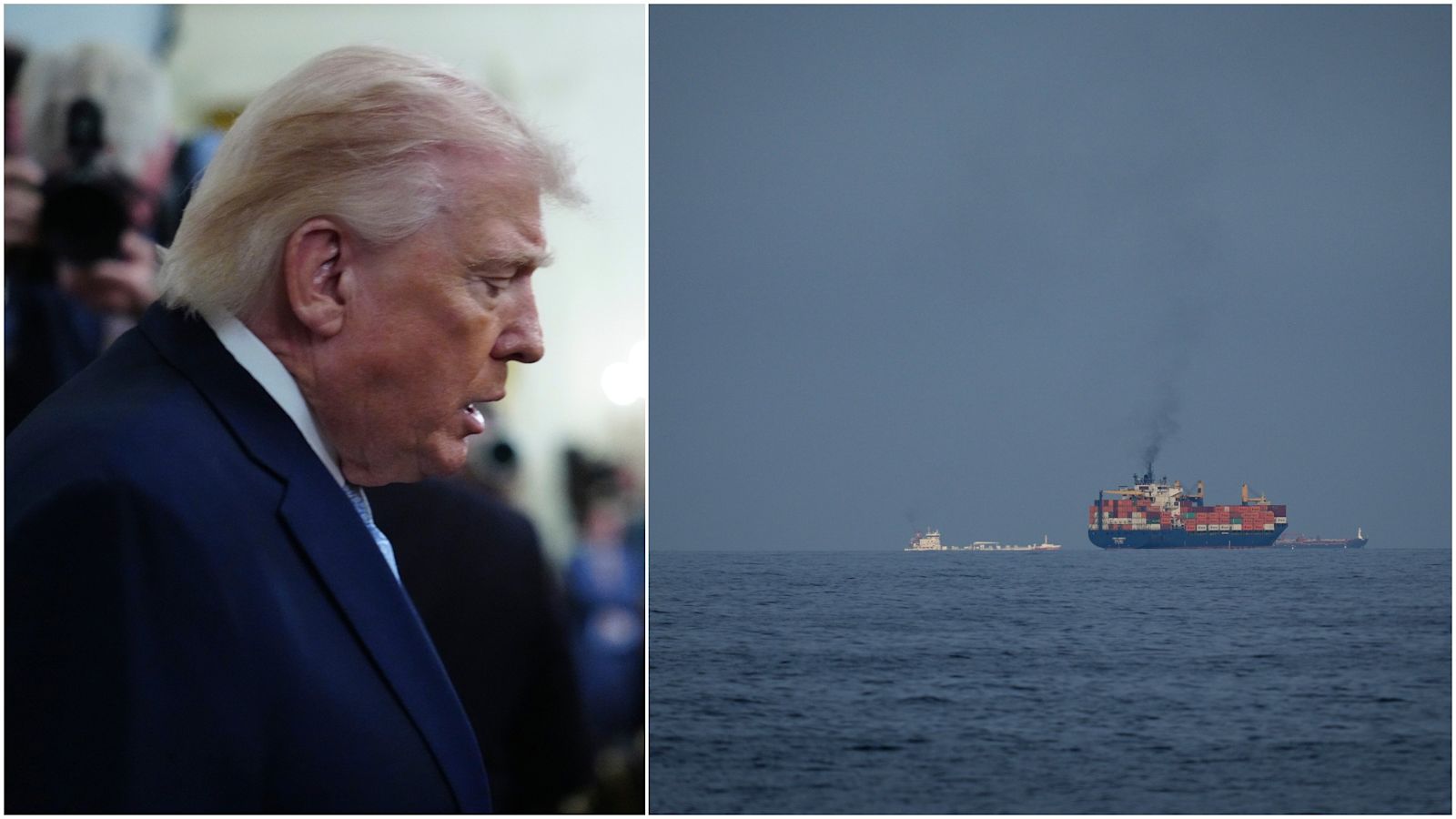
Tensions in the Middle East have intensified dramatically after Donald Trump reportedly issued a firm 48-hour ultimatum demanding that Iran reopen the vital shipping route of the Strait of Hormuz. The move has sparked global concern as the strategic waterway remains one of the most critical chokepoints for international energy trade.
According to emerging reports, the United States has warned of serious consequences if Iran fails to ensure safe passage for commercial vessels through the Strait of Hormuz. The narrow maritime corridor connects the Persian Gulf to global markets and is responsible for transporting roughly one-fifth of the world’s oil supply. Any disruption in this region can immediately impact global oil prices, supply chains, and the stability of financial markets worldwide.
The latest developments come amid escalating geopolitical tensions between Iran and Western allies, including the United States and Israel. Analysts warn that any prolonged blockade or military escalation could significantly affect global trade flows, energy security, and economic stability, particularly in oil-dependent economies.
The Strait of Hormuz has long been viewed as a strategic flashpoint due to its importance in the global energy network. Oil tankers carrying crude from major producers such as Saudi Arabia, United Arab Emirates, and Kuwait must pass through this narrow passage to reach international markets. Any threat to navigation can cause immediate volatility in global oil prices, affecting industries ranging from transportation to manufacturing.
Security experts believe the ultimatum reflects increasing pressure from Washington to maintain stability in global energy routes. Disruptions in the Strait of Hormuz have historically triggered rapid spikes in crude oil prices and increased geopolitical uncertainty. Investors are closely monitoring developments as markets react to potential risks of supply interruptions.
In recent years, the Middle East has witnessed periodic tensions around maritime security, highlighting the fragile balance of power in the region. The latest situation underscores how quickly regional conflicts can influence the global economy, especially when critical infrastructure or shipping routes are involved.
If the situation escalates further, the consequences could extend beyond the region, impacting global inflation, fuel costs, and supply chains. Governments and financial institutions worldwide are now closely watching the situation for signs of diplomatic resolution or further escalation.
As the 48-hour deadline approaches, international observers are urging restraint and dialogue to prevent further instability in one of the world’s most strategically important regions. The outcome of this confrontation could shape not only Middle Eastern geopolitics but also the future stability of global energy markets.
Watch video below :