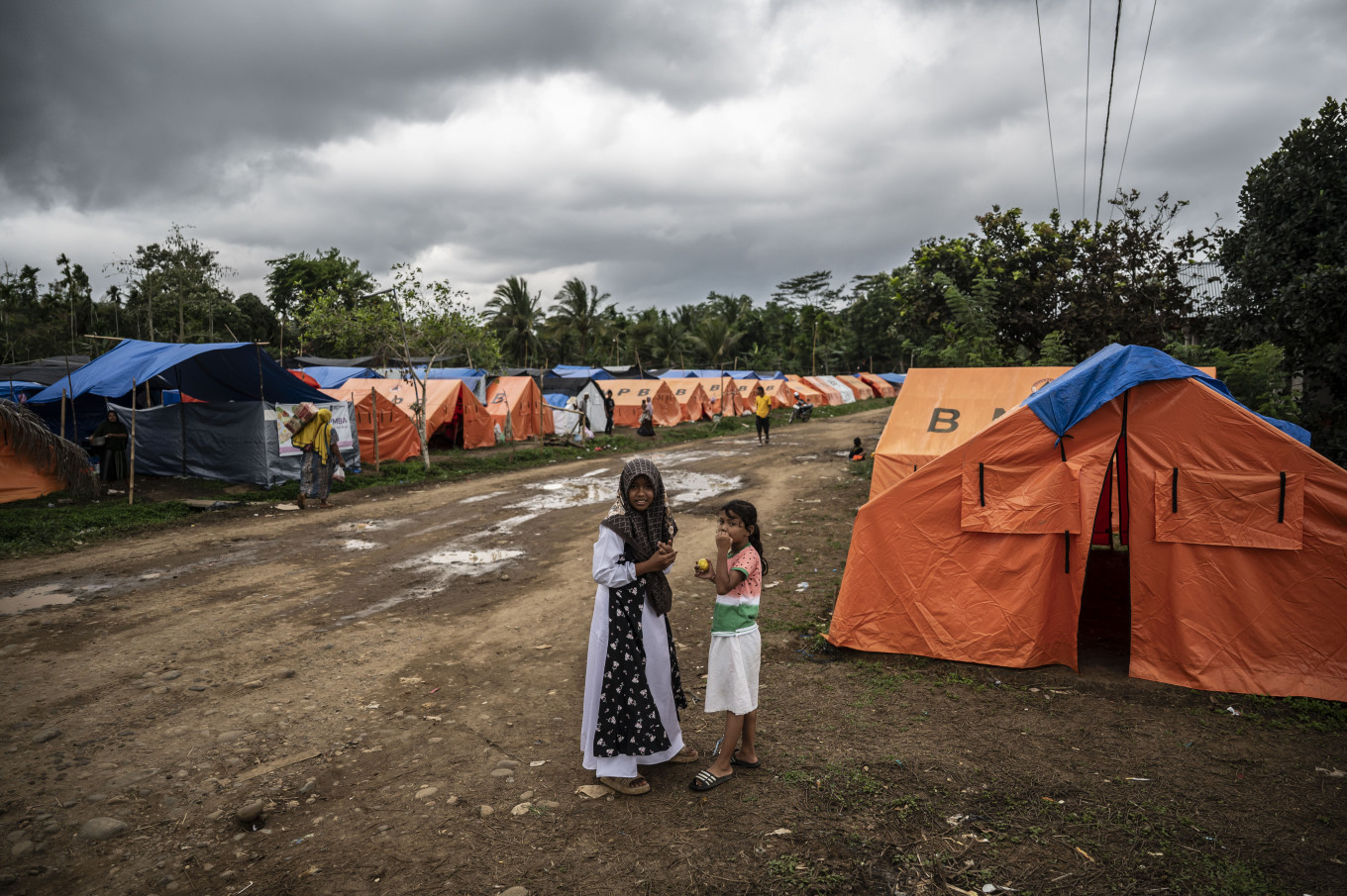
Emergency shelters are rapidly expanding across affected regions as thousands of residents flee rising floodwaters, creating an urgent humanitarian response effort. Authorities are working around the clock to accommodate evacuees, provide essential supplies, and ensure safety as the flooding crisis continues to worsen.
Severe weather and लगातार heavy rainfall have triggered widespread flooding, forcing families to abandon their homes with little notice. Entire neighborhoods have been submerged, with roads cut off and critical infrastructure disrupted. As a result, evacuation orders have been issued in multiple areas, prompting a surge in demand for temporary housing and emergency assistance.
Local governments, along with disaster response agencies and volunteer organizations, have mobilized to set up additional shelters in schools, community centers, and public facilities. These shelters are being equipped with basic necessities, including food, clean water, bedding, and medical support. In many locations, capacity has already been stretched, leading officials to open new sites to handle the influx.
Emergency responders have emphasized that the priority is ensuring the immediate safety of displaced residents. Rescue teams continue to operate in high-risk zones, using boats and specialized equipment to reach those stranded by floodwaters. Authorities are urging anyone in vulnerable areas to evacuate early and follow official guidance to avoid life-threatening situations.
The flooding has not only displaced residents but also disrupted local economies. Businesses have been forced to shut down, and transportation networks remain severely affected. Power outages and communication challenges have further complicated relief efforts, making coordination more difficult for both officials and affected communities.
Health and safety concerns are also growing. Overcrowded shelters can increase the risk of illness, while contaminated floodwaters pose additional dangers. Medical teams have been deployed to monitor conditions and provide care, particularly for vulnerable groups such as children, the elderly, and individuals with pre-existing health conditions.
Despite the challenges, community support has played a crucial role in the response. Volunteers are assisting with food distribution, donations, and shelter operations. Local organizations have also stepped in to provide emotional support, recognizing the psychological impact of displacement and loss.
Weather forecasts indicate that conditions may remain unstable in the coming days, raising concerns that flooding could intensify in some areas. Officials are closely monitoring river levels and rainfall patterns, preparing contingency plans for further evacuations if necessary.
In the long term, recovery efforts are expected to take significant time and resources. Rebuilding homes, restoring infrastructure, and supporting affected families will require coordinated efforts at local, national, and potentially international levels.
For now, the focus remains on immediate relief—ensuring that those forced from their homes have a safe place to stay and access to essential services. As the situation evolves, authorities continue to urge vigilance, preparedness, and community cooperation to navigate the ongoing crisis.
Watch video below :