Tensions in the Middle East have escalated sharply after Iran launched retaliatory strikes targeting Qatar’s critical energy infrastructure, following an earlier Israeli attack on the South Pars gas field. The unfolding crisis is sending shockwaves through global energy markets and raising fears of a broader regional conflict.
The initial trigger came when Israel struck Iran’s section of the South Pars gas field—one of the largest natural gas reserves in the world. This strategic asset is jointly shared with Qatar, where it is known as the North Field. The attack marked a significant escalation, as energy infrastructure has traditionally been considered a highly sensitive and risky target due to its global economic importance.
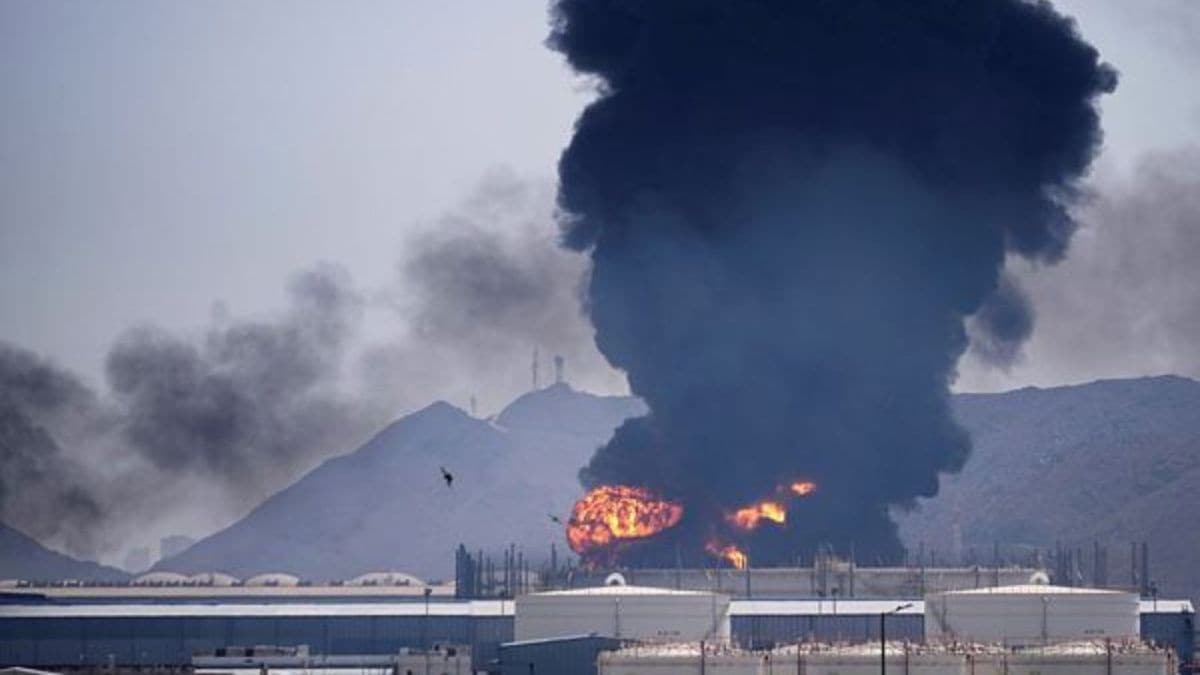
In response, Iran launched a series of strikes aimed at regional energy hubs, including Qatar’s Ras Laffan Industrial City—the world’s largest liquefied natural gas (LNG) export facility. The strikes reportedly caused substantial damage, disrupting operations and reducing Qatar’s LNG export capacity significantly.
Industry analysts estimate that the attack could cut global LNG supply by a notable margin, given Qatar’s central role in international energy markets. The country is one of the top LNG exporters globally, supplying key markets across Asia and Europe. Any disruption at Ras Laffan Industrial City has immediate ripple effects on energy prices, supply chains, and geopolitical stability.
Iran’s decision to target Qatar is widely seen as both a retaliatory measure and a strategic warning. By striking infrastructure connected to the shared gas field, Iran is signaling that attacks on its energy assets will have regional and global consequences. This move also underscores the vulnerability of interconnected energy systems in the Gulf region.
The situation is further complicated by the proximity of the Strait of Hormuz, a critical shipping route through which a significant portion of the world’s oil and gas supplies pass. Any escalation in this area could severely disrupt global energy flows, leading to spikes in oil and gas prices.
Financial markets have already begun reacting to the developments. Oil prices have surged amid concerns over supply disruptions, while natural gas markets are experiencing increased volatility. Governments and energy companies worldwide are closely monitoring the situation, preparing contingency plans to mitigate potential shortages.
This crisis highlights a dangerous shift in modern conflict dynamics, where energy infrastructure is increasingly becoming a primary target. Such actions not only impact the countries directly involved but also have far-reaching implications for the global economy.
As the situation continues to evolve, the risk of further escalation remains high. The involvement of multiple countries and the strategic importance of the targeted assets suggest that this conflict could expand beyond its current scope, affecting international trade, energy security, and geopolitical stability.
Watch video below :