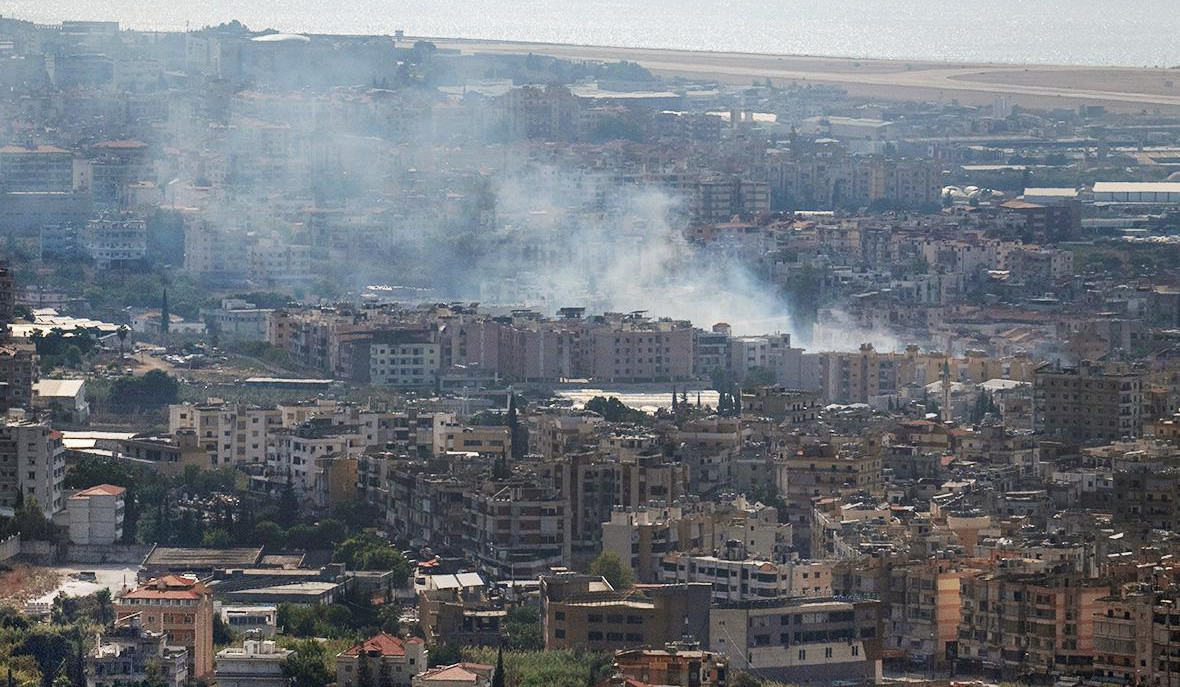
Thick plumes of smoke filled the skies over Beirut after a series of powerful airstrikes struck the city’s southern districts, intensifying fears of a broader escalation in the Middle East. The attacks, which targeted areas widely known to be strongholds of Hezbollah, have heightened tensions across Lebanon and beyond.
Eyewitnesses reported hearing multiple explosions in quick succession, followed by towering columns of black smoke rising above residential neighborhoods. The strikes reportedly caused significant structural damage, though the full extent of casualties has not yet been officially confirmed. Emergency responders were quickly deployed to affected areas, working to contain fires and assist civilians caught in the aftermath.
The southern districts of Beirut have long been considered strategically sensitive due to their association with Hezbollah, a powerful political and military force in Lebanon. While no official statement immediately confirmed responsibility, the nature and precision of the strikes have led analysts to suggest a likely connection to ongoing regional hostilities involving Israel and its adversaries.
The attack comes amid a period of escalating conflict across the Middle East, with tensions already running high due to recent military confrontations and targeted strikes in neighboring countries. Observers warn that expanding the conflict into Lebanon could mark a dangerous turning point, potentially drawing in multiple actors and increasing the risk of a wider regional war.
Residents described scenes of panic as families fled buildings and sought shelter. “The sky turned dark within minutes,” one witness said, highlighting the intensity of the bombardment. Social media footage circulating online shows smoke blanketing large sections of the العاصمة, with sirens echoing through the streets.
Lebanese officials have condemned the strikes, calling them a violation of national sovereignty and international law. Government representatives urged the international community to intervene and prevent further escalation, warning that continued attacks could destabilize an already fragile situation in the country.
Meanwhile, Hezbollah has yet to release a detailed response, though past incidents suggest the group could retaliate if it confirms responsibility behind the strikes. Any such response could trigger a cycle of escalation, raising concerns among global powers and regional allies.
Humanitarian organizations are also expressing alarm, noting that densely populated urban areas are particularly vulnerable during such attacks. Damage to infrastructure, including roads and utilities, could further complicate rescue efforts and access to essential services.
The international community is closely monitoring developments, with calls for restraint growing louder. Diplomatic channels are reportedly being activated in an effort to de-escalate tensions and prevent further violence.
In conclusion, the airstrikes on Beirut’s southern districts represent a significant and alarming development in an already volatile region. As smoke continues to rise over the city, the incident underscores the fragile security landscape in Lebanon and the broader Middle East. The coming days will be critical in determining whether the situation stabilizes or spirals into a wider and more dangerous conflict.
Watch video below :