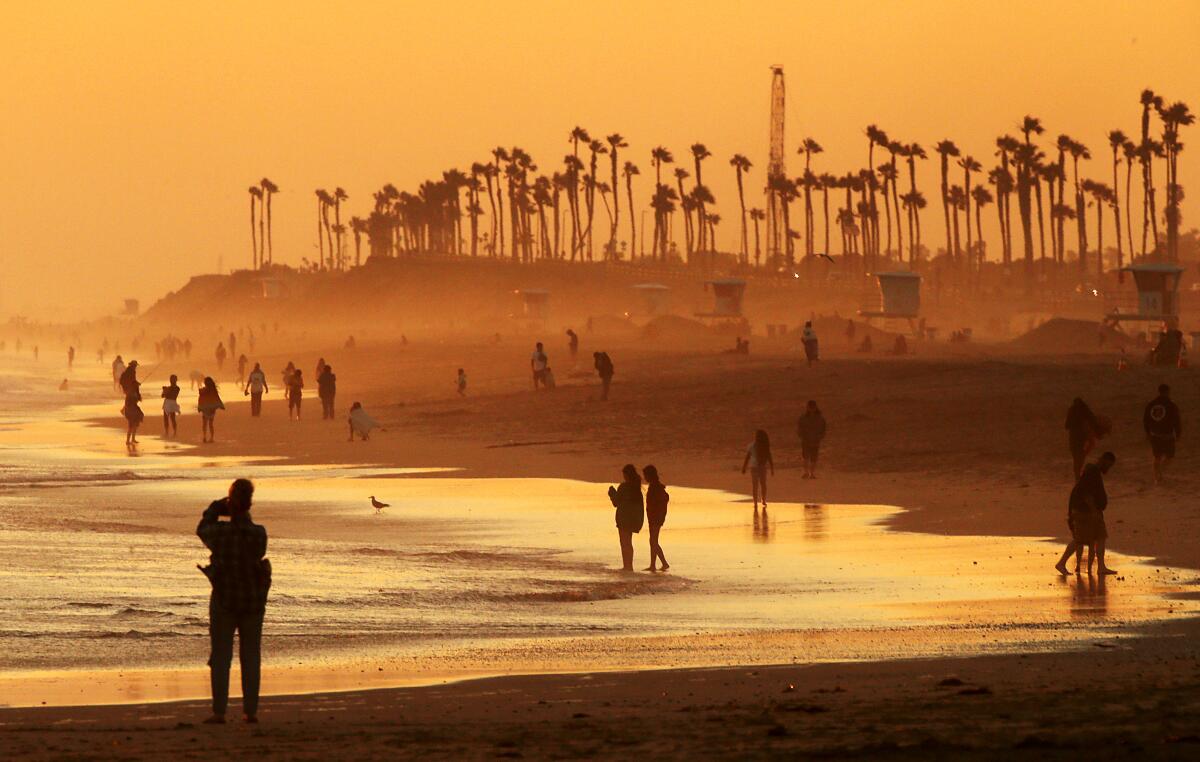
An intense and potentially dangerous heatwave is sweeping across Southern California, pushing temperatures to extreme levels and prompting widespread health alerts, wildfire warnings, and emergency preparedness measures.
Major cities including Los Angeles and San Diego are experiencing soaring temperatures well above seasonal averages, with some inland areas expected to exceed 40°C (104°F). Meteorologists warn that this prolonged heatwave could be one of the most severe events of the year, driven by a persistent high-pressure system trapping hot air over the region.
Authorities have issued heat advisories across multiple counties, urging residents to limit outdoor activity, stay hydrated, and check on vulnerable populations such as the elderly and young children. Cooling centers have been opened to provide relief, particularly for those without access to air conditioning.
Health officials are increasingly concerned about the risk of heat-related illnesses, including heat exhaustion and heatstroke. Hospitals in several areas have reported a rise in emergency visits linked to the extreme weather. “This is not just uncomfortable—it’s dangerous,” one public health official warned, emphasizing the need for caution during peak daytime hours.
In addition to health risks, the heatwave has significantly increased the threat of wildfires. Dry vegetation combined with high temperatures and occasional gusty winds creates ideal conditions for fires to ignite and spread rapidly. Fire departments across Southern California have heightened their readiness, deploying additional crews and resources to high-risk zones.
Energy demand has also surged as millions of residents rely heavily on air conditioning to cope with the heat. Utility providers have warned of potential strain on the power grid, urging consumers to conserve electricity during peak hours to prevent outages.
Climate experts point to broader trends in climate change as a contributing factor to the increasing frequency and intensity of such heatwaves. Rising global temperatures are making extreme weather events more common, particularly in regions like Southern California that are already prone to hot, dry conditions.
The current heatwave has also disrupted daily life, affecting outdoor work, public events, and transportation. Construction projects have been delayed, and schools in some districts have adjusted schedules to protect students from extreme heat exposure.
Residents are being advised to take precautions, including wearing light clothing, avoiding direct sunlight during midday hours, and never leaving children or pets in parked vehicles. Even short periods inside a car can become life-threatening under such conditions.
Looking ahead, forecasters say the heatwave may persist for several more days before temperatures begin to gradually decline. However, the long-term outlook suggests that similar events could become more frequent in the future.
In summary, the extreme heatwave gripping Southern California is a serious and multifaceted threat, impacting public health, infrastructure, and environmental safety. As authorities continue to respond, the situation serves as a stark reminder of the growing challenges posed by extreme weather in a changing climate.
Watch video below :