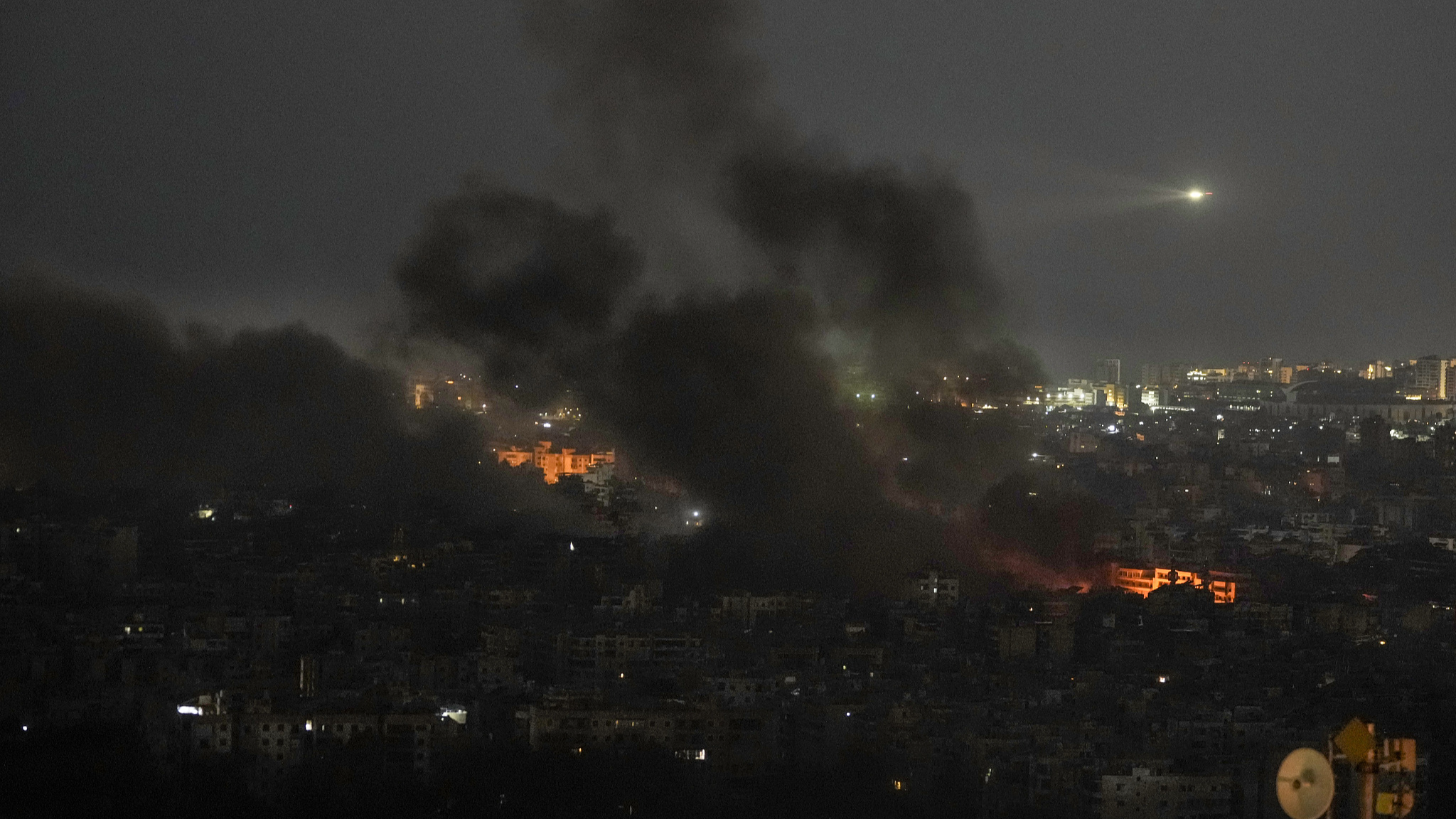
A series of powerful explosions shook the Lebanese capital of Beirut as tensions between Israel and Hezbollah continued to escalate, raising fears that the long-running confrontation could expand into a broader regional conflict.
Residents across several districts reported hearing loud blasts late at night, with shockwaves rattling windows and sending plumes of smoke rising above parts of the city. Emergency services quickly mobilized while authorities began assessing the source and impact of the explosions.
Reports of Airstrikes and Retaliation
Security officials and regional media reports suggested the explosions may have been linked to Israeli airstrikes targeting suspected Hezbollah positions and infrastructure in or near Beirut.
The Israel Defense Forces has previously stated that its operations are aimed at disrupting Hezbollah’s weapons supply routes and military capabilities. Israeli officials argue that the militant group has expanded its arsenal in recent years, posing a growing threat to Israeli territory.
Hezbollah, which is backed by Iran, has responded to previous strikes with rocket launches and cross-border attacks, intensifying the ongoing conflict along Israel’s northern frontier.
Civilian Concerns Grow
Residents of Beirut expressed growing concern as the explosions highlighted the risks facing civilians in densely populated urban areas. Many families reported rushing indoors or seeking safer locations as sirens and emergency vehicles moved through the city.
Authorities in Lebanon have not immediately confirmed the full extent of the damage or whether casualties were reported, but rescue teams and civil defense units were deployed to several neighborhoods following the blasts.
Regional Tensions Rising
The latest explosions come at a a time when the Middle East is experiencing heightened instability. Military confrontations involving Israel, Hezbollah, and other regional actors have increased dramatically in recent weeks.
Analysts warn that continued strikes and retaliatory attacks could pull additional countries or armed groups into the conflict, potentially transforming localized clashes into a wider regional war.
International Calls for Restraint
Global leaders have called for restraint as the situation continues to develop. Several governments and international organizations have urged all sides to avoid actions that could escalate violence and endanger civilians.
Diplomatic efforts are ongoing behind the scenes, with mediators attempting to prevent the conflict from spreading further across the region.
Situation Remains Uncertain
As investigations into the explosions continue, authorities are working to determine the precise targets and the extent of the damage across Beirut.
For now, the blasts serve as another stark reminder of the fragile security environment in Lebanon and the broader Middle East, where long-standing rivalries and geopolitical tensions continue to fuel instability.
Watch video below :