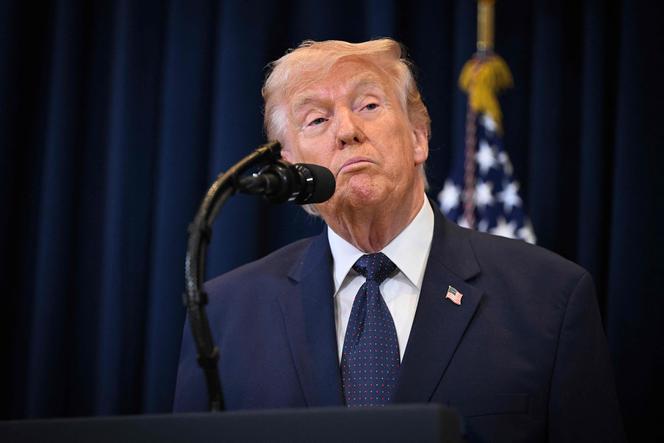
Donald Trump has said the ongoing conflict involving the United States, Israel, and Iran could come to an end “very soon,” raising hopes that the rapidly escalating crisis in the Middle East might soon de-escalate.
Speaking to reporters, Trump suggested that military operations against Iran have already achieved significant results, weakening the country’s ability to launch further attacks. However, he did not provide a specific timeline for when the war would officially conclude.
Trump Signals Possible End to Conflict
During the briefing, Trump expressed optimism about the progress of the campaign. When asked about how long the conflict might continue, he responded that it could end “soon, very soon,” though he acknowledged that military actions were still ongoing.
According to Trump, joint operations carried out by the United States and Israel have already destroyed a large number of Iranian missile systems, drone facilities, and strategic military installations. These strikes, he said, were aimed at reducing Iran’s capacity to threaten regional security.
Despite his optimistic remarks, Trump also noted that the conflict is not expected to end immediately, suggesting that additional military objectives may still need to be completed.
Ongoing Military Operations
The conflict escalated after coordinated U.S. and Israeli strikes targeted several Iranian military and nuclear-related sites across the country. The attacks marked one of the most significant military confrontations involving Iran in recent years.
In response, Iran launched missile and drone attacks toward Israel and U.S. military positions in the Middle East, raising fears of a wider regional war.
Military analysts say the situation remains extremely volatile, as both sides continue to monitor each other’s movements while preparing for possible further escalation.
Global Economic Impact
The war has also triggered ripple effects across the global economy. Energy markets reacted quickly to the conflict, with oil prices surging amid concerns that the fighting could disrupt shipping routes in the Strait of Hormuz, one of the world’s most important oil transit chokepoints.
Any disruption in this region could significantly affect global energy supplies, which explains why governments and financial markets around the world are closely watching developments.
Political Changes in Iran
The conflict comes at a moment of major political transition in Iran. Recently, cleric Mojtaba Khamenei was appointed as the country’s new Supreme Leader following the death of his father, Ali Khamenei.
The leadership change has added another layer of uncertainty to the geopolitical situation, as the new leader takes power during one of the most tense periods in Iran’s recent history.
What Happens Next?
While Trump has suggested the war could end soon, experts warn that conflicts in the region can shift quickly. Much will depend on whether Iran continues retaliatory strikes and whether diplomatic channels begin to open between the parties involved.
For now, global leaders are urging restraint while closely monitoring the situation, hoping that the conflict will indeed wind down before it expands into a broader regional war.
Watch video below :