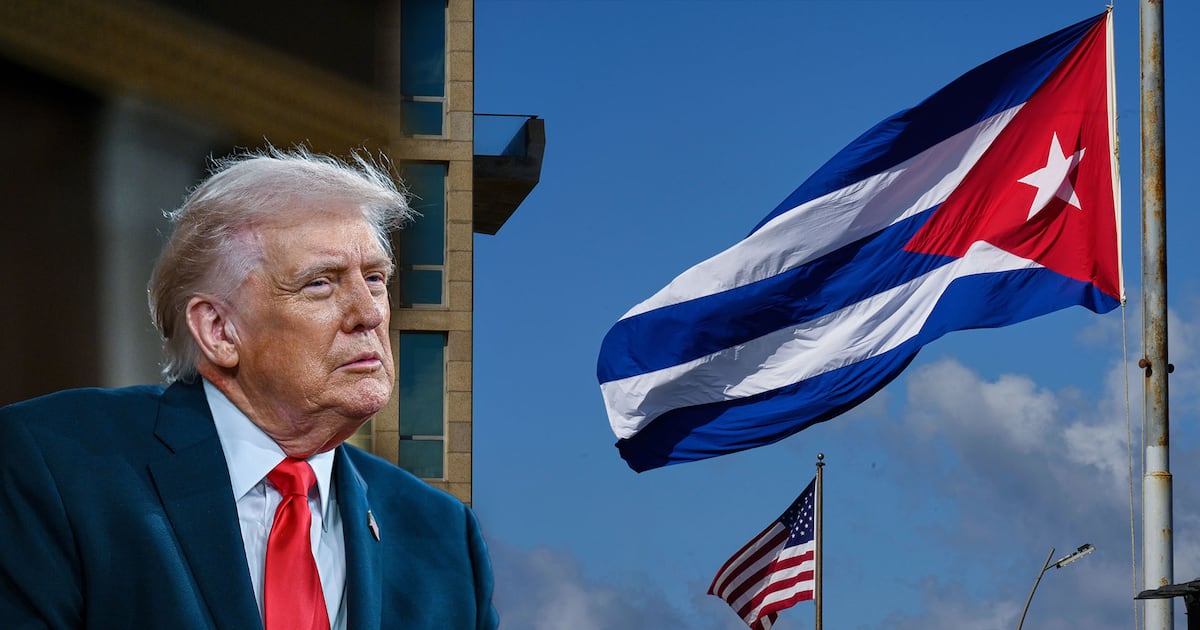
U.S. President Donald Trump declared that Cuba is “at the end of the line,” predicting that significant political and economic changes could soon reshape the Caribbean nation. His remarks signal a renewed focus on U.S. policy toward Cuba and suggest a tougher stance against the island’s communist government.
Speaking during recent comments on U.S. foreign policy in the United States, Trump argued that Cuba is facing increasing internal pressure due to economic difficulties and growing dissatisfaction among its population. According to the president, the situation on the island could lead to dramatic shifts in the near future.
“We’re going to see great change in Cuba,” Trump said, suggesting that the country’s current leadership may struggle to maintain control amid mounting economic and social challenges.
Growing Pressure on the Cuban Government
Cuba has been dealing with a prolonged economic crisis marked by shortages of food, fuel, and essential goods. Analysts say the country’s economic problems have been worsened by inflation, declining tourism revenue, and ongoing restrictions tied to decades-long tensions with the United States.
Trump’s comments appear to reflect the view within parts of the U.S. government that the Cuban political system is facing one of its most difficult periods in years.
The island has experienced periodic protests in recent years as citizens voiced frustration over living conditions and economic hardship. While the government has attempted reforms, critics argue that deeper structural changes may be required to stabilize the country’s economy.
A Tougher U.S. Policy
During his presidency, Trump pursued a hardline policy toward Cuba, tightening economic sanctions and reversing several diplomatic openings that had been introduced during the administration of Barack Obama.
Those measures included restrictions on travel, financial transactions, and certain forms of trade between the United States and Cuba. The Trump administration argued that stronger pressure was necessary to push the Cuban government toward political reform and improved human rights protections.
Supporters of the policy say the approach is designed to encourage democratic change on the island, while critics argue that sanctions can worsen economic hardships for ordinary Cuban citizens.
Regional and Global Implications
Any major shift in Cuba’s political or economic system could have broad consequences across the Caribbean and Latin America. The island has long played a strategic role in regional geopolitics, maintaining relationships with countries such as Russia, China, and Venezuela.
Analysts say Washington is closely monitoring developments in Havana, as potential changes could reshape alliances and economic partnerships throughout the region.
What Comes Next
Despite Trump’s prediction of major change, experts caution that political transitions in Cuba have historically been gradual. The country’s leadership structure and political institutions have proven resilient over decades of economic and diplomatic pressure.
Still, Trump’s comments highlight growing international attention on Cuba’s future. As economic challenges continue and geopolitical tensions evolve, the island nation may face increasing pressure to adapt in the years ahead.
Watch video below :