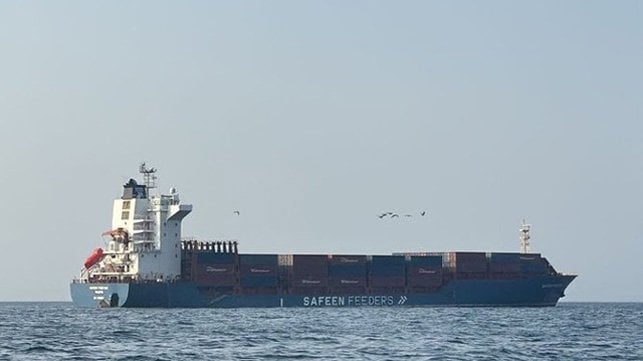
The United States has announced a plan to provide up to $20 billion in reinsurance support aimed at restoring oil shipments through the strategically vital Persian Gulf. The move comes as escalating tensions in the region have raised serious concerns about the safety of commercial vessels transporting crude oil.
Officials say the financial backing is intended to reassure global shipping companies and insurers that tankers traveling through the Persian Gulf and nearby waterways will remain financially protected in the event of attacks or major disruptions. The region handles a significant share of the world’s oil exports, making stability there critical for global energy markets.
Under the proposed plan, the U.S. government would act as a financial backstop for insurers that cover oil tankers operating in high-risk areas. By offering reinsurance guarantees, Washington hopes to reduce the financial risks that shipping firms and insurance providers currently face due to the heightened military conflict in the region.
Energy analysts say the initiative could play an important role in preventing supply disruptions. In recent weeks, several shipping companies have reportedly suspended or delayed voyages through key Gulf routes because of security concerns linked to ongoing regional conflicts and missile attacks.
The Persian Gulf remains one of the most important oil transit corridors in the world. Millions of barrels of crude oil pass through the region each day, with shipments traveling through the critical Strait of Hormuz before reaching global markets in Asia, Europe, and North America.
Any disruption to these shipping routes can have immediate effects on global energy prices and supply chains. Markets have already shown volatility as tensions between regional powers and international forces continue to escalate.
U.S. officials say the reinsurance program is designed to stabilize the situation by encouraging tanker operators to resume normal shipping activity. By guaranteeing coverage for potential losses, the government hopes to restore confidence among maritime companies that might otherwise avoid the region.
Industry experts note that insurance plays a crucial role in maritime trade. Without adequate coverage, ships carrying valuable cargo such as crude oil cannot legally or financially operate in high-risk areas. When insurers withdraw coverage due to security threats, global supply routes can quickly become disrupted.
The U.S. proposal therefore aims to fill the gap created by rising war-risk insurance premiums and uncertainty in the shipping industry. If implemented successfully, the program could help maintain a steady flow of oil from major producers in the Middle East to international markets.
Global energy markets are closely watching the development, as any prolonged disruption in Persian Gulf shipping could push oil prices significantly higher and strain already sensitive supply chains.
While the reinsurance initiative is primarily designed as an economic safeguard, it also reflects broader geopolitical concerns about maintaining secure energy routes in one of the world’s most strategically important regions. As tensions continue to evolve, ensuring safe passage for commercial vessels will remain a top priority for governments and the global energy industry.
Watch video below :