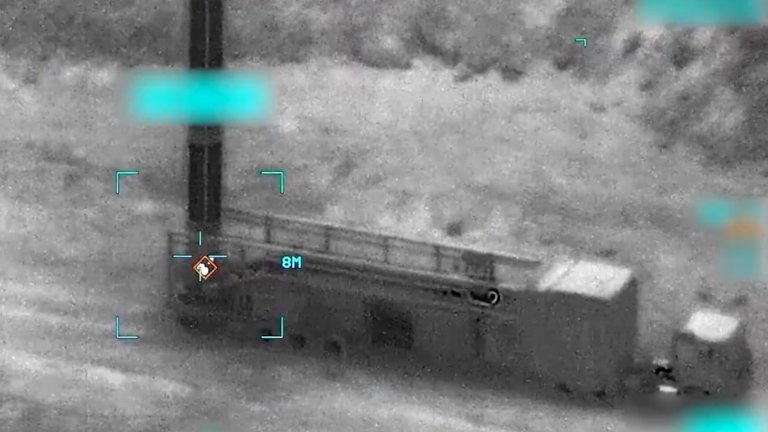
The United States and Israel have significantly intensified their coordinated military campaign against Iran, marking one of the most serious escalations in Middle East tensions in recent years. What began as targeted airstrikes has evolved into a broader, multi-layered offensive aimed at weakening Tehran’s military infrastructure and strategic capabilities.
Expanding Air and Missile Operations
In recent days, U.S. and Israeli forces have launched waves of precision airstrikes against key Iranian targets. These include missile launch facilities, air defense systems, naval bases, and command-and-control centers. Defense officials describe the campaign as carefully calibrated, focusing on degrading Iran’s ability to project power both domestically and across the region.
Advanced fighter jets, long-range missiles, and naval strike groups have been deployed as part of the joint operation. Military analysts note that the scale and coordination of these strikes reflect deep intelligence sharing and operational planning between Washington and Jerusalem.
Strategic Objectives Behind the Escalation
Both governments have emphasized that the primary objective is to prevent Iran from expanding its missile capabilities and advancing its nuclear program. Israeli officials have repeatedly warned that they will not allow Tehran to reach a threshold nuclear weapons capability, while U.S. leaders frame the campaign as necessary to protect American personnel and regional allies.
The escalation also serves as a deterrent signal. By increasing the frequency and intensity of strikes, the United States and Israel aim to demonstrate military superiority and discourage further retaliation from Iranian forces or allied militias.
Iran’s Response and Regional Ripple Effects
Iran has responded with missile and drone attacks targeting U.S. bases and allied positions in the Middle East. Explosions have been reported in several regional hotspots, raising fears that the conflict could spill beyond direct U.S.-Iran engagement.
Tehran has condemned the strikes as acts of aggression and vowed to defend its sovereignty. Iranian leaders have also hinted at the possibility of disrupting critical shipping routes, including the strategically vital Strait of Hormuz, a move that could have serious implications for global energy markets.
Meanwhile, Iran-aligned groups across the region have increased hostile activity, further complicating the security landscape. This has prompted neighboring countries to heighten military readiness and strengthen defensive measures.
Growing Concerns of Wider War
International observers warn that the intensifying strikes risk triggering a broader regional conflict. While both Washington and Jerusalem maintain that the campaign is limited and strategic, the rapid cycle of attack and retaliation increases the chance of miscalculation.
Energy markets have already shown signs of volatility, with oil prices fluctuating amid uncertainty over supply routes. Diplomatic efforts are underway in several capitals to encourage de-escalation, though meaningful negotiations remain uncertain.
What Comes Next?
The joint U.S.-Israel offensive signals a decisive shift from deterrence to direct military confrontation. Whether this escalation achieves its intended objectives or draws the region into prolonged instability remains to be seen.
For now, the expansion of strikes underscores a clear message: the United States and Israel are prepared to intensify pressure on Iran, even as the geopolitical stakes continue to rise.
Watch video below :