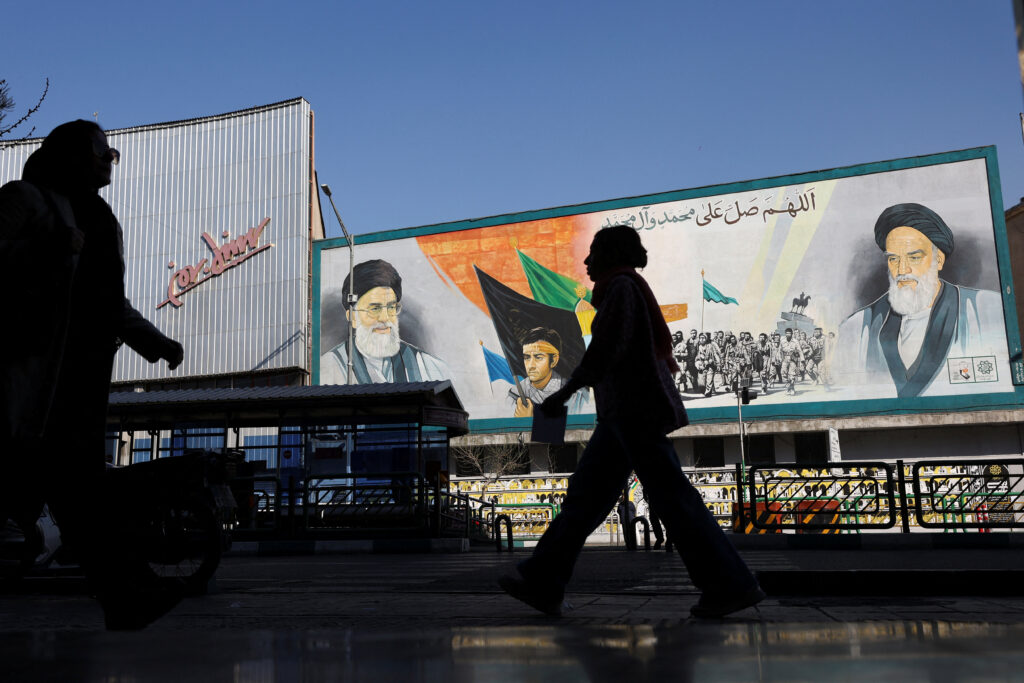
The death of Ayatollah Ali Khamenei has placed Iran at one of the most critical turning points in its modern history. As the Islamic Republic confronts a leadership vacuum, global attention is focused on one pressing question: Is Iran heading toward regime change — and if so, what form could it take?
While dramatic political transformation often dominates headlines, the reality is far more complex. Iran’s political system is deeply institutionalized, with power distributed across clerical bodies, elected offices, and powerful security forces. Below are four realistic scenarios shaping discussions about Iran’s political transition and potential regime change.
1. Managed Succession Within the Islamic Republic
The most immediate and structurally supported outcome is controlled continuity. Under Iran’s constitution, the Assembly of Experts holds the authority to appoint a new Supreme Leader. This 88-member clerical body is responsible for safeguarding the ideological framework of the Islamic Republic.
In this scenario, elite factions — including conservative clerics and political insiders — would coordinate to select a successor aligned with the existing system. The goal would be to preserve regime stability, prevent internal fragmentation, and signal continuity to both domestic and international audiences.
For global markets and regional governments, this would represent the least disruptive path, maintaining Iran’s current governance model while transitioning leadership behind closed doors.
2. Expansion of Military and Security Influence
Another significant possibility involves the growing dominance of the Islamic Revolutionary Guard Corps (IRGC). Already one of the most powerful institutions in Iran, the IRGC controls major economic assets and wields enormous influence over defense and intelligence policy.
In a period of instability, security forces could consolidate authority further, effectively shifting Iran toward a more security-centered governance structure. This would not necessarily dismantle the Islamic Republic but could reduce the traditional clerical establishment’s influence in favor of a centralized, military-backed leadership model.
Such a transition would likely emphasize national security, internal control, and regional power projection.
3. Grassroots Protests and Popular Pressure
Iran has experienced waves of public protests in recent years, fueled by economic hardship, social restrictions, and political dissatisfaction. Some analysts argue that Khamenei’s death could reignite or amplify grassroots activism.
However, while public unrest could pressure the political elite, large-scale regime change driven solely by protests faces major obstacles. Iran’s security infrastructure remains highly organized and capable of managing dissent. Without a unified opposition movement or clear alternative leadership, a revolutionary transformation remains uncertain.
Still, sustained domestic pressure could push the system toward limited reforms or gradual structural adjustments.
4. Fragmentation or Systemic Collapse
The most dramatic — though least likely in the short term — scenario is systemic fragmentation. This would involve competing factions within Iran’s political and military establishment vying for authority, potentially weakening central control.
Such instability could emerge from prolonged conflict, economic crisis, or internal power struggles. However, Iran’s institutions were designed specifically to avoid this type of collapse, making sudden disintegration improbable without multiple converging crises.
What Comes Next for Iran?
Despite speculation about sweeping regime change, the most probable near-term outcome is structured continuity within the Islamic Republic framework. The transition process will be shaped by clerical authorities, political elites, and the IRGC’s strategic calculations.
For the international community, the stakes are high. Iran’s future leadership will influence nuclear policy, regional conflicts, energy markets, and diplomatic relations for years to come.
As Tehran navigates this pivotal moment, the world watches closely — aware that while dramatic upheaval is possible, calculated continuity may ultimately define Iran’s next chapter.
Watch video below :