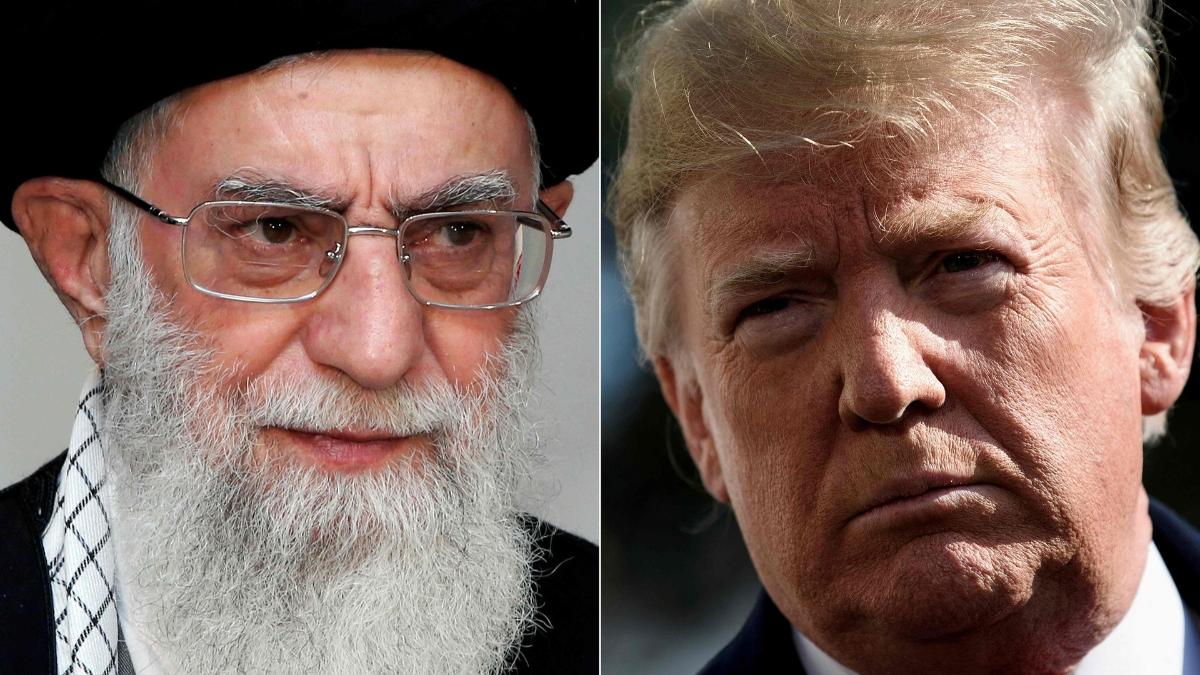
Following the reported killing of Ayatollah Ali Khamenei, U.S. President Donald Trump delivered a strong and direct message aimed at Iran’s military leadership — particularly the powerful Islamic Revolutionary Guard Corps (IRGC).
In a public statement shared shortly after confirmation of Khamenei’s death, Trump framed the moment as a turning point for Iran and the broader Middle East. He described the development as an opportunity for change within the Islamic Republic and called on Iranian security forces to reconsider their allegiance moving forward.
Direct Message to the IRGC
Trump’s message focused heavily on Iran’s military and security apparatus, which plays a central role in maintaining the country’s political system. He urged members of the IRGC, along with other armed forces and police units, to avoid further escalation.
According to his remarks:
-
Iranian forces who choose not to continue hostilities would be treated differently from those who remain engaged in conflict.
-
He suggested that individuals who distance themselves from aggressive actions could avoid consequences tied to ongoing military operations.
-
At the same time, he warned that continued resistance would trigger sustained military pressure.
The tone of the statement combined warning with conditional outreach, signaling that Washington views this moment as both a security crisis and a potential political reset.
Military Pressure and Strategic Messaging
The comments came amid heightened tensions following joint U.S.–Israeli military operations targeting Iranian assets. While Trump emphasized strength and deterrence, he also indicated that the objective was long-term regional stability rather than indefinite warfare.
The IRGC remains one of the most influential institutions in Iran, controlling significant military, economic, and intelligence resources. Any shift in its stance could dramatically affect the country’s internal power balance and regional posture.
Diplomatic Door Left Open
Despite the firm rhetoric, Trump also signaled openness to dialogue with future Iranian leadership structures. He suggested that diplomacy could become easier under new circumstances, depending on how Tehran’s next leaders approach negotiations.
This dual-track strategy — pressure combined with conditional diplomacy — reflects a broader effort to influence Iran’s post-Khamenei transition period.
Regional and Global Impact
Khamenei’s death has triggered uncertainty inside Iran and concern across the Middle East. The country has entered a sensitive transitional phase as its governing institutions work to maintain stability. International observers are closely monitoring how Iran’s leadership structure evolves and whether the IRGC consolidates further authority or supports a broader political recalibration.
Financial markets, regional governments, and global powers are all weighing the implications. Any internal fragmentation or intensified confrontation could have ripple effects across energy markets, security alliances, and diplomatic channels.
Conclusion
President Trump’s message to Iran’s Revolutionary Guard following the death of Ayatollah Ali Khamenei underscores the gravity of the moment. By combining warning with an offer of de-escalation, Washington is attempting to shape the next chapter of Iran’s leadership transition.
Whether the IRGC responds with defiance or restraint could determine not only Iran’s domestic trajectory but also the future stability of the wider Middle East.
Watch video below :