

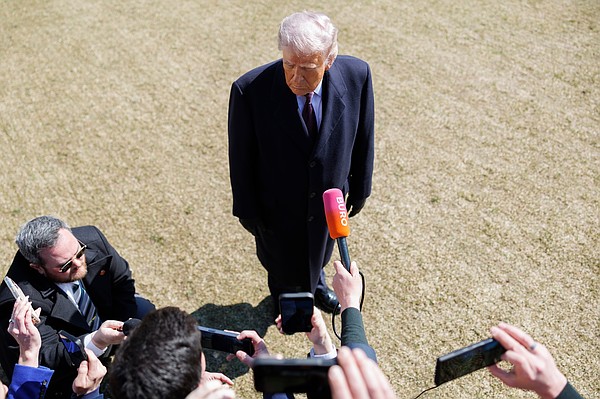
President Donald Trump has sparked global attention after suggesting the possibility of a “friendly takeover” of Cuba following recent discussions with officials in Havana. The remarks have ignited debate across diplomatic circles, raising questions about the future of U.S.–Cuba relations.
Speaking to reporters after talks aimed at easing longstanding tensions between Washington and Havana, Trump described what he characterized as a new opportunity for cooperation. He indicated that closer economic and political integration could benefit both nations, using the phrase “friendly takeover” to describe what he framed as a mutually advantageous alignment.
While the president did not outline specific policy proposals, his comments were widely interpreted as signaling interest in expanding U.S. influence on the island through trade, investment, and strategic partnership. Analysts noted that any such move would require significant diplomatic negotiations and likely congressional involvement.
Cuba and the United States have maintained a complex and often strained relationship for more than six decades. The trade embargo, first imposed in the early 1960s, remains a central issue in bilateral discussions. Although there have been periods of diplomatic thaw, including the restoration of formal relations in 2015, political tensions have persisted.
Reactions to Trump’s statement were swift. Supporters argued that stronger engagement with Cuba could open markets for American businesses and improve living standards for Cuban citizens. Critics, however, warned that describing future relations as a “takeover” risks inflaming nationalist sentiment and undermining sovereignty concerns.
International observers emphasized that any shift in U.S.–Cuba policy would carry significant geopolitical implications. Cuba’s strategic location in the Caribbean has long made it a focal point in hemispheric politics. Enhanced U.S. involvement could reshape regional alliances and economic dynamics.
Officials in Havana have not publicly endorsed the characterization of a “friendly takeover,” but diplomatic sources suggest that ongoing talks are focused on economic cooperation, migration policy, and regional security issues. Both sides appear to be exploring areas of practical collaboration despite ideological differences.
Foreign policy experts caution that rhetoric matters in sensitive negotiations. Even informal language can influence public perception and diplomatic tone. Whether Trump’s remarks reflect a formal strategic initiative or simply an expression of broader engagement ambitions remains unclear.
As discussions continue, the trajectory of U.S.–Cuba relations will depend on concrete policy steps rather than headlines alone. For now, Trump’s suggestion of a “friendly takeover” has injected fresh energy—and controversy—into one of the Western Hemisphere’s most enduring diplomatic relationships.
Watch video below :