

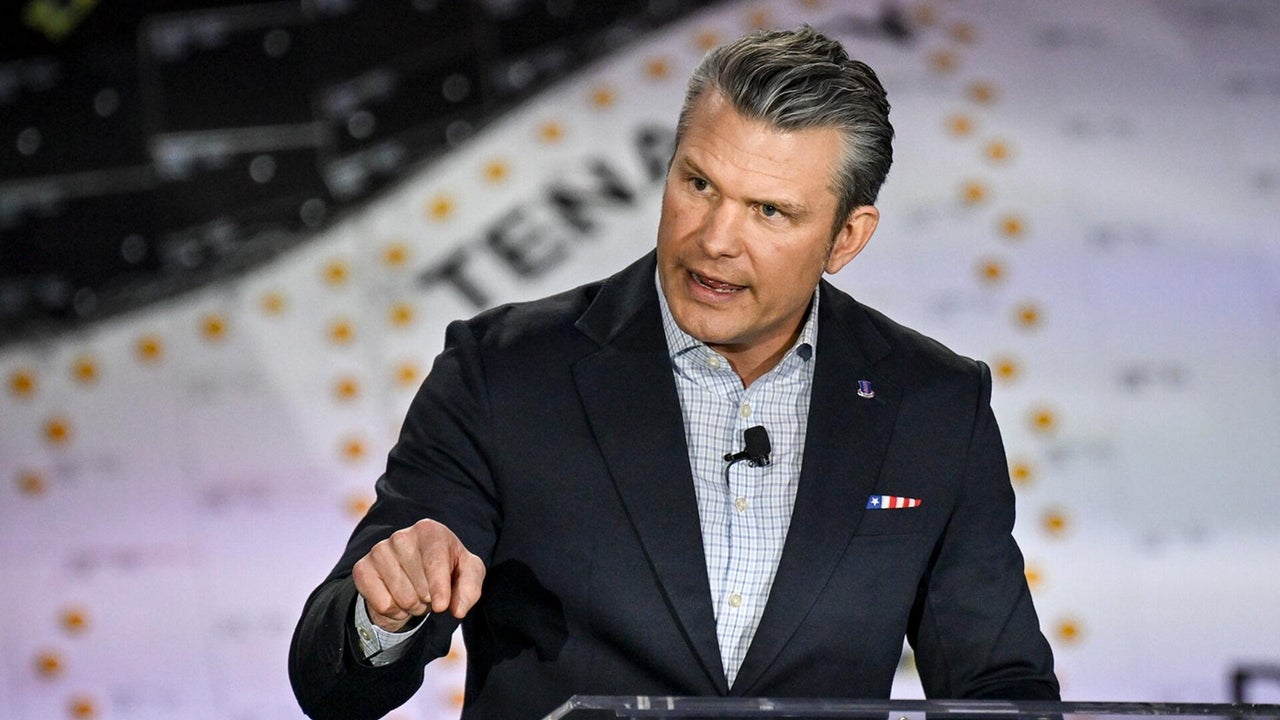
U.S. Defense Secretary Pete Hegseth has reportedly demanded full military access to an advanced artificial intelligence system developed by Anthropic by the end of the week, intensifying discussions about the Pentagon’s expanding reliance on AI technology for national security.
According to officials familiar with the matter, the request centers on gaining broader operational integration of Anthropic’s AI model into defense planning, intelligence analysis, and battlefield decision-support systems. The move reflects growing urgency within the Department of Defense to secure cutting-edge AI capabilities amid intensifying global technological competition.
Artificial intelligence has become a cornerstone of modern defense strategy. From predictive analytics and logistics optimization to cyber defense and autonomous systems, AI tools are increasingly shaping how militaries operate. By seeking full access to Anthropic’s AI model, the Pentagon appears to be signaling its intention to accelerate deployment timelines and deepen collaboration with private-sector AI developers.
Anthropic, known for its focus on AI safety and alignment, has positioned itself as a leader in developing large language models designed to balance advanced capability with responsible deployment. However, expanded military use of AI systems often raises complex ethical and regulatory considerations. Questions surrounding oversight, operational control, and safeguards are likely to be central to ongoing discussions between defense officials and company executives.
National security analysts note that access to advanced AI models could significantly enhance intelligence processing speed, improve strategic simulations, and strengthen real-time threat assessments. At the same time, experts caution that military integration of commercial AI systems requires rigorous testing to prevent unintended consequences, including model bias, misinformation risks, or vulnerabilities to adversarial attacks.
The reported demand comes amid heightened global competition in artificial intelligence development. Major powers are racing to secure dominance in AI-driven defense systems, viewing the technology as a decisive factor in future geopolitical stability. By pressing for immediate access, Hegseth is underscoring the urgency of maintaining technological parity — or superiority — in an evolving security landscape.
Neither the Department of Defense nor Anthropic has publicly detailed the exact scope of the requested access. It remains unclear whether the arrangement would involve customized military configurations, classified data training environments, or direct integration with secure defense networks.
The development highlights a broader trend: the deepening partnership between Silicon Valley and the Pentagon. As AI innovation continues to outpace regulatory frameworks, policymakers face mounting pressure to balance rapid deployment with ethical safeguards and international norms.
If finalized, expanded military access to Anthropic’s AI model could mark a significant milestone in the U.S. government’s AI strategy, shaping how artificial intelligence supports defense operations in the years ahead.
Watch video below :