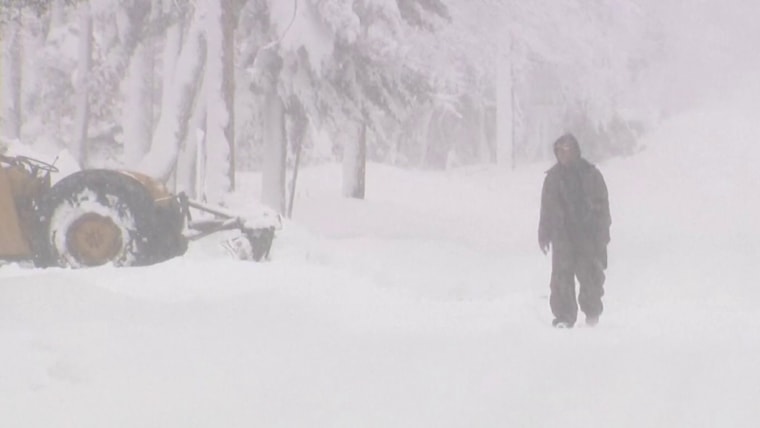
Millions of Americans across the East Coast of the United States are digging out after a record-breaking blizzard unleashed historic snowfall, paralyzing major cities and disrupting transportation corridors from the Mid-Atlantic to New England. The powerful winter storm brought whiteout conditions, hurricane-force wind gusts, and snowfall totals that shattered previous records in several areas.
Meteorologists described the system as one of the most intense blizzards in decades, fueled by a rapidly intensifying coastal low-pressure system. Snowfall rates exceeded two inches per hour at the height of the storm, while sustained winds created towering snowdrifts and near-zero visibility. Governors in multiple states declared emergencies as conditions deteriorated rapidly.
Major metropolitan areas including New York City, Boston, and Philadelphia experienced widespread shutdowns. Public schools closed, government offices suspended operations, and thousands of flights were canceled at regional airports. Commuter rail systems and interstate highways faced temporary closures as snowplows struggled to keep pace with relentless accumulation.
In some coastal communities, snowfall totals surpassed two feet, setting new daily and seasonal records. Coastal flooding compounded the crisis in low-lying areas as strong winds pushed seawater inland. Utility companies reported scattered power outages affecting tens of thousands of residents, though crews worked around the clock to restore service.
The economic impact of the blizzard is expected to be significant. Retail businesses shuttered during peak hours, delivery services halted operations, and supply chain disruptions extended beyond the immediate storm zone. Travel delays rippled nationwide as airlines attempted to reposition aircraft and crews once conditions improved.
Emergency management officials urged residents to remain off roads until clearing operations were complete. Authorities also warned of secondary hazards, including icy conditions, falling tree limbs, and roof collapses caused by heavy snow loads. Hospitals and first responders prepared for weather-related injuries, while warming centers opened in several municipalities to assist vulnerable populations.
Despite the disruption, many communities demonstrated resilience. Volunteers assisted elderly neighbors with snow removal, local businesses distributed hot meals, and city workers operated continuously to reopen critical infrastructure. Snow removal efforts intensified as skies cleared, with heavy equipment deployed to residential neighborhoods and commercial districts.
Weather experts say the storm’s intensity was amplified by a rare alignment of atmospheric conditions, including unusually warm ocean waters interacting with Arctic air masses. Climate analysts continue to study whether such extreme winter weather events are becoming more frequent or simply more variable.
As the East Coast transitions from emergency response to recovery, officials are assessing damage and calculating the full cost of the storm. While temperatures are expected to gradually rise, forecasters caution that lingering icy patches could persist for days.
For millions across the region, the record-breaking blizzard will be remembered not only for its snowfall totals but for the scale of disruption it brought. Yet as roads reopen and daily life resumes, the focus now turns to cleanup, recovery, and preparation for whatever the remainder of winter may deliver.
Watch video below :