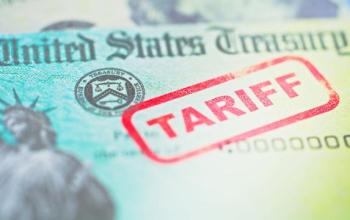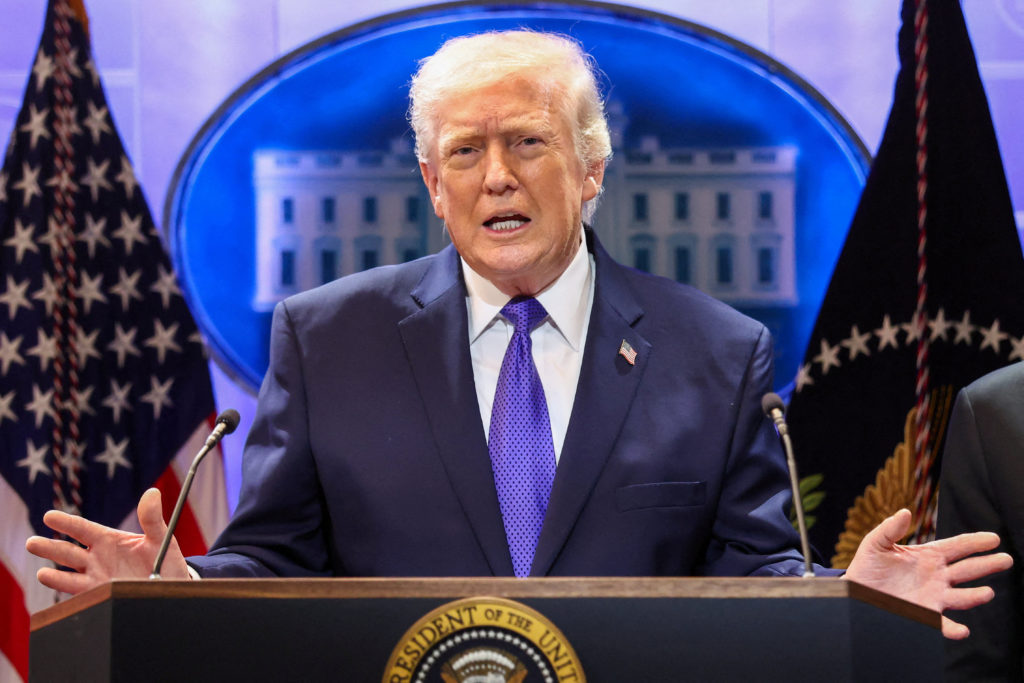
President Donald Trump announced plans to increase tariffs to 15% shortly after the Supreme Court of the United States ruled against him in a major legal challenge. The decision marks a significant escalation in ongoing trade policy disputes and signals renewed economic pressure on key trading partners.
Speaking to supporters, Trump framed the tariff increase as a decisive move to protect American industries and restore what he described as “fair trade balance.” He criticized the court’s ruling but emphasized that his administration retains authority to adjust trade policy within existing executive powers.
The Supreme Court’s decision reportedly limited aspects of Trump’s previous trade measures, prompting immediate political and economic reactions. Legal analysts note that while the ruling curtails certain executive actions, it does not eliminate the president’s ability to impose tariffs under specific statutory frameworks.
The proposed 15% tariff would apply broadly across selected imported goods, though officials have not yet released a detailed list of affected sectors. Economists warn that such an increase could have ripple effects across supply chains, potentially raising consumer prices and impacting global markets.
Financial markets reacted cautiously to the announcement, with investors weighing the potential consequences for international trade relationships. Business leaders expressed concern over renewed uncertainty, particularly for industries reliant on imported raw materials and manufactured components.
Trump defended the move as part of a broader economic strategy aimed at boosting domestic production and strengthening American manufacturing. Supporters argue that higher tariffs could incentivize companies to relocate operations to the United States, while critics caution that retaliatory measures from trade partners may offset potential gains.
Trade policy has remained a central pillar of Trump’s economic agenda, often characterized by aggressive tariff strategies intended to renegotiate trade agreements and reduce trade deficits. The latest announcement reinforces that approach, even in the face of judicial opposition.
Legal experts suggest the administration may continue exploring alternative pathways to maintain its trade objectives while complying with the Supreme Court’s ruling. The situation underscores the ongoing tension between executive authority and judicial oversight in shaping U.S. economic policy.
As details of the tariff plan emerge, policymakers, businesses, and international partners will closely monitor the impact. The decision to raise tariffs to 15% could reshape trade dynamics and intensify debate over the long-term direction of U.S. economic strategy.
Watch video below :