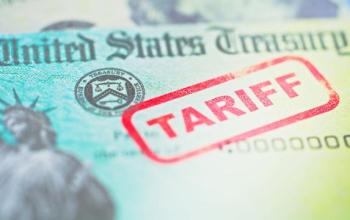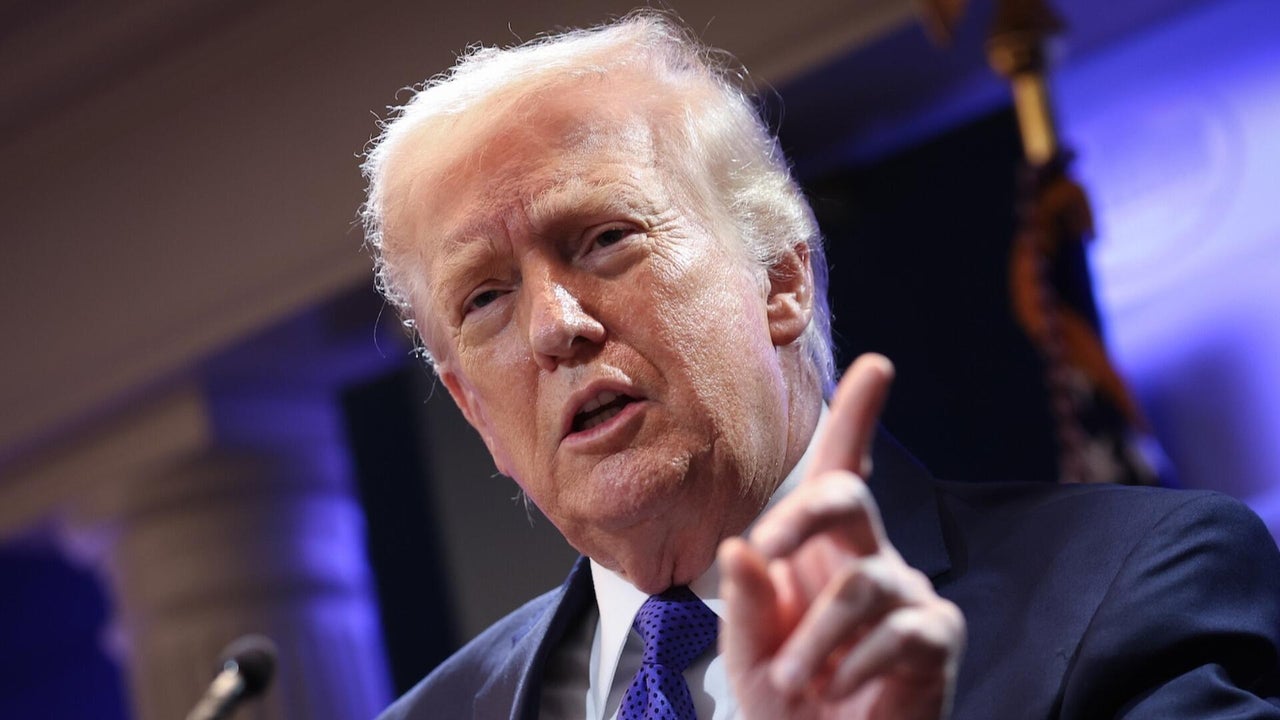
President Donald Trump has announced a sharp escalation in U.S. trade policy, raising new global tariffs to 15% after the U.S. Supreme Court struck down his previous sweeping tariff authority. The move marks a dramatic confrontation between the executive branch and the judiciary, reshaping the legal boundaries of American trade policy and intensifying uncertainty in global markets.
In a closely watched decision, the Supreme Court of the United States ruled 6–3 that the administration exceeded its authority when imposing broad tariffs under emergency economic powers. The majority opinion emphasized that the Constitution grants Congress — not the president — the power to levy taxes and tariffs. The ruling effectively invalidated key elements of Trump’s expansive global tariff framework.
Within hours of the decision, Trump responded by announcing a revised trade strategy. Leveraging Section 122 of the Trade Act of 1974, the administration confirmed it would raise a temporary global tariff rate from 10% to 15%, the maximum allowed under that provision. Section 122 permits the president to impose short-term import surcharges for up to 150 days to address balance-of-payments concerns or currency imbalances.
According to Trump, the tariff increase is “fully lawful” and necessary to defend American industries from what he describes as unfair foreign competition. However, trade experts note that Section 122 has rarely been used at this scale, and its temporary nature means Congress would need to act if the tariffs are to remain in place beyond the statutory deadline.
The decision represents a significant constitutional check on executive authority. Legal analysts suggest the ruling may redefine how future administrations approach trade policy, particularly when invoking emergency statutes. By reinforcing congressional control over tariff policy, the court has clarified the limits of unilateral executive trade action.
Financial markets reacted cautiously to the announcement. Economists warn that higher global tariffs could increase costs for U.S. businesses and consumers, particularly in sectors reliant on imported goods. Supply chains, already strained by geopolitical tensions, may face additional disruption. At the same time, some domestic manufacturers have welcomed the move, arguing that increased tariffs could strengthen U.S. production and competitiveness.
Internationally, trading partners are closely monitoring developments. Several governments have signaled that retaliatory measures remain possible, raising the prospect of renewed trade disputes. The escalation adds complexity to an already fragile global economic environment, with inflationary pressures and currency volatility still affecting major economies.
Politically, the ruling and subsequent tariff hike deepen divisions within Washington. Some lawmakers support Trump’s aggressive trade stance, while others argue that durable trade reform must pass through Congress. The coming weeks are likely to determine whether bipartisan negotiations emerge or whether further legal challenges follow.
As the 15% global tariff takes effect, businesses, investors, and policymakers face a rapidly evolving landscape. The intersection of constitutional law, trade policy, and economic strategy has rarely been more visible — or more consequential — for the future of U.S. global trade leadership.
Watch video below :