In a major shift that could reshape the future of U.S. environmental policy, the Trump administration has officially rescinded a landmark scientific finding that declared greenhouse gases harmful to human health and welfare. The decision has sparked immediate backlash from climate scientists, public health experts, and environmental advocates who warn it may weaken America’s ability to regulate climate-warming pollution.
The action targets the U.S. Environmental Protection Agency’s 2009 “endangerment finding,” a critical scientific and legal determination made during the Obama administration. That finding concluded that greenhouse gases such as carbon dioxide, methane, and nitrous oxide contribute significantly to climate change and pose serious risks to public health. For more than a decade, it has served as the foundation for federal climate regulations, including limits on emissions from vehicles, power plants, and industrial facilities.
By rescinding the endangerment finding, the Trump administration has effectively removed the EPA’s strongest scientific justification for regulating greenhouse gas emissions under the Clean Air Act. Supporters of the decision argue that previous climate rules placed heavy financial burdens on businesses and consumers, driving up costs in industries such as transportation, manufacturing, and energy production.
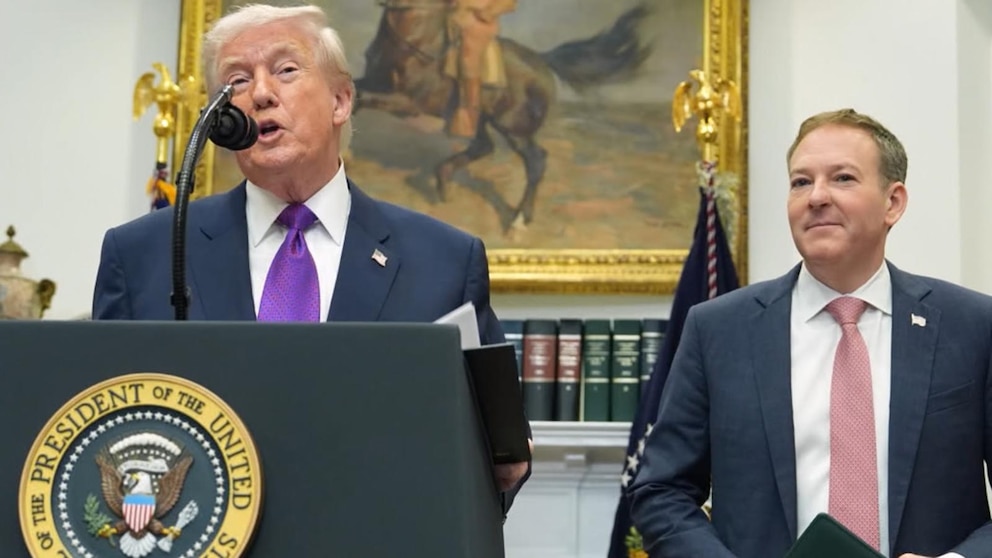
President Donald Trump reportedly described the move as a historic deregulatory action, while EPA leadership framed it as a necessary step to restore economic freedom and reduce federal overreach. Officials claim the rollback could lower vehicle costs, ease restrictions on domestic energy production, and stimulate economic growth.
However, critics argue that the decision could have severe long-term consequences. Environmental groups say the endangerment finding is not simply a political statement but a science-based conclusion supported by decades of research. They warn that removing it could slow or dismantle federal efforts to reduce carbon emissions, potentially leading to higher pollution levels and increased climate-related disasters.
Experts also stress that scientific evidence of climate change has only strengthened since 2009. Rising global temperatures, worsening heatwaves, wildfires, hurricanes, and air quality issues have intensified concerns about the impact of greenhouse gas emissions. Public health researchers have linked climate change to increased respiratory illness, heat-related deaths, and the spread of infectious diseases.
The rollback is expected to face strong legal challenges from states, environmental organizations, and possibly former EPA officials. Many argue the administration will struggle to justify overturning a conclusion that has been reinforced by extensive scientific data and international climate research.
The move signals a broader shift in the federal government’s approach to climate regulation and could impact emissions standards for cars and trucks, industrial pollution rules, and the country’s global role in combating climate change.
As the political and legal battle unfolds, the decision is already being described as one of the most significant environmental policy reversals in modern U.S. history.
Watch video below :