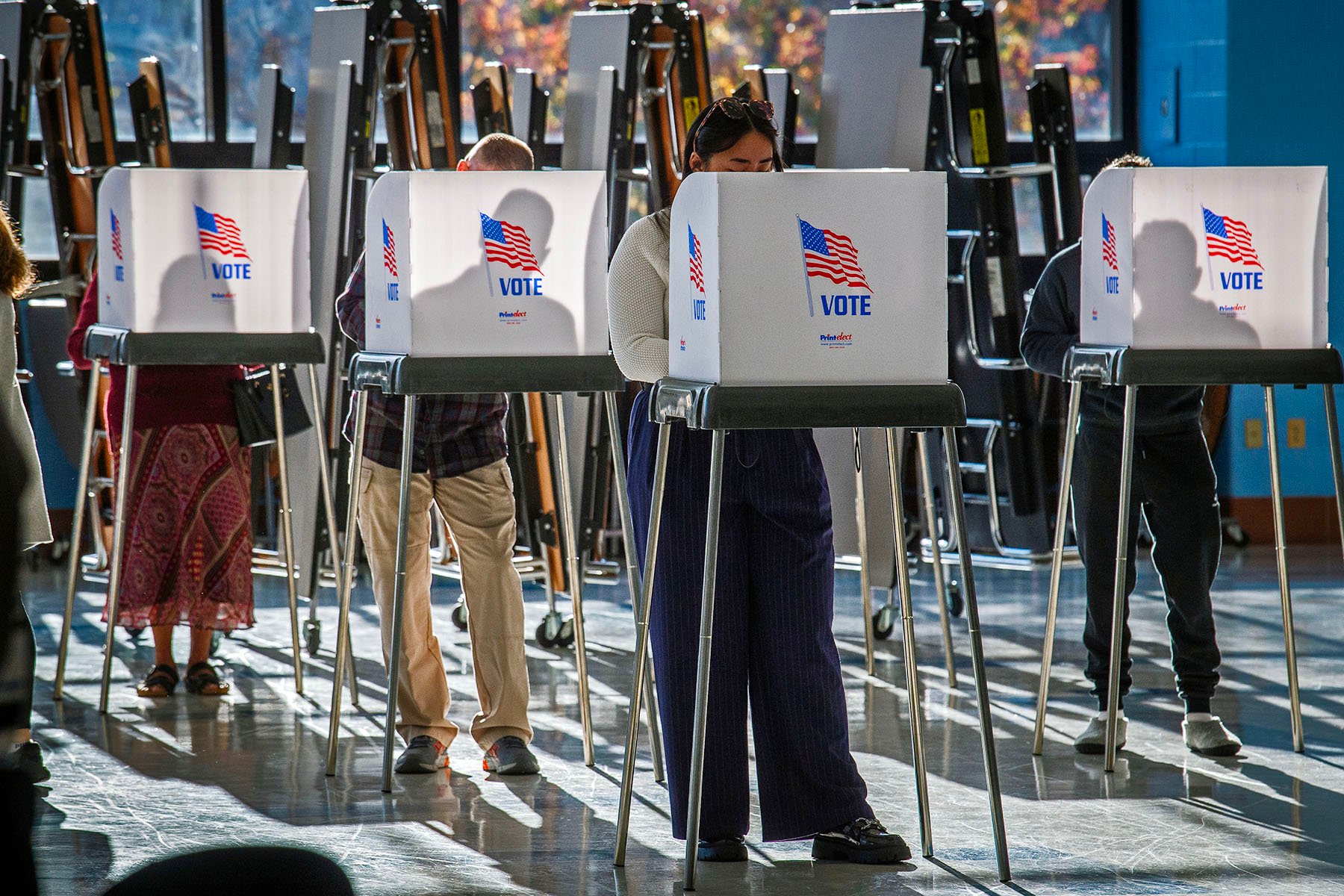
The U.S. House of Representatives has passed a highly controversial bill that voting rights advocates warn could create serious barriers for millions of Americans attempting to cast ballots in future elections. The legislation, which supporters describe as a necessary step to protect election integrity, has quickly sparked a national debate over whether it strengthens democracy or restricts it.
According to lawmakers backing the measure, the bill is designed to tighten election procedures and require stricter voter verification standards. Supporters argue that stronger safeguards are needed to prevent fraud, restore public trust, and ensure that only eligible citizens participate in federal elections. They claim the bill introduces clear requirements that make the voting process more secure and transparent.
However, critics say the bill could have sweeping consequences, particularly for groups that already face obstacles to voting. Voting rights organizations warn that the proposal may disproportionately impact low-income voters, elderly citizens, students, minorities, and people living in rural areas. Opponents argue that additional documentation requirements could make it significantly harder for individuals without easy access to government-issued identification or official records to register and vote.
Civil rights advocates have described the legislation as a modern form of voter suppression, pointing out that millions of Americans do not have immediate access to the types of paperwork often demanded in strict voting laws. Some estimates suggest that individuals who have changed their names, relocated frequently, or lack birth certificates and passports could face delays or denial when attempting to register.
Democratic lawmakers strongly criticized the bill during House debate, calling it a political strategy designed to reshape the electorate rather than improve election security. They argue that widespread voter fraud has not been proven at a level that justifies major nationwide restrictions. Many also raised concerns that the bill could create confusion at polling sites, overwhelm election officials, and increase the risk of eligible voters being turned away.
Republican leaders, meanwhile, defended the legislation as common-sense reform, emphasizing that election security should remain a national priority. They claim that voters should be able to verify citizenship and identity without difficulty, and that the bill protects the legitimacy of the democratic process.
The bill now faces an uncertain future as it moves to the Senate, where it is expected to meet significant resistance. Even if it passes, legal experts predict that the measure could trigger court challenges, with opponents arguing it violates constitutional voting protections and federal election standards.
The House vote comes at a time when voting rights and election laws remain among the most politically divisive issues in the United States. As the nation heads toward another major election cycle, lawmakers on both sides are intensifying efforts to shape how Americans vote — and who is able to do so.
For millions of Americans, the outcome of this legislation could determine whether voting becomes easier, harder, or far more complicated than ever before.
Watch video below :