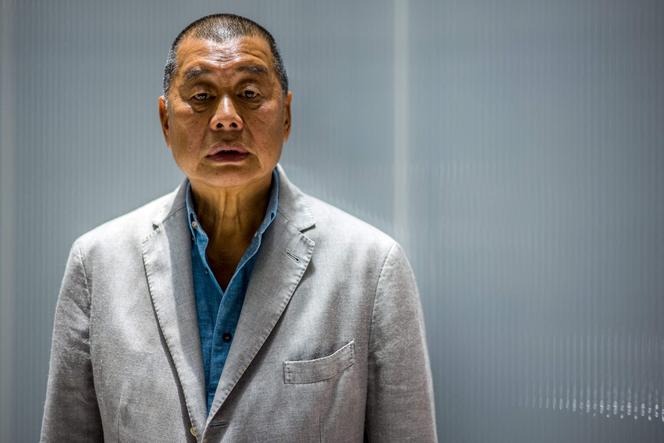
An elderly Chinese businessman has been sentenced to 20 years in prison, a punishment his supporters are calling a “death sentence” due to his advanced age and declining health.
The case has sparked intense public attention after the harsh sentencing was announced, with critics arguing that the lengthy prison term effectively ensures the businessman may never regain his freedom. Observers say the ruling reflects the growing severity of China’s legal crackdowns on high-profile figures in business and finance.
According to reports, the businessman—whose identity has drawn widespread discussion online—was convicted on charges tied to financial misconduct. Authorities reportedly accused him of involvement in illegal business dealings, including violations related to corporate operations and economic regulations.
While Chinese prosecutors have framed the sentencing as a necessary step to protect economic stability and uphold the rule of law, critics claim the punishment is excessive and politically motivated. Some analysts argue that the sentence may be intended as a warning to other wealthy entrepreneurs amid a broader campaign to tighten control over private enterprise.
The businessman’s legal team and supporters reportedly insisted that his actions did not warrant such a severe penalty, especially considering his age. They described the verdict as unusually harsh and warned that the man’s physical condition may not withstand a two-decade prison term.
Human rights advocates have also raised concerns, saying long sentences for elderly defendants can be inhumane, particularly when medical care in detention is questioned. Social media reactions have been mixed, with some calling for compassion and leniency, while others argue that wealth should not provide protection from prosecution.
In recent years, China has increasingly targeted major business figures as part of anti-corruption campaigns and financial reforms. While officials argue these crackdowns are designed to clean up the economy and eliminate illegal practices, international observers often question whether some prosecutions are driven by political pressure or used to reshape the country’s economic power structure.
The 20-year sentence now places the businessman among a growing list of high-profile Chinese corporate figures facing long prison terms, reinforcing fears within the private sector about the unpredictable risks of doing business under stricter government oversight.
For many, the case highlights the fragile line between business success and legal vulnerability in modern China. Analysts warn that such high-profile punishments could discourage investment and create anxiety among entrepreneurs, even as Beijing continues to insist that the country remains open for business.
As the businessman begins his lengthy prison term, calls for appeals and humanitarian review are expected to intensify. Whether the sentence will be reduced remains unclear, but the controversy surrounding the case is already fueling broader debate about justice, punishment, and power in China.
Watch video below :