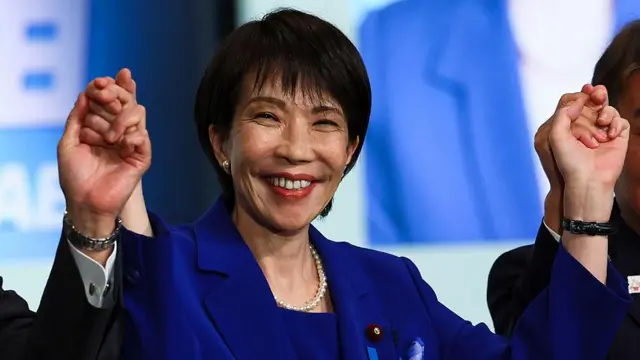
Japan has officially entered a new era of political history after Sanae Takaichi secured a decisive victory in the country’s latest national election, becoming Japan’s first-ever female Prime Minister. The historic result has drawn global attention, marking a major turning point in a nation long dominated by male leadership at the highest levels of government.
Takaichi’s triumph was not a narrow win — it was a landslide election victory that strengthened her grip on power and gave her coalition a commanding advantage in Japan’s parliament. Her ruling Liberal Democratic Party (LDP), supported by key allies, gained enough seats to secure a strong majority in the Lower House, ensuring that her administration can push forward major reforms with fewer obstacles from opposition parties.
For Japan, this election is more than politics — it is a symbolic breakthrough. For decades, critics have pointed out the country’s slow progress on gender equality, especially within government leadership. The election of Japan’s first female leader represents a powerful shift in social expectations and signals that the political landscape is beginning to evolve.
However, Takaichi’s rise is also generating intense debate. Known for her conservative ideology and firm nationalist stance, she has built her reputation as a tough and outspoken figure. Supporters view her as a strong leader capable of restoring stability and driving economic growth, while critics argue her policies may deepen political division both domestically and internationally.
During her campaign, Takaichi focused heavily on strengthening Japan’s economy and improving national resilience. She pledged to introduce economic stimulus plans, reform taxation, and provide stronger support for businesses struggling under inflation and rising global uncertainty. Her administration is expected to emphasize industrial competitiveness, innovation, and domestic production — all key topics in Japan’s ongoing fight to revive long-term economic growth.
On foreign policy, the new Prime Minister is expected to take a more assertive approach. With increasing geopolitical tension in the Indo-Pacific region, especially involving China and Taiwan, analysts predict that Japan under Takaichi may increase defense spending and deepen security cooperation with the United States and regional partners. Her leadership could signal a shift toward a more militarily prepared Japan, which may reshape regional diplomacy in the months ahead.
Public reaction has been mixed but highly energized. Many citizens are celebrating the election as a historic milestone for women in Japan, while others remain cautious about the future direction of the country under her conservative agenda.
With this powerful mandate, Sanae Takaichi is now positioned to become one of the most influential leaders Japan has seen in decades — and the world will be watching closely.
Watch video below :