A massive transportation project meant to transform travel between New York and New Jersey is now facing a major setback after officials confirmed that funding has run out on the highly anticipated $16 billion rail tunnel project.
The tunnel, designed to improve rail capacity under the Hudson River, has been widely promoted as one of the most critical infrastructure upgrades in the United States. It was expected to modernize aging rail systems, reduce delays, and strengthen one of the busiest commuter corridors in the nation. However, the project is now in jeopardy as financial resources have reportedly been exhausted, raising concerns that construction could slow down or be halted entirely.
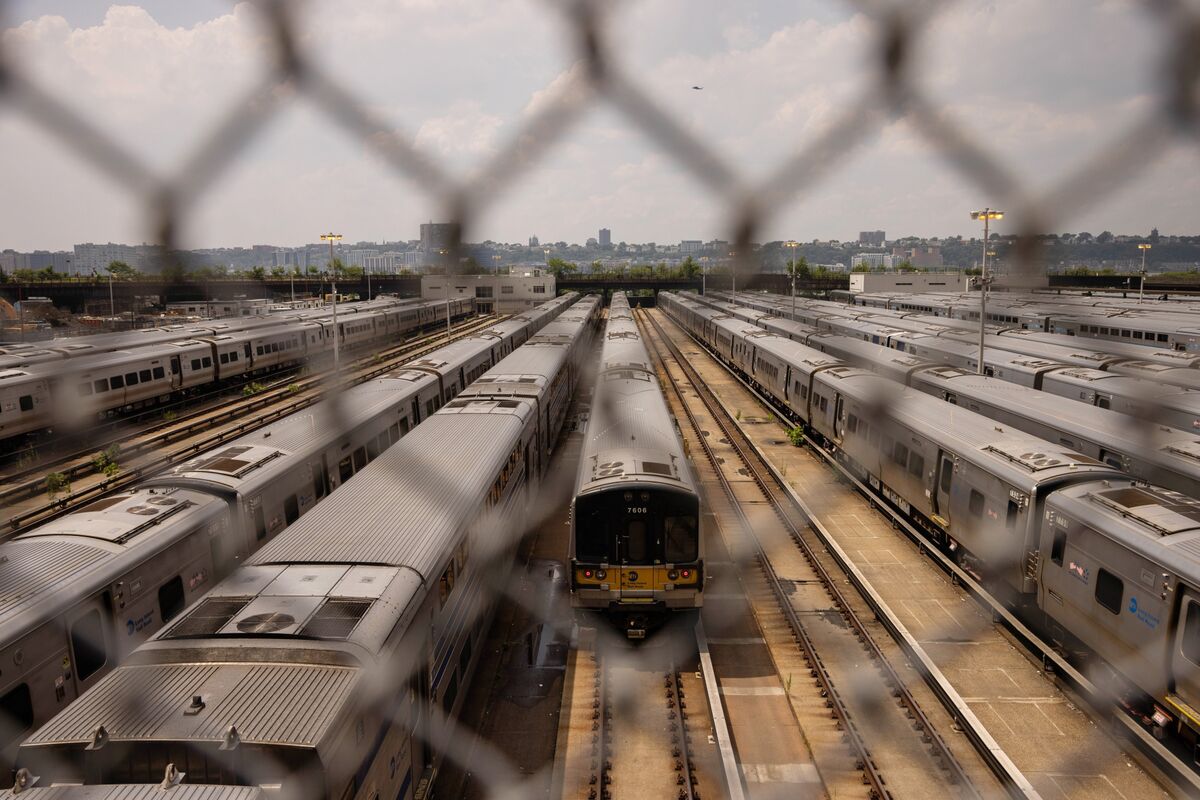
The project, often described as essential for the future of Northeast rail travel, was intended to address long-standing problems caused by outdated tunnels currently used by Amtrak and NJ Transit trains. Those tunnels, which have been in service for more than a century, suffered significant damage during Superstorm Sandy, leaving them vulnerable and increasingly unreliable.
Transportation experts warn that without a new tunnel, the region could face catastrophic disruptions. The existing infrastructure is already operating at near maximum capacity, meaning even minor issues can create widespread delays across the entire Northeast Corridor.
The news that funding has dried up has triggered renewed debate over federal and state responsibilities in financing major public works. Officials involved in the project are now scrambling to secure additional support from Washington, while also exploring alternative financing strategies such as private investment partnerships, additional state contributions, or emergency infrastructure funding packages.
Supporters of the tunnel argue that the project is not optional—it is necessary to prevent a transportation collapse that would impact millions of commuters and cost the economy billions in lost productivity. New York and New Jersey rely heavily on cross-Hudson rail service, especially for workers commuting daily into Manhattan.
Critics, however, have raised concerns about the project’s soaring cost, questioning whether the estimated $16 billion price tag could increase even further due to inflation, labor costs, and construction delays. Some lawmakers have warned that unless tighter oversight is introduced, the tunnel could become one of the most expensive infrastructure projects in U.S. history.
The tunnel project has also become politically sensitive, with leaders from both states stressing its importance while demanding greater federal commitment. Transportation advocates note that delays could create long-term consequences, including reduced rail reliability, weakened regional economic growth, and worsening traffic congestion as commuters shift back to cars and buses.
Despite the funding crisis, project officials remain publicly optimistic, saying they are confident additional financial support will be secured. Still, uncertainty remains about how long the project can continue without a new infusion of money.
As the region waits for answers, commuters and business leaders are increasingly worried that a project meant to protect the future of New York–New Jersey rail travel may now be stuck in limbo.
Watch video below :