In a significant development amid ongoing conflict, Ukraine and Russia exchanged prisoners of war as trilateral negotiations continued, signaling a potential opening for limited cooperation even while broader tensions remain high. The swap, confirmed by officials, comes at a critical moment as international mediators push both sides toward dialogue on humanitarian issues and possible future ceasefire frameworks.
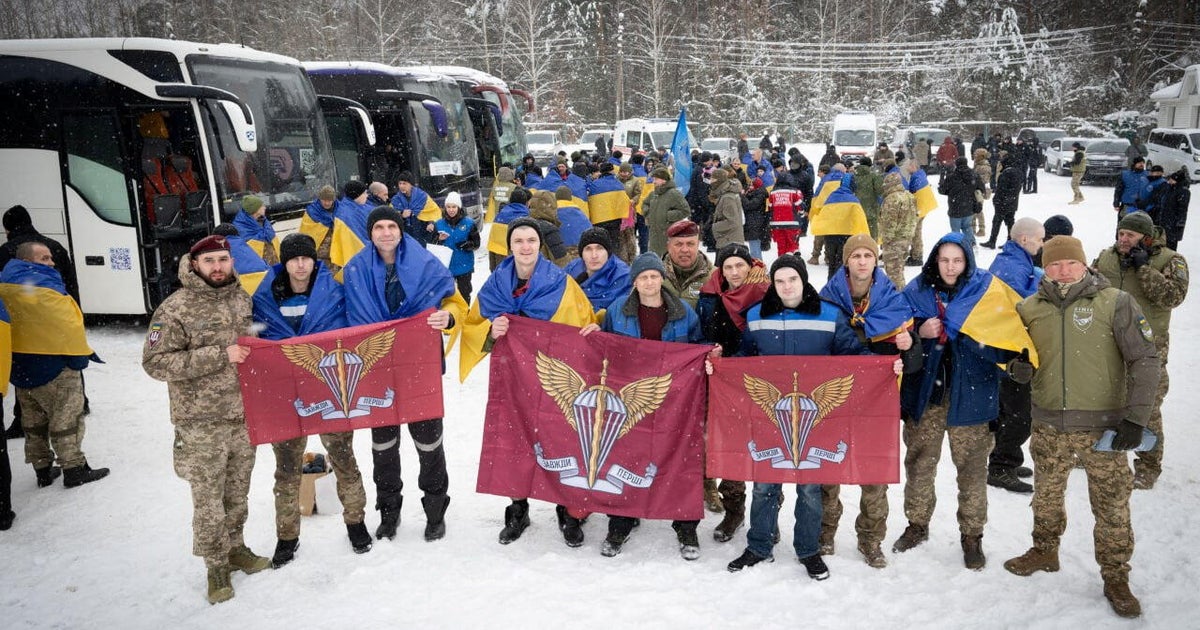
The prisoner exchange involved detained soldiers from both countries, with each side returning captured personnel under negotiated terms. While the exact number of prisoners released has not been fully disclosed, Ukrainian and Russian sources described the exchange as an important humanitarian step, offering relief to families who have waited months — and in some cases years — for news of missing loved ones.
Observers say the timing of the swap is especially notable because it occurred during ongoing trilateral talks, believed to involve a third-party mediator working behind the scenes to facilitate communication. These negotiations have reportedly focused on humanitarian corridors, the return of wounded detainees, and efforts to reduce civilian suffering. While such talks have not produced a major breakthrough toward peace, prisoner exchanges remain one of the few areas where Ukraine and Russia have been able to reach agreements.
For Ukraine, prisoner swaps have become a major priority, with officials repeatedly stressing the importance of returning captured service members and civilians. Ukrainian leaders have also argued that Russia continues to detain individuals unlawfully, including civilians taken from occupied regions. Russia, meanwhile, has framed exchanges as a reciprocal process, often highlighting the return of its own troops as a strategic and symbolic victory.

The prisoner exchange also reflects growing international concern over the humanitarian toll of the war. Human rights groups have documented harsh conditions faced by prisoners on both sides, including allegations of mistreatment, limited access to medical care, and violations of international law. As global attention intensifies, prisoner releases are increasingly viewed as a critical measure of whether negotiations can achieve meaningful results beyond military confrontation.
Despite the exchange, experts caution that the war remains far from resolution. Heavy fighting continues across multiple front lines, and political disagreements over territory, security guarantees, and future governance remain major barriers to any long-term peace agreement. Still, the fact that both sides were able to coordinate a prisoner swap suggests that communication channels remain open — even if only for limited humanitarian outcomes.
Families across Ukraine reportedly gathered in emotional scenes to welcome returning prisoners, with images and messages spreading widely on social media. Similar reactions were reported in Russia, where state media highlighted the return of soldiers as a morale-boosting event.
As trilateral negotiations continue, analysts say future prisoner exchanges could serve as stepping stones toward broader talks. While not a direct sign of peace, such humanitarian agreements are often seen as the first measurable progress in conflicts where trust has been severely damaged.
For now, the prisoner swap offers a rare moment of relief amid war, reminding the world that even during intense conflict, diplomacy can still produce life-changing outcomes.
Watch video below :