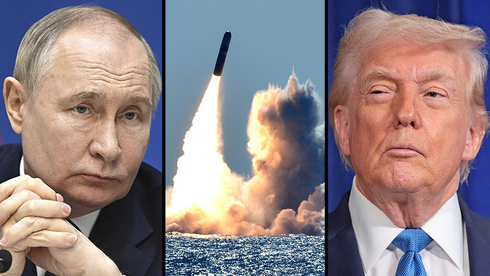
A cornerstone of global arms control is approaching a critical deadline as a major U.S.–Russia nuclear treaty is set to expire, causing widespread concern among world leaders, defense experts, and international bodies.
The impending expiration highlights growing tensions between Washington and Moscow, and raises deep questions about the future of strategic stability and nuclear arms control in the 21st century.
What Treaty Is Expiring?
The agreement in question is the New Strategic Arms Reduction Treaty (New START), a pact first signed in 2010. New START limits the number of deployed strategic nuclear warheads and delivery systems that both the United States and Russia may field, and includes rigorous verification measures.
The treaty has been credited with keeping the world’s two largest nuclear arsenals in check, helping reduce the risk of unchecked weapons build-ups and lowering the chance of miscalculation.
The expiration deadline has been looming for months, and policymakers on both sides have been debating whether to extend, renegotiate, or let the treaty lapse entirely.
Why It Matters for Global Security
New START has been a central fixture of U.S.–Russia arms control for years, and its potential expiration carries significant ramifications:
-
Limits on Nuclear Weapons: The treaty places caps on strategic nuclear warheads and delivery vehicles. Its expiration could open the door for both nations to expand their arsenals without formal limits.
-
Verification and Transparency: New START includes on-the-ground inspections and data exchanges that build trust and reduce uncertainty. Without it, both sides would have less insight into the other’s nuclear posture.
-
Global Stability: Arms control treaties serve as a backbone of strategic stability. The lapse of this treaty could lead to renewed nuclear competition and strain diplomatic ties.
Political Debate and Diplomatic Efforts
U.S. and Russian officials have offered mixed signals about the future of the treaty. Some policymakers argue that extending New START is essential to global security and a prudent measure to maintain predictability in U.S.–Russia relations.
Others have suggested that the treaty needs updating to reflect modern strategic realities, including advances in missile defense, hypersonic weapons, and emerging technologies.
Diplomats have engaged in negotiations to explore potential extensions or new frameworks. However, talks have been challenging, reflecting broader geopolitical tensions between the two nations.
Reactions From Around the World
Global leaders and security experts have weighed in on the treaty’s impending expiration. Many European nations and members of NATO have voiced support for preserving the treaty, arguing that it is critical for maintaining peace and reducing the risk of escalation.
Meanwhile, analysts suggest that without a successor agreement, other nuclear powers may also be emboldened to expand their arsenals, potentially undermining broader non-proliferation efforts.
What Happens Next?
As the deadline approaches, attention is focused on diplomatic efforts in Washington, Moscow, and other capitals. Extending or replacing the treaty could involve complex negotiations and trade-offs on verification, force limits, and related security issues.
If no agreement is reached, the world could enter a new era of nuclear uncertainty — one marked by fewer controls on the largest nuclear arsenals and heightened strategic competition.
For now, the expiration of this key arms control pact has put nuclear security back in the spotlight, emphasizing both the fragility of existing agreements and the ongoing importance of diplomacy.
Watch video below :