

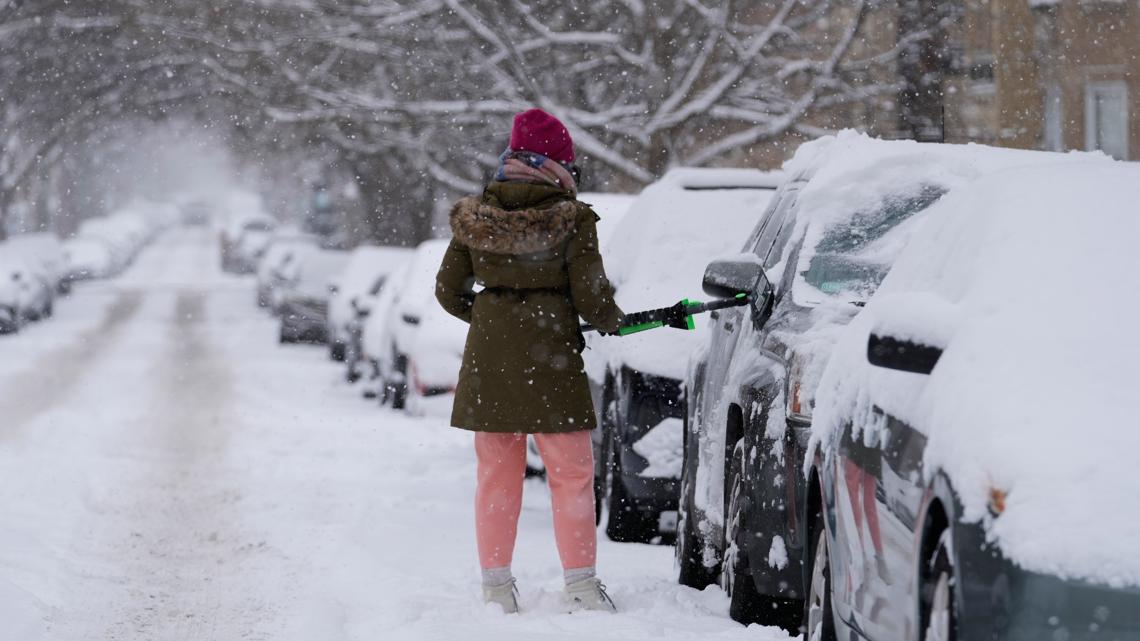
A powerful winter storm sweeping across the United States has left more than one million people without electricity, as heavy snow, ice, and freezing rain cripple infrastructure, disrupt travel, and push emergency systems to the limit. The storm, described by meteorologists as one of the most disruptive this winter, has impacted a wide stretch of the country from the South to the Northeast.
Utility companies reported massive power outages after ice accumulation snapped power lines and brought down trees across multiple states. The hardest-hit regions include parts of Texas, Arkansas, Tennessee, Mississippi, and the Mid-Atlantic, where entire communities were plunged into darkness amid dangerously low temperatures.
Meteorologists warned that the combination of snowfall, sleet, and freezing rain created ideal conditions for infrastructure failure. In many areas, ice coated roads and bridges, making travel extremely hazardous and slowing repair crews attempting to restore electricity. Officials cautioned that restoration efforts could take days in regions where ice damage is severe.
The storm has also caused widespread travel chaos. Thousands of flights were canceled or delayed at major U.S. airports as airlines struggled to keep operations running safely. State transportation departments reported hundreds of crashes and vehicles stranded on icy highways, prompting authorities to issue travel advisories and urge residents to stay home unless absolutely necessary.
Beyond power and travel disruptions, the storm has raised serious public safety concerns. Emergency responders warned of increased risks of hypothermia, especially for vulnerable populations such as the elderly and those without access to heating. Several states opened warming centers as temperatures dropped well below seasonal averages.
Local and state governments responded by declaring states of emergency, allowing access to additional resources and activating National Guard units in some areas. Officials emphasized the importance of conserving power, avoiding unnecessary travel, and checking on neighbors during prolonged outages.
Climate experts note that extreme winter storms like this one are becoming more unpredictable, with rapid temperature swings contributing to heavier ice accumulation and more destructive outcomes. The storm’s scale has reignited discussions around grid resilience, emergency preparedness, and infrastructure investment as communities struggle to cope with increasingly severe weather events.
As the storm continues to move east, forecasters warn that additional snowfall and freezing rain could prolong outages and worsen conditions. Authorities urge residents in affected areas to remain alert, follow local advisories, and prepare for extended periods without power.
With millions impacted, this winter storm stands as a stark reminder of how quickly extreme weather can disrupt daily life across large portions of the United States.
Watch video below :