

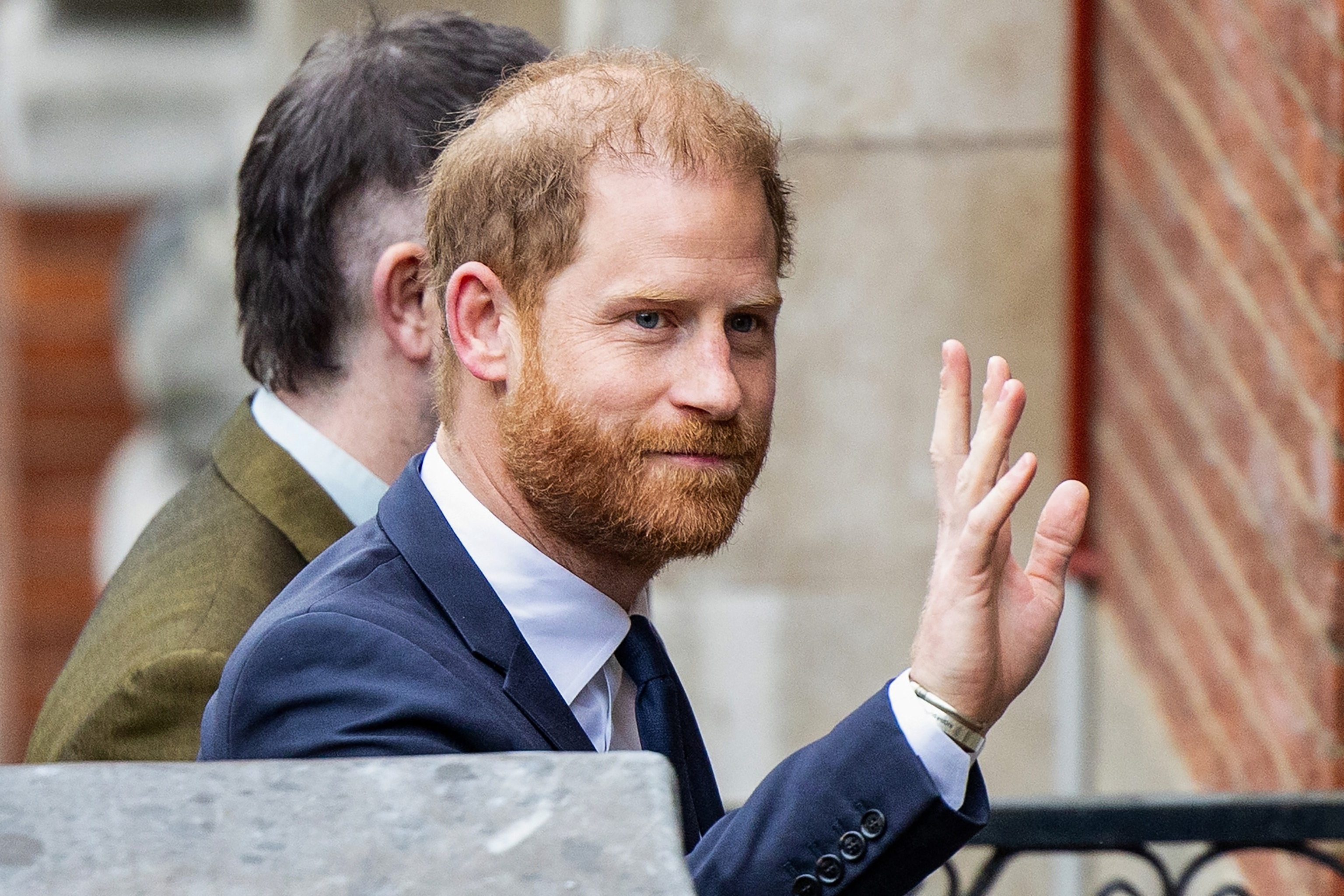
Prince Harry has returned to the United Kingdom to attend the first day of a closely watched court case against several British tabloid publishers, marking another major chapter in his long-running legal battle with the UK press.
The Duke of Sussex arrived in London as proceedings began at the High Court, where his legal team is challenging what they allege was unlawful information gathering by tabloid journalists over many years. The case has drawn widespread public attention due to its implications for press ethics, privacy rights, and the relationship between the royal family and the media.
A Landmark Legal Battle
Prince Harry is among a group of claimants accusing tabloid newspapers of using illegal methods—including phone hacking and other intrusive practices—to obtain private information. While British publishers have previously settled or apologized in similar cases, this lawsuit is notable for its scope and the high-profile nature of the individuals involved.
Harry’s lawyers argue that the alleged practices caused serious personal distress and violated fundamental rights to privacy. The prince has repeatedly stated that holding the press accountable is one of his primary motivations for pursuing legal action, even after stepping back from royal duties.
“This case is about accountability,” his legal team said, emphasizing that the lawsuit aims to expose systematic misconduct rather than seek personal gain.
Renewed Spotlight on Royal–Media Relations
Prince Harry’s return to the UK for the opening day of the trial has reignited debate over the British tabloid culture and its treatment of public figures—particularly members of the royal family. The duke has long blamed aggressive media coverage for contributing to the breakdown of his relationship with the press and for causing harm to his family.
The case also revives painful memories of past scandals involving media intrusion, including those that affected his late mother, Princess Diana. Supporters argue that Harry’s legal fight could strengthen protections for others targeted by invasive reporting.
Mixed Public and Media Reaction
Reaction to the court appearance has been sharply divided. Supporters praise the prince for standing up to powerful media organizations and pushing for reform. Critics, however, question whether the case undermines press freedom or reflects ongoing tensions between Harry and the UK establishment.
Media analysts note that the outcome could set an important precedent for future cases involving journalists and public figures, particularly in an era where digital technology has blurred the boundaries of privacy.
What Happens Next
The trial is expected to last several weeks, with testimony, legal arguments, and evidence likely to attract intense media scrutiny. While Prince Harry is not required to attend every session, his presence on the opening day underscores the personal significance of the case.
Legal experts say a ruling in favor of the claimants could lead to further lawsuits and renewed calls for stricter regulation of the British press.
As the proceedings unfold, Prince Harry’s return to the UK places him back at the center of a national conversation—one that goes beyond royalty and fame to address broader questions about privacy, power, and responsibility in modern media.
Watch video below :


