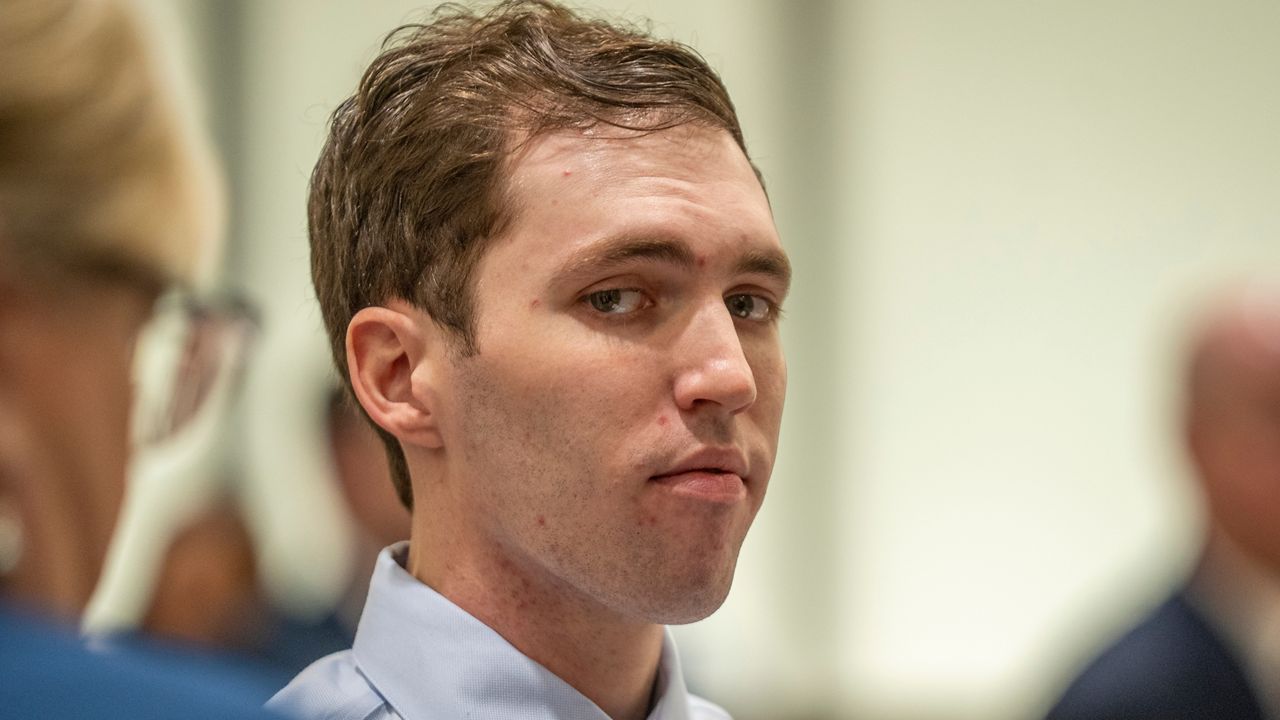
Tyler Robinson, the man accused of killing conservative activist Charlie Kirk, has formally asked a judge to disqualify the prosecutors handling his case, arguing that he cannot receive a fair trial under the current prosecution team. The request adds a new legal twist to a case that has drawn intense national attention and political scrutiny.
Robinson’s defense attorneys filed a motion claiming that prosecutors have demonstrated bias and engaged in conduct that could compromise Robinson’s constitutional right to due process. The court filing alleges that statements made by prosecutors, both inside and outside the courtroom, risk prejudicing potential jurors and undermining the integrity of the proceedings.
Defense Claims Prosecutorial Bias
According to the motion, Robinson’s legal team argues that the prosecution has acted in a manner that goes beyond standard advocacy. The defense claims that public comments and charging decisions reflect political motivations rather than a neutral pursuit of justice.
The filing asks the judge to remove the current prosecutors from the case and appoint a new, independent prosecution team. Defense attorneys say such a move is necessary to ensure that the case is decided solely on evidence presented at trial, not public pressure or political considerations.
Prosecutors have strongly rejected the allegations, stating that their actions have followed legal standards and ethical obligations. They argue that the defense motion is a strategic attempt to delay proceedings and distract from the serious charges Robinson faces.
Background of the Case
Charlie Kirk, a well-known conservative figure and political organizer, was killed in an incident that shocked supporters and critics alike. The case quickly became a focal point in broader national debates over political violence, extremism, and public safety.
Robinson was arrested and charged in connection with Kirk’s death. He has pleaded not guilty and remains in custody as the legal process unfolds. Authorities have emphasized that the case is being handled as a criminal matter, not a political one.
Legal Standards for Disqualification
Legal experts note that motions to disqualify prosecutors face a high bar. Judges typically require clear evidence of a conflict of interest or misconduct that would materially affect the defendant’s right to a fair trial.
Courts are generally reluctant to remove prosecutors unless there is proof that their involvement would undermine the administration of justice. If the judge denies the motion, the current prosecution team will continue to handle the case.
Public and Political Reactions
The filing has generated strong reactions across the political spectrum. Supporters of Robinson’s defense argue that the case has been overly politicized and that heightened media attention risks influencing the outcome. Others contend that the motion is an attempt to avoid accountability for a serious crime.
The case continues to draw widespread media coverage, reflecting its significance in ongoing discussions about political rhetoric, violence, and the legal system’s ability to remain impartial under intense public scrutiny.
What Happens Next
The judge is expected to review written arguments from both sides before issuing a ruling on the disqualification request. No timeline has been announced, but the decision could have a major impact on how the case proceeds.
As the legal battle continues, the court’s handling of the motion will be closely watched as a test of judicial independence in a highly charged and politically sensitive case.
Watch video below :