

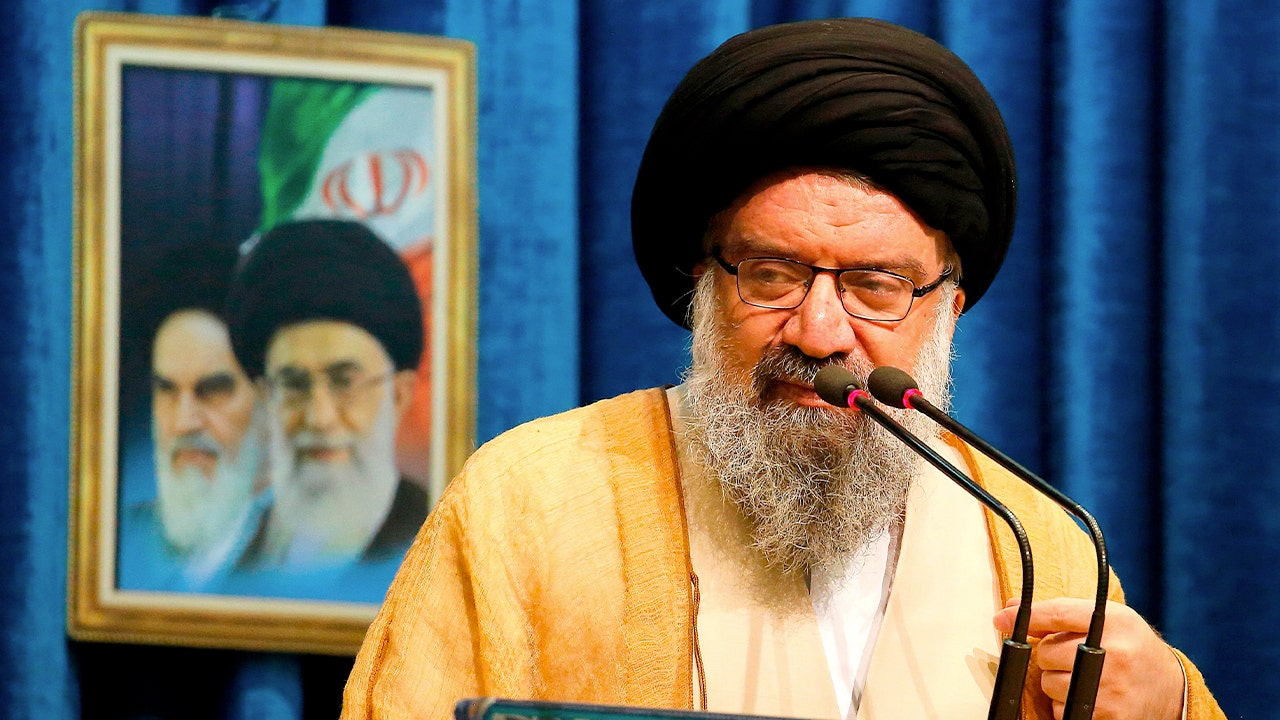
Iran’s top leader has issued a stark warning amid ongoing nationwide unrest, calling for executions of individuals accused of inciting violence and instability. The remarks have intensified international concern over human rights conditions in Iran and signaled a potential escalation in the government’s response to prolonged protests.
Speaking in a public address, the senior Iranian leader accused what he described as “hostile elements” and foreign-backed agitators of attempting to undermine national security. He argued that harsh punishment, including capital punishment under Iranian law, is necessary to restore order and deter further unrest.
Rising Pressure as Protests Persist
Iran has experienced waves of protests in recent months, driven by economic hardship, political grievances, and public anger over governance and social restrictions. Demonstrations have erupted in multiple cities, sometimes resulting in clashes between protesters and security forces.
Authorities claim that some individuals involved in the unrest have committed serious crimes, including attacks on public institutions and security personnel. State media has repeatedly framed the protests as part of a broader conspiracy orchestrated by external enemies seeking to destabilize the country.
The leader’s call for executions marks one of the strongest signals yet that the government intends to adopt a hardline security approach rather than pursue dialogue or reform.
Legal Framework and Human Rights Concerns
Iran’s judicial system allows for the death penalty in cases involving charges such as “enmity against God” or actions deemed to threaten national security. Human rights organizations, however, argue that such laws are frequently applied through opaque legal processes that lack due process and fair trial standards.
International watchdogs have warned that executions linked to protest-related charges could amount to political repression. Advocacy groups have urged Iran to halt capital punishment, release detained protesters, and allow independent monitoring of legal proceedings.
Despite these criticisms, Iranian officials maintain that the judiciary operates independently and that all sentences are issued in accordance with domestic law.
Domestic and International Reactions
The leader’s remarks have drawn mixed reactions inside Iran. Supporters of the government argue that strong measures are necessary to prevent chaos and preserve national unity. Critics, however, fear that calls for executions will further inflame public anger and deepen mistrust between citizens and the state.
Internationally, Western governments and human rights organizations have condemned the rhetoric, warning that mass executions would violate international human rights norms. Some countries have called for increased diplomatic pressure and potential sanctions if Iran proceeds with harsher punishments.
Broader Implications
Analysts say the statement reflects the Iranian leadership’s broader strategy of deterrence through force, particularly during periods of internal instability. By signaling a willingness to impose the most severe penalties, the government aims to discourage future protests and reassert control.
However, experts also warn that such an approach could backfire, fueling further unrest and international isolation at a time when Iran is already facing economic sanctions and diplomatic challenges.
What Lies Ahead
As unrest continues and arrests mount, the coming weeks may prove critical for Iran’s political trajectory. Whether the government follows through on its threats or adjusts its strategy will shape both domestic stability and Iran’s standing on the global stage.
For now, the leader’s call for executions underscores the high stakes of Iran’s ongoing crisis — and the deep divide between state authority and public dissent.
Watch video below :


