U.S. President Donald Trump has reignited global controversy after warning that countries opposing a potential U.S. bid for Greenland could face economic retaliation in the form of tariffs. The remarks have sparked diplomatic concern across Europe and raised fresh questions about Washington’s approach to foreign policy and trade.
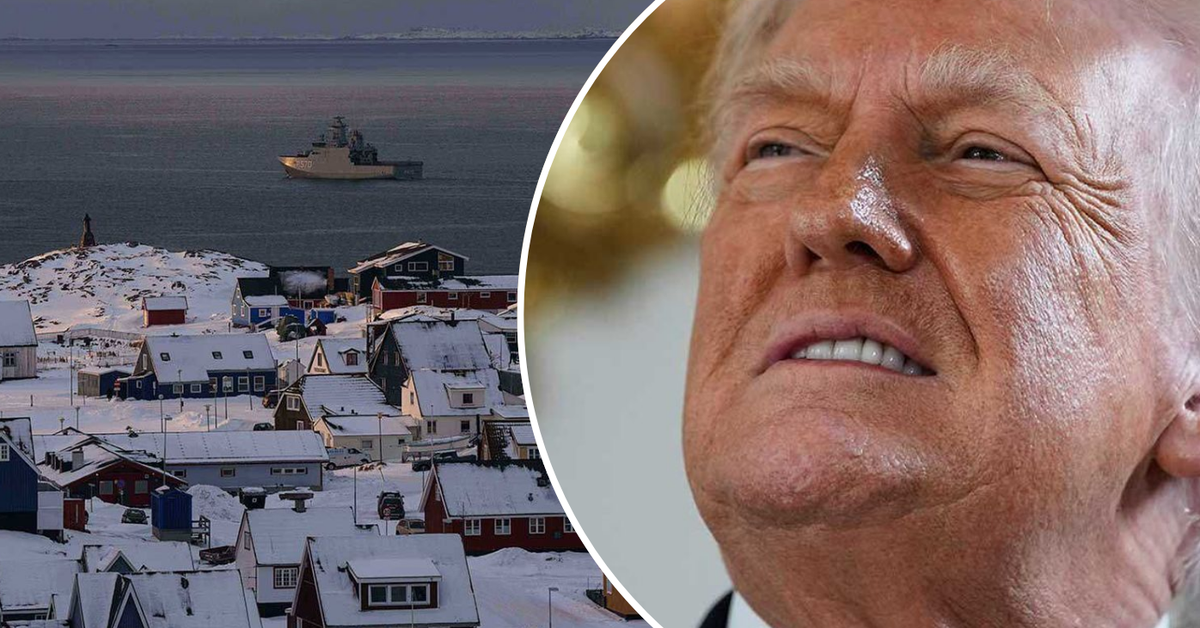
Speaking to supporters and media outlets, Trump suggested that Greenland remains a strategic priority for the United States due to its location, natural resources, and growing importance in Arctic security. He argued that nations standing in the way of American interests should expect consequences, framing tariffs as a legitimate tool to defend U.S. geopolitical objectives.
Renewed Push for Greenland
Trump first floated the idea of acquiring Greenland during his presidency, a proposal that was swiftly rejected by Denmark and Greenlandic officials. At the time, the idea was widely criticized as unrealistic and diplomatically insensitive. However, Trump has now revived the issue, citing rising tensions in the Arctic and increased competition from global powers such as China and Russia.
According to Trump, Greenland’s strategic position makes it vital for U.S. defense and economic interests. He claimed that opposition from allied nations undermines American security and justifies the use of economic pressure to protect national priorities.
Tariff Threats Raise Alarm
The threat to impose tariffs on countries opposing the Greenland bid has drawn swift reactions from international observers. Trade experts warn that such measures could trigger retaliatory actions, disrupt global markets, and further strain already fragile alliances between the United States and its partners in Europe.
Several European officials have reiterated that Greenland is not for sale and that decisions regarding its future rest with the people of Greenland themselves. Denmark has emphasized that any attempt to use economic coercion would violate the spirit of international cooperation and mutual respect among allies.
Geopolitical and Economic Implications
The comments come at a time of heightened global uncertainty, with trade disputes, military conflicts, and shifting alliances reshaping the international landscape. Analysts say Trump’s remarks reflect a broader pattern of using tariffs as a political weapon, a strategy he employed frequently during his presidency.
Critics argue that threatening tariffs over territorial ambitions risks escalating tensions and undermining long-standing diplomatic norms. Supporters, however, view Trump’s stance as a hardline approach aimed at securing U.S. dominance in strategically important regions.
Domestic and Global Reaction
Within the United States, reactions have been sharply divided. Some political figures praised Trump’s assertive posture, arguing that America must act decisively to counter global rivals. Others warned that aggressive rhetoric could isolate the U.S. and weaken its leadership on the world stage.
Internationally, the remarks have prompted renewed discussions about Arctic sovereignty, resource competition, and the balance of power in the region. Observers say the situation underscores how economic tools are increasingly being used to advance geopolitical goals.
What Comes Next
While no formal policy action has been announced, Trump’s tariff threat has already intensified diplomatic tensions. If translated into actual measures, it could have far-reaching consequences for global trade, U.S.–European relations, and Arctic geopolitics.
For now, the controversy highlights the growing intersection between trade policy and strategic competition — and signals that Greenland may remain a flashpoint in future international disputes.
Watch video below :