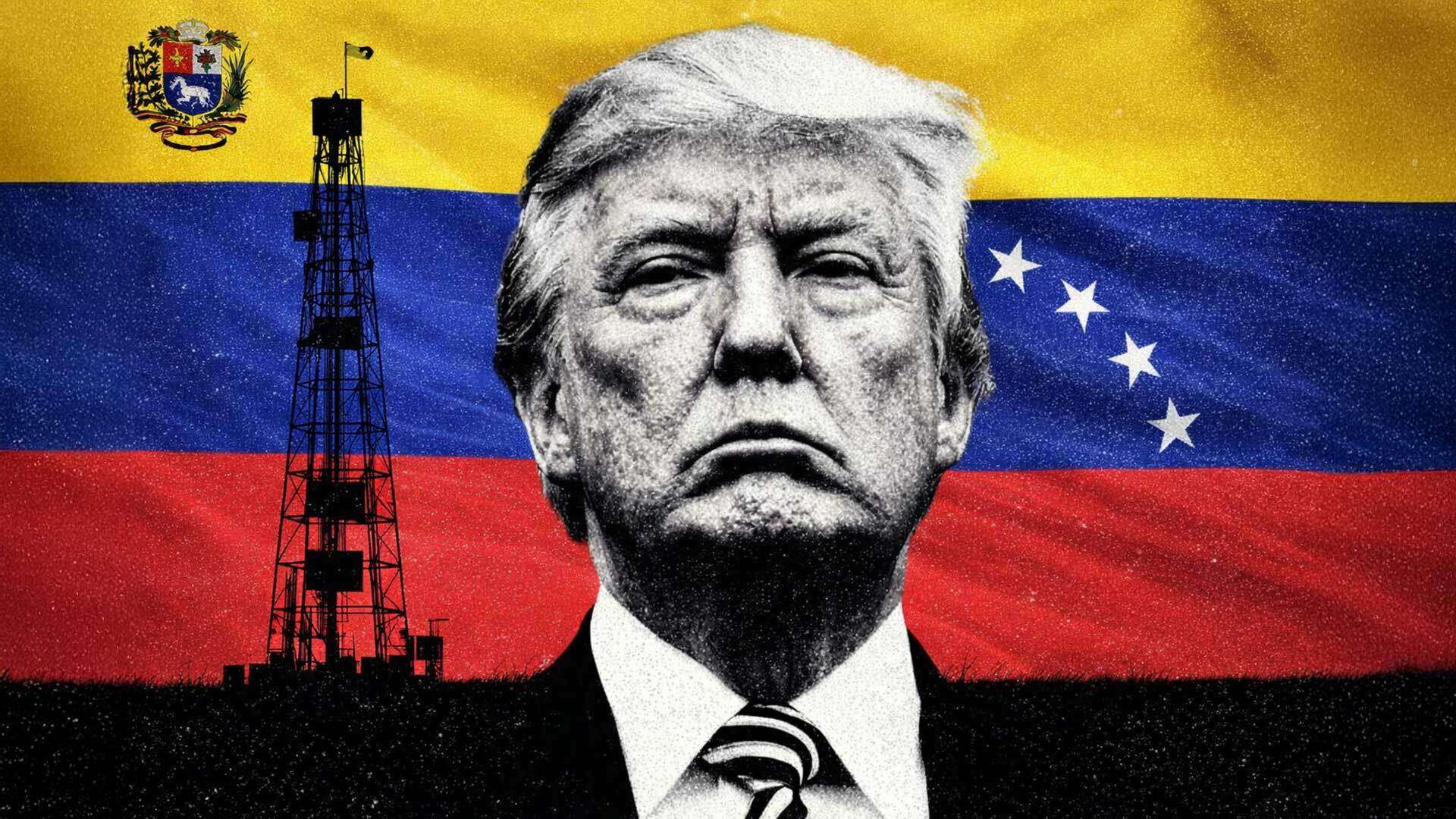
In a startling development that has sent shockwaves through the global energy market, President Donald Trump has promised American oil companies “total safety” should they choose to operate in Venezuela. This bold declaration marks a significant pivot in U.S. foreign policy regarding the oil-rich South American nation, potentially reopening doors that had been sealed by years of stringent sanctions and diplomatic isolation.
During a recent address, Trump emphasized the immense untapped potential of Venezuela’s oil reserves, which are widely recognized as the largest in the world. By pledging security, Trump aims to reassure major energy corporations that the risks associated with investing in a politically volatile and economically unstable nation would be mitigated under his leadership. The promise suggests a future administration would prioritize energy dominance and economic gain over the human rights and democratic concerns that have historically defined U.S.-Venezuela relations.
Navigating a Geopolitical Minefield
Venezuela’s oil industry, once the crown jewel of the global economy, has fallen into disrepair under the regime of Nicolás Maduro. Plagued by mismanagement, hyperinflation, and international embargoes, the state-run PDVSA has struggled to maintain production levels. However, for U.S. oil giants, the allure of accessing the world’s largest proven crude oil reserves is irresistible—provided the legal and physical risks can be managed.
Trump’s guarantee of “total safety” raises critical questions about the mechanisms of such protection. It implies a level of U.S. government intervention that goes beyond standard diplomatic support. Could this involve the deployment of private security contractors, or perhaps a more aggressive U.S. military posture in the Caribbean to safeguard American assets? For energy investors, this assurance is designed to lower the barrier to entry, transforming a “high-risk” market into a viable frontier for capital expansion.
The Sanctions Paradox
This pledge creates a complex paradox with existing U.S. foreign policy. The Trump administration was originally responsible for some of the toughest sanctions on Caracas, aimed at crippling the Maduro regime financially. Promoting U.S. investment now would likely require a nuanced, and perhaps controversial, easing of these restrictions or the establishment of a special framework that allows American companies to bypass the economic blockade.
Critics argue that engaging with the Maduro regime legitimizes a dictatorship accused of grave human rights abuses. Conversely, proponents suggest that flooding the market with Venezuelan crude could drive down global oil prices, providing immediate relief to American consumers at the pump while reducing the influence of adversarial nations like Russia and China in the region.
Industry Reaction and Future Outlook
The reaction from the energy sector has been cautiously optimistic. While major players are eager to access reserves, corporate boards are risk-averse by nature. They will require more than just verbal assurances; they demand concrete legal protections and stability guarantees before committing billions in capital.
Ultimately, Trump’s promise underscores a transactional approach to geopolitics. By prioritizing the interests of American oil companies, the proposal seeks to weaponize the U.S. energy sector for strategic advantage. As the 2024 election cycle heats up, this vow to secure Venezuela’s oil fields will undoubtedly remain a contentious and closely watched topic in the debate over America’s energy future.
Watch video below :