

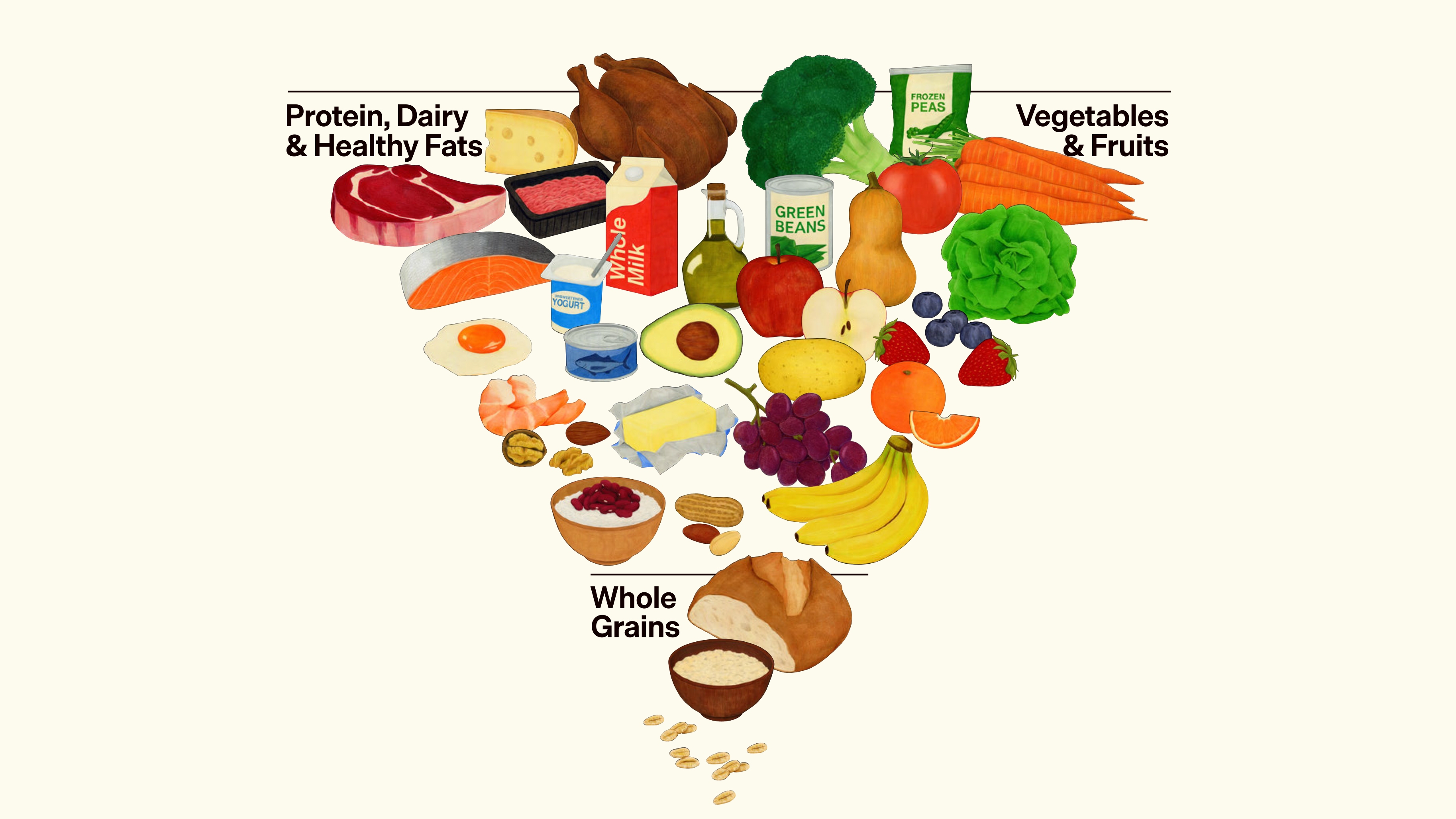
For decades, the narrative surrounding healthy eating in the United States has been dominated by calorie counting, carbohydrate reduction, and fat avoidance. However, the landscape of nutrition is undergoing a seismic shift. The newly released federal dietary guidelines have placed protein front and center, marking a pivotal change in how Americans are advised to fuel their bodies. This update is not merely a suggestion; it is a strategic repositioning of protein as a cornerstone of public health.
A Paradigm Shift in Public Health
The U.S. Departments of Agriculture (USDA) and Health and Human Services (HHS) update the Dietary Guidelines for Americans every five years. While previous iterations treated protein as a standard box to check, the latest guidelines elevate its status significantly. This shift reflects a growing body of scientific evidence highlighting protein’s critical role in metabolic health, satiety, and healthy aging. By moving protein from the periphery to the spotlight, federal health officials are acknowledging that when we eat protein and how much we consume is just as important as the source.
The Science of Satiety and Muscle Maintenance
Why the sudden focus on this macronutrient? The new guidelines emphasize protein’s ability to curb hunger and stabilize blood sugar levels—a vital tool in the nation’s fight against obesity. Unlike simple carbohydrates, which cause rapid spikes and crashes in energy, protein provides a sustained energy release, reducing the likelihood of overeating.
Furthermore, the guidelines specifically address the needs of an aging population. Sarcopenia, the age-related loss of muscle mass, is a growing concern. Increased protein intake is now strongly recommended for older adults to preserve muscle strength, maintain mobility, and prevent frailty. This move frames protein not just as a bodybuilder’s supplement, but as an essential nutrient for longevity and quality of life.
Quality Over Quantity: The “Protein Package”
While the emphasis is on eating more protein, the guidelines also stress the importance of the “protein package.” Not all protein sources are created equal. The federal advice encourages Americans to look beyond just the macronutrient content and consider what else comes with it. Lean meats, poultry, eggs, seafood, beans, peas, and lentils are highlighted as optimal choices. These nutrient-dense foods provide protein along with essential vitamins and minerals like iron, zinc, and B vitamins, without excessive saturated fats or sodium.
Practical Applications for Your Plate
For the average consumer, this update translates to a redistribution of the dinner plate. Instead of viewing meat or plant-based proteins as a small side dish, they should now occupy a central portion of the meal. Nutrition experts suggest incorporating protein into every meal and snack to maximize its muscle-building and appetite-suppressing benefits. Whether it is a Greek yogurt parfait for breakfast, a chicken and quinoa bowl for lunch, or salmon with roasted vegetables for dinner, the goal is consistency.
The Future of Nutrition Strategy
This revision is more than just government paperwork; it is a clear signal to the food industry, healthcare providers, and consumers. As the nation grapples with rising rates of chronic disease, prioritizing protein offers a tangible, science-backed solution. By embracing these new federal dietary guidelines, Americans can take a proactive step toward better metabolic health, improved body composition, and a more robust immune system. The era of passive protein consumption is over; the era of intentional nutrition has arrived.
Watch video below :


