

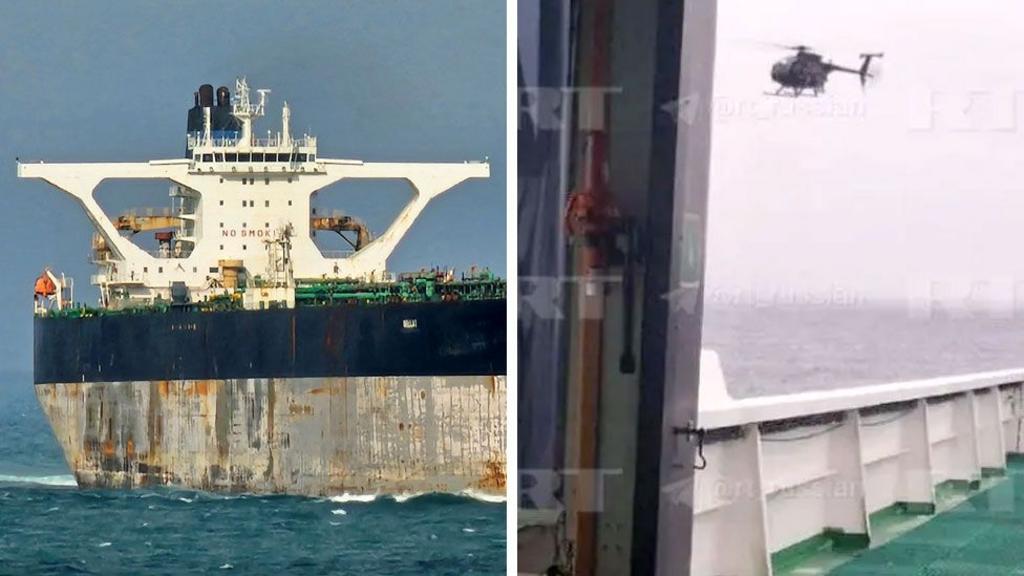
In a significant escalation of economic enforcement, U.S. authorities have seized two Russian-flagged oil tankers in separate, high-stakes operations spanning the North Atlantic and the Caribbean Sea. These bold moves mark a intensifying effort by Washington to disrupt the illicit trade networks funding Russia’s war machine and enforce strict sanctions violations.
A Strategic Maritime Offensive
The first seizure occurred in the frigid waters of the North Atlantic, where U.S. federal agents intercepted a Russian-flagged vessel suspected of transporting oil in violation of international price caps. Simultaneously, a second operation unfolded in the warmer waters of the Caribbean, targeting another tanker with similar alleged ties to sanctions evasion. These coordinated interceptions highlight the global reach of U.S. maritime law enforcement and their commitment to policing international shipping lanes.
Enforcing the Price Cap
The seizures are part of a broader strategy to police the G7 price cap on Russian oil, which was designed to limit Moscow’s revenue while maintaining global energy supplies. However, Russia has increasingly relied on a “shadow fleet”—aging, often uninsured vessels operating outside standard maritime regulations—to bypass these restrictions. By seizing the physical tankers, the U.S. is signaling that it will not only target the oil but the infrastructure used to transport it.
Legal and Economic Repercussions
The Department of Justice (DOJ) and the U.S. Coast Guard played pivotal roles in these operations. According to legal experts, seizing a vessel involves complex maritime law, requiring evidence that the ship was used to circumvent sanctions or engage in money laundering. The forfeiture of these tankers deals a dual blow: it disrupts the immediate supply of contraband oil and serves as a severe financial deterrent to shipowners and insurers considering business with sanctioned entities.
Disrupting the “Shadow Fleet”
The use of Russian-flagged tankers in these regions underscores the challenges facing Western intelligence. The Caribbean, in particular, has become a hotspot for illicit shipping activity due to its heavy maritime traffic and proximity to South American markets. U.S. officials have repeatedly warned that facilitating the trade of Russian oil supports the ongoing conflict in Ukraine, making these seizures a matter of national security as well as economic policy.
Global Implications
As the news of the seizures spreads, the international shipping market is on high alert. Shipowners are facing increased scrutiny, and the cost of insuring vessels carrying Russian cargo is skyrocketing. These latest operations demonstrate that the U.S. is willing to project power across vast distances to enforce its sanctions regime.
With these two tankers now in U.S. custody, the message to the maritime industry is clear: violations of sanctions will be met with decisive action. The battle against Russian oil evasion has moved from boardrooms to the high seas, and the U.S. is showing no signs of easing its pressure.
Watch video below :


