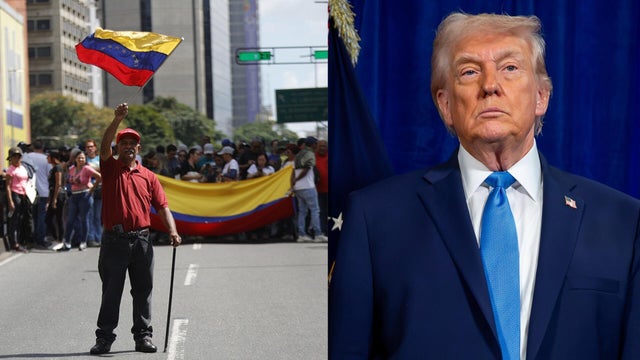
U.S. President Donald Trump’s recent calls for action against other countries following events in Venezuela are “quite destabilizing”, according to foreign policy experts, who warn the rhetoric could escalate global tensions and undermine diplomatic norms.
In the aftermath of Venezuela’s dramatic developments, Trump publicly suggested that similar measures could be taken against other nations he views as hostile to U.S. interests. While no specific targets or timelines were formally announced, the statements have drawn concern from analysts who say such language risks fueling uncertainty and instability on the international stage.
Foreign policy experts argue that public threats or broad calls for action—particularly from a U.S. president with significant political influence—can have far-reaching consequences. “Even without immediate policy follow-through, this kind of rhetoric sends a powerful signal,” one analyst said, noting that it may embolden hardliners, unsettle allies, and provoke defensive responses from rival governments.
The comments come at a sensitive moment for global diplomacy. Tensions remain high in several regions, and recent actions involving Venezuela have already sparked debate over sovereignty, international law, and the limits of U.S. power abroad. Experts warn that extending such confrontational messaging beyond a single country could increase the risk of miscalculation.
Critics also point out that Trump’s statements blur the line between official U.S. policy and personal political positioning. Although he is no longer in office, Trump remains a dominant figure in American politics, and his words continue to carry weight both domestically and internationally. Foreign governments, analysts say, may feel compelled to respond, even if the comments do not reflect the current administration’s stance.
Supporters of Trump argue that his approach signals strength and deterrence, claiming that tough rhetoric can pressure adversaries and discourage hostile actions. They contend that previous administrations failed to confront problematic regimes decisively, allowing threats to grow unchecked.
However, many experts disagree, emphasizing that diplomacy relies heavily on predictability and restraint. “When powerful figures openly suggest action against multiple countries, it introduces volatility into an already fragile global environment,” a senior international relations scholar said. “That unpredictability is what makes it destabilizing.”
Allied nations are also watching closely. Analysts note that U.S. partners may worry about being drawn into potential conflicts or facing diplomatic fallout from statements they did not endorse. This could complicate cooperation on trade, security, and multilateral initiatives.
The current U.S. administration has not formally commented on Trump’s remarks, but officials have repeatedly emphasized a commitment to diplomacy and coordination with allies. Experts say maintaining a clear distinction between official policy and political rhetoric will be essential to reassure both allies and adversaries.
As global attention remains focused on Venezuela and its broader implications, analysts warn that expanding the scope of confrontation could deepen divisions and increase geopolitical risk. Whether Trump’s comments translate into concrete action or remain rhetorical, experts agree that the impact on global stability should not be underestimated.
Watch video below :