

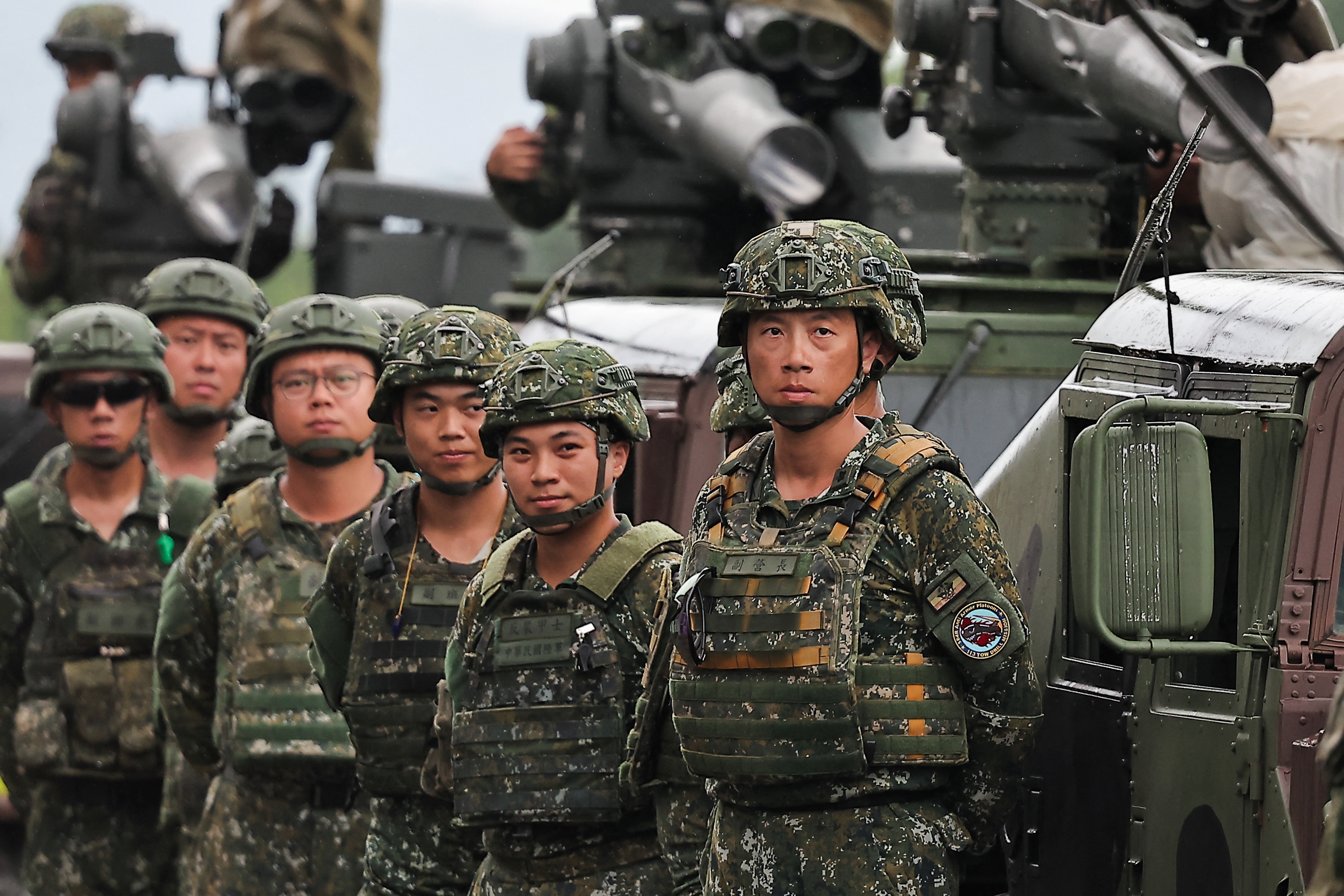
A new U.S. weapons package approved under President Donald Trump for Taiwan has sparked a swift and forceful response from Beijing, prompting a flurry of Chinese sanctions against American defense firms and individuals. The move has further intensified tensions between the United States and China, underscoring the fragile state of relations over Taiwan.
According to U.S. officials, the weapons package includes advanced military equipment and defense systems intended to strengthen Taiwan’s ability to deter potential aggression. The administration framed the sale as consistent with long-standing U.S. policy under the Taiwan Relations Act, emphasizing Washington’s commitment to helping Taiwan maintain sufficient self-defense capabilities.
China Responds With Sanctions
China’s Foreign Ministry condemned the arms sale, calling it a serious violation of its sovereignty and territorial integrity. Within hours of the announcement, Beijing unveiled a series of sanctions targeting U.S. defense contractors, executives, and related entities involved in the deal.
Chinese officials stated that sanctioned companies will face restrictions on business operations in China, limits on trade cooperation, and potential asset freezes. While Beijing has issued similar sanctions in the past, analysts say the speed and scale of this response reflect growing frustration with U.S. support for Taiwan.
Rising Tensions Over Taiwan
Taiwan remains one of the most sensitive flashpoints in U.S.–China relations. Beijing considers the self-governed island part of its territory and has vowed to reunify it with the mainland, by force if necessary. The United States, while officially recognizing Beijing, maintains unofficial ties with Taiwan and is its most important security partner.
Chinese military activity around Taiwan has increased in recent years, including large-scale drills and frequent air and naval operations near the island. U.S. officials argue that arms sales are necessary to preserve stability in the Taiwan Strait by deterring unilateral changes to the status quo.
Washington Defends the Decision
The Trump administration defended the weapons package, stating that it supports regional security and peace, not provocation. U.S. officials stressed that the sale is defensive in nature and does not alter America’s “One China” policy.
Lawmakers from both parties have voiced support for Taiwan, viewing the island as a critical partner in the Indo-Pacific and a symbol of democratic governance in the region.
Economic and Diplomatic Implications
China’s sanctions are expected to have limited immediate economic impact on major U.S. defense companies, many of which conduct minimal business in China. However, the measures add to broader economic and diplomatic strains between the world’s two largest economies.
Experts warn that repeated cycles of arms sales and retaliatory sanctions could deepen mistrust and increase the risk of miscalculation. “Each move raises the stakes,” one regional security analyst noted, “making dialogue more difficult.”
What Comes Next
Despite the escalation, both sides have signaled they want to avoid direct confrontation. Observers say future developments will depend on continued U.S. arms support for Taiwan, China’s military posture, and whether diplomatic channels remain open.
As tensions rise, the Taiwan issue continues to test the balance between deterrence, diplomacy, and the risk of conflict in the Indo-Pacific.
Watch video below :


