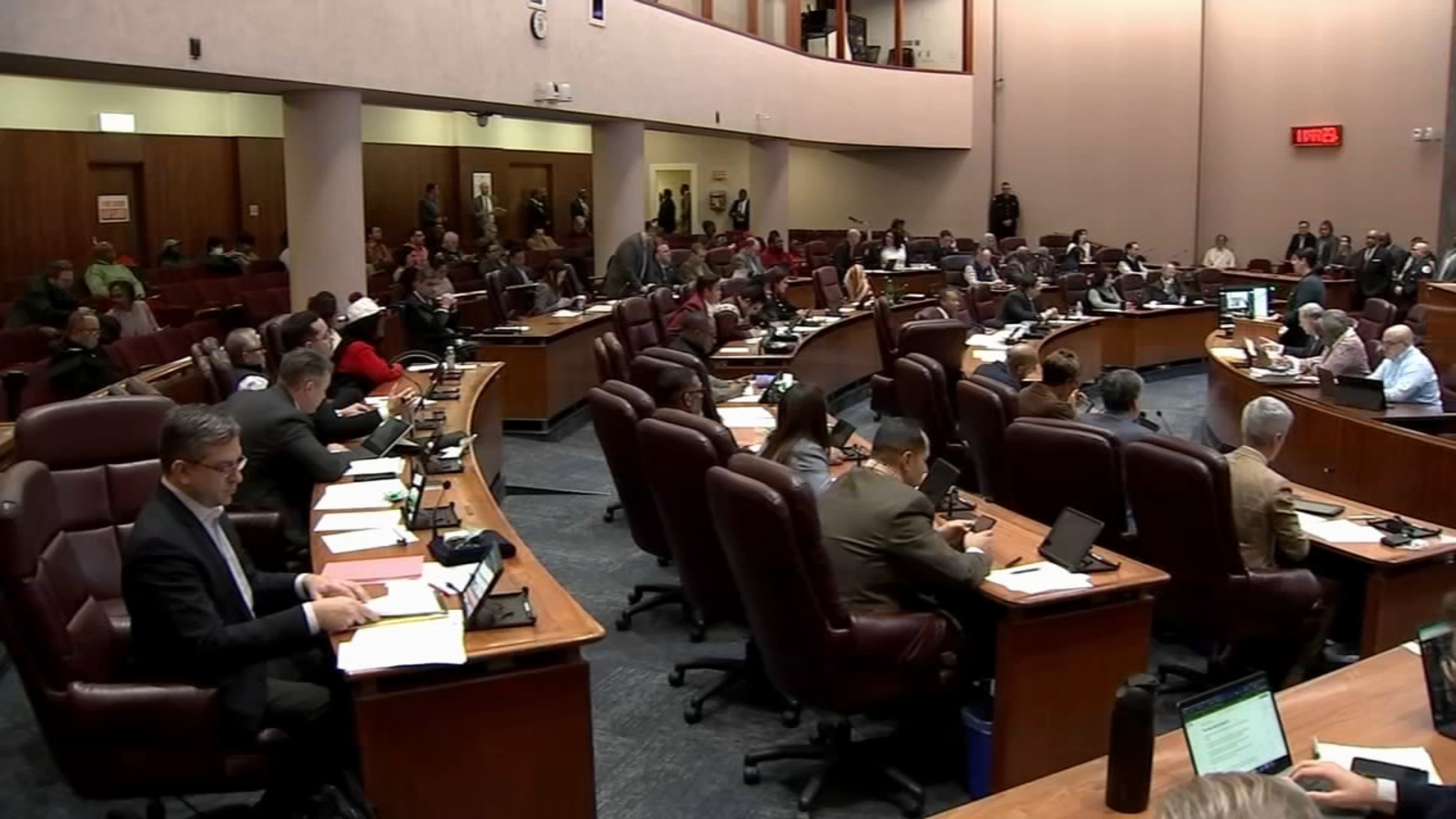
The Chicago City Council has approved an alternative budget plan that excludes a controversial “head tax,” setting the stage for a potential showdown with Mayor Brandon Johnson, who retains the authority to veto the measure.
The council’s vote marks a significant political moment as lawmakers seek to reshape the city’s financial strategy amid mounting budget pressures. The alternative plan was passed by a majority of aldermen who argued that the proposed head tax — a levy on large employers based on the number of workers — could discourage business investment and threaten job growth in Chicago.
Supporters of the council-backed budget say it offers a more balanced approach to closing the city’s budget gap without placing additional burdens on employers. The plan relies on a mix of spending adjustments, targeted revenue measures, and financial reserves, aiming to stabilize city finances while avoiding what critics describe as a “job-killing tax.”
Mayor Johnson, however, has made the head tax a central element of his broader fiscal vision. He has argued that large corporations should contribute more to fund essential public services, including public safety, housing, and social programs. The mayor maintains that excluding the tax undermines efforts to create a more equitable revenue system and address long-standing inequalities across the city.
Under Chicago law, the mayor has the power to veto the council’s budget plan, a move that could reignite debate and force further negotiations. If Johnson vetoes the measure, the City Council could still override his decision with a supermajority vote, though achieving that threshold may prove challenging.
The budget dispute comes as Chicago faces rising pension obligations, inflation-driven costs, and ongoing demands for increased investment in public services. City officials have warned that tough fiscal choices are unavoidable, regardless of which version of the budget ultimately prevails.
Business groups welcomed the council’s decision, praising aldermen for rejecting the head tax. Industry leaders have long argued that such a levy could push employers to relocate or scale back hiring, particularly as Chicago competes with other major cities for investment and talent.
Progressive advocates, on the other hand, criticized the alternative budget, saying it fails to generate sufficient revenue from wealthy corporations and risks deeper cuts or underfunding of essential programs. They argue that without new sources of revenue, the city may struggle to meet residents’ needs in the long term.
As the mayor considers his next move, the budget standoff highlights broader political tensions at City Hall. Johnson, elected on a progressive platform, now faces resistance from a City Council increasingly willing to assert its independence on fiscal matters.
The coming days will determine whether compromise is possible or whether Chicago is headed for a high-stakes veto battle. For residents, the outcome will shape not only the city’s finances but also its approach to economic growth, social investment, and business policy in the years ahead.
Watch video below :