

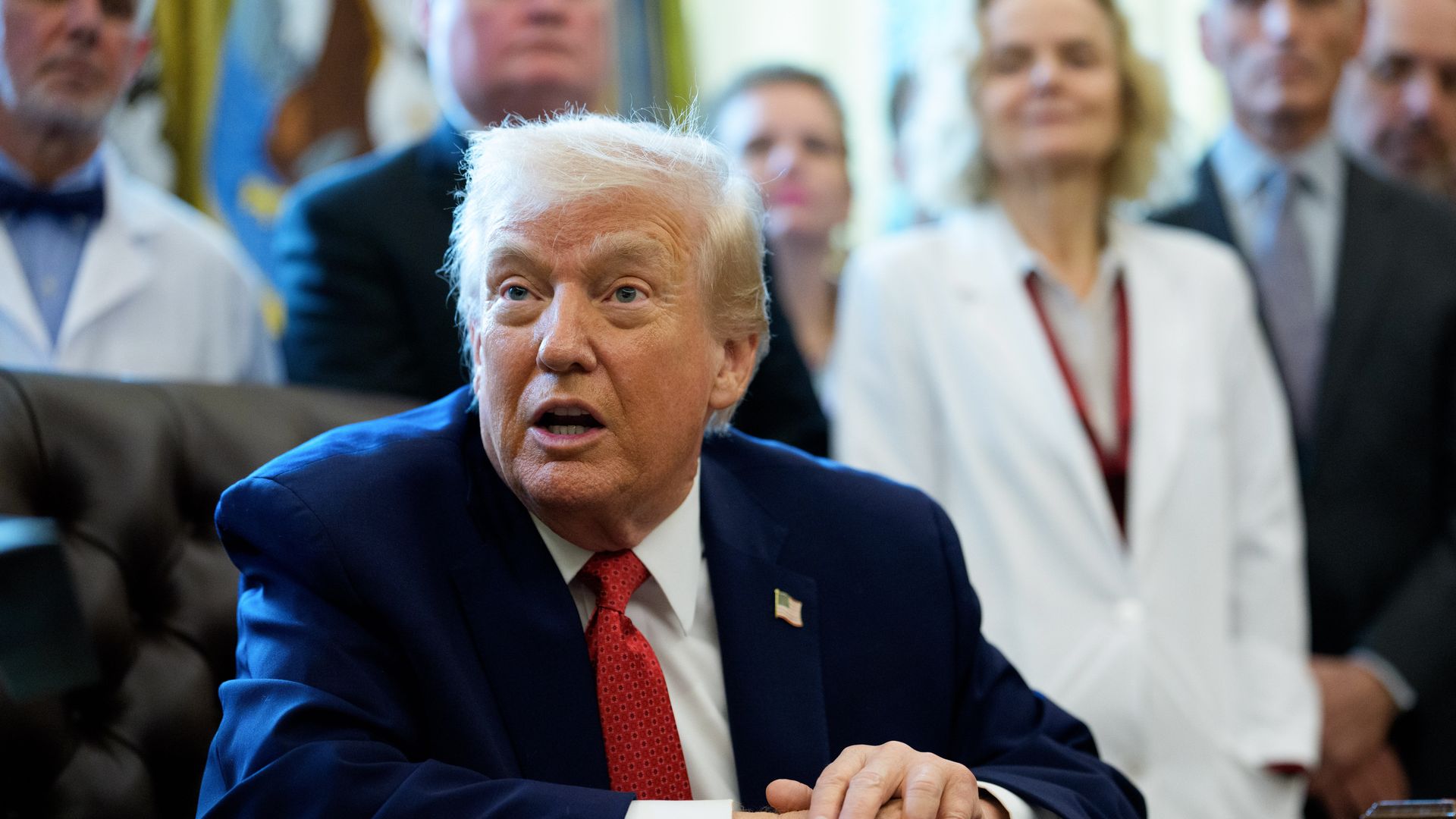
President Donald Trump announced that additional pharmaceutical companies have agreed to implement “Favored Nation Pricing,” a policy aimed at lowering prescription drug costs for American consumers by tying U.S. prices to the lowest rates paid by other developed nations.
Speaking during a public appearance, Trump framed the move as a major step toward ending what he described as unfair pricing practices that have forced Americans to pay significantly more for medications than patients in other countries. According to the president, the expansion of Favored Nation Pricing represents growing momentum among drugmakers to align with his administration’s push for cost transparency and affordability.
“For years, Americans have been subsidizing the rest of the world,” Trump said. “Favored Nation Pricing puts the United States first by ensuring we don’t pay more than other nations for the same drugs.”
The policy concept is based on international reference pricing, meaning U.S. drug prices would be benchmarked against the lowest prices offered in a group of comparable countries. Supporters argue that this approach could significantly reduce costs for seniors, particularly those enrolled in Medicare, who often face high out-of-pocket expenses for prescription medications.
Trump’s announcement follows earlier efforts by his administration to pressure pharmaceutical companies to lower prices through executive actions and regulatory reforms. The White House has repeatedly argued that drugmakers enjoy excessive profits while patients struggle to afford essential treatments.
Industry reaction has been mixed. Some pharmaceutical companies have signaled a willingness to cooperate, citing the need to improve public trust and respond to mounting political pressure. Others have warned that international price controls could reduce innovation, limit investment in research and development, and potentially lead to drug shortages.
Health policy experts note that implementing Favored Nation Pricing on a broad scale would likely face legal and logistical challenges. Similar proposals in the past have drawn opposition from industry groups and raised questions about whether drug companies might respond by increasing prices overseas or restricting access to certain medications.
Democrats and Republicans remain divided on the issue. Some lawmakers welcomed the announcement as a long-overdue effort to rein in drug prices, while others questioned whether executive action alone can achieve lasting reform without congressional approval.
Patient advocacy organizations cautiously praised the move, saying any effort to reduce prescription drug costs deserves attention, but stressed that details matter. “The promise of lower prices is encouraging,” one advocacy group said in a statement, “but patients need clear guarantees that savings will actually reach consumers at the pharmacy counter.”
The announcement comes amid ongoing national debate over healthcare affordability, with prescription drug prices remaining one of the most pressing concerns for voters. Polls consistently show strong bipartisan support for measures that lower drug costs, particularly for seniors and people with chronic illnesses.
As more pharmaceutical companies reportedly agree to adopt Favored Nation Pricing, the administration has signaled that it will continue pushing for broader participation. Whether the policy ultimately delivers meaningful savings will depend on enforcement, industry compliance, and potential legal challenges in the months ahead.
Watch video below :


