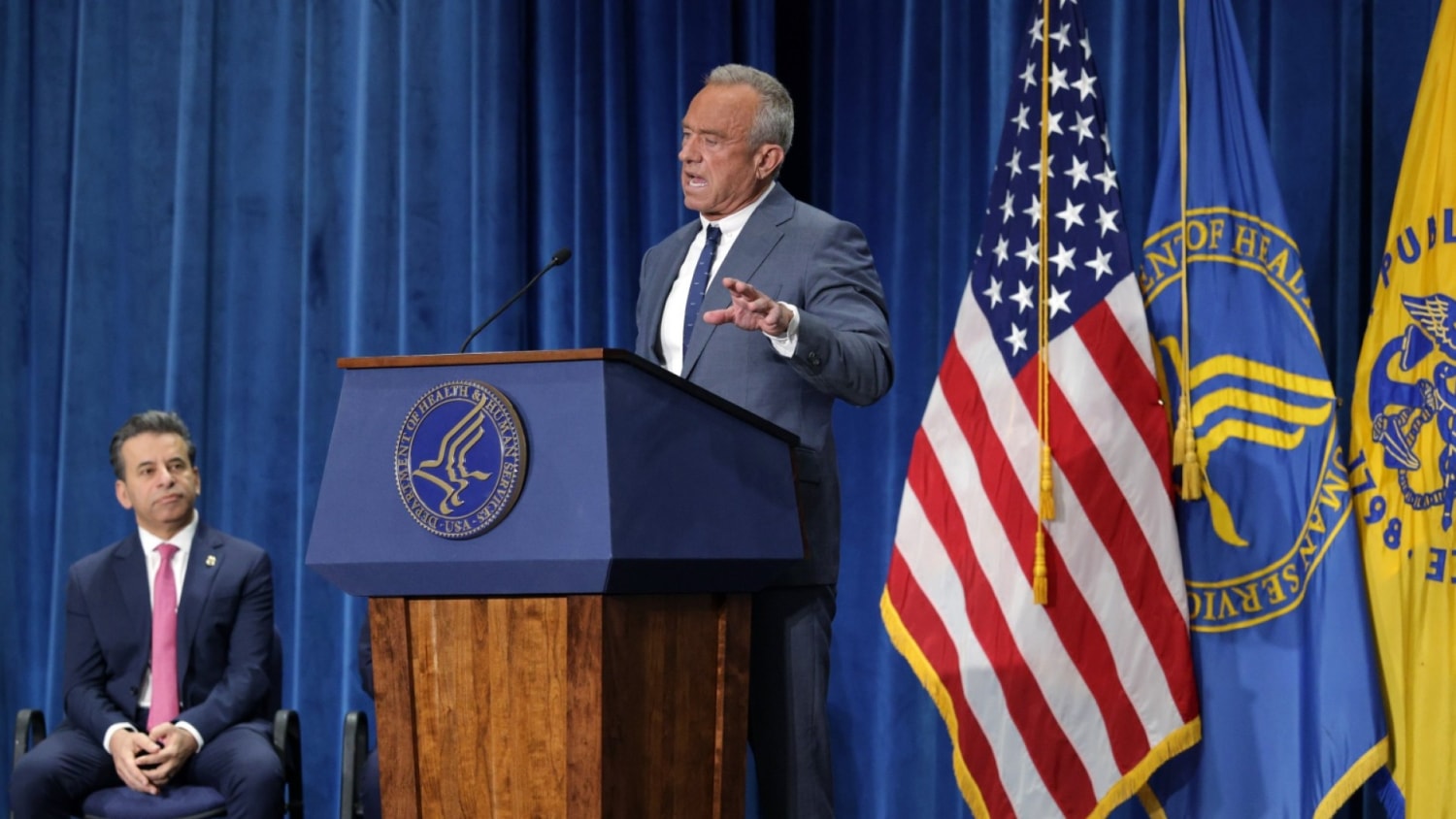
The Trump administration has announced new steps to cut off transgender medical care for children, escalating an already heated national debate over gender-affirming treatment, parental rights, and the role of the federal government in healthcare decisions.
According to officials, the administration is working to block federal funding, regulatory support, and policy protections for medical treatments related to gender transition for minors. The move targets what is commonly referred to as gender-affirming care, including puberty blockers, hormone therapy, and related medical interventions for transgender youth.
Administration officials argue that such treatments are experimental and potentially irreversible, stating that children should not be allowed to undergo medical procedures that could permanently affect their bodies. Supporters of the policy say the government has a responsibility to protect minors from what they describe as unproven or ideologically driven medical practices.
“This is about safeguarding children,” administration representatives said, framing the effort as a public health and child-protection measure rather than a political one. The policy push aligns with Trump’s broader agenda of rolling back LGBTQ-related protections established under previous administrations.
However, medical organizations and civil rights groups strongly oppose the move. Major associations representing pediatricians, endocrinologists, and mental health professionals maintain that gender-affirming care is evidence-based, carefully regulated, and in many cases lifesaving for transgender youth experiencing gender dysphoria.
Critics warn that cutting off access to care could lead to serious mental health consequences, including increased rates of depression, anxiety, and suicide among transgender children and adolescents. Advocacy groups argue that medical decisions should be made by families in consultation with qualified doctors — not politicians.
The policy shift could have wide-ranging legal implications. Several states that protect access to transgender healthcare for minors are expected to challenge the federal actions in court. Legal experts say the issue could quickly escalate to the federal judiciary, potentially setting up another high-profile constitutional battle over healthcare authority and individual rights.
Beyond healthcare access, the administration’s move may also affect schools, hospitals, and insurance providers that rely on federal funding. Institutions could face pressure to alter policies or risk losing financial support, creating uncertainty for families already navigating complex medical decisions.
Public reaction has been sharply divided. Conservative groups and some parents have applauded the administration for taking a firm stance, while protests and demonstrations have erupted in major cities from activists who view the policy as discriminatory and harmful.
As the Trump administration pushes forward, the debate over transgender care for children is becoming a defining cultural and political issue. With court challenges looming and strong reactions on both sides, the fight over how — or whether — transgender minors can access medical care is far from over.
For now, the proposed restrictions signal a dramatic shift in federal policy, one that could reshape the landscape of transgender healthcare in the United States for years to come.
Watch video below :