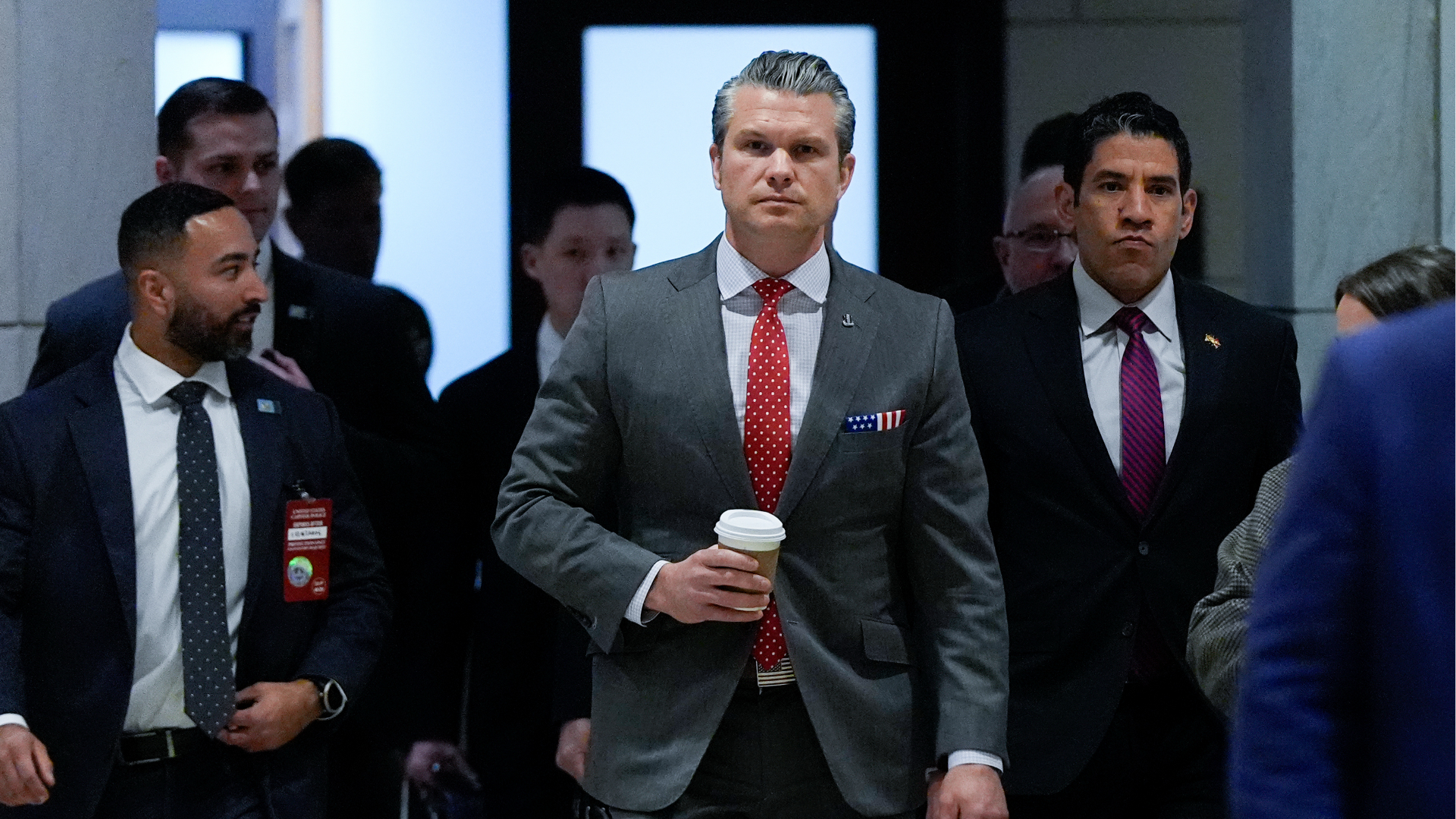
A Republican member of Congress has revealed new details from a high-level briefing focused on so-called “drug boats,” following discussions with Defense Department official Pete Hegseth and Senator Marco Rubio. The briefing shed light on growing concerns over maritime drug trafficking and its implications for U.S. national security.
According to the GOP lawmaker, the briefing centered on fast-moving vessels used by transnational criminal organizations to transport large quantities of narcotics across international waters. These “drug boats,” often designed to evade radar and patrols, represent a persistent challenge for U.S. and regional security forces.
The congressman described the meeting as “eye-opening,” emphasizing that maritime drug trafficking remains a major pipeline for illegal drugs entering the United States. He noted that traffickers are increasingly sophisticated, employing advanced navigation technology, intelligence-sharing networks, and tactics designed to overwhelm interdiction efforts.
Pete Hegseth, who has played a visible role in national security discussions, reportedly stressed the importance of strengthening naval and coast guard capabilities to counter maritime trafficking routes. Senator Marco Rubio, a long-time advocate for tougher measures against drug cartels, highlighted the broader geopolitical implications, including the links between organized crime, corruption, and instability in the Western Hemisphere.
“The threat isn’t just about drugs,” the GOP lawmaker said. “It’s about national security, border security, and the influence of criminal networks that exploit weak enforcement.”
The briefing reportedly covered interdiction strategies, intelligence coordination, and the need for closer cooperation with partner nations in the Caribbean and Latin America. Officials emphasized that while law enforcement has scored significant seizures, traffickers continue to adapt, making sustained investment and coordination essential.
The lawmaker also underscored concerns that maritime drug routes are increasingly intertwined with human trafficking and weapons smuggling. Experts warn that profits from narcotics trafficking often fuel broader criminal enterprises, posing long-term risks to regional stability and U.S. security interests.
The discussion comes amid renewed debate in Congress over defense spending, border enforcement, and the role of the military in supporting counter-narcotics operations. Some lawmakers are pushing for expanded resources for the Navy and Coast Guard, arguing that maritime interdiction is a critical but underfunded component of national security.
Critics, however, caution that enforcement alone may not be sufficient. They argue that demand reduction, international diplomacy, and economic development in source countries must also be part of any comprehensive strategy.
Still, the GOP lawmaker said the briefing reinforced the urgency of action. “What we heard makes it clear that complacency is not an option,” he said, calling for stronger oversight and faster implementation of counter-trafficking initiatives.
As Congress continues to debate security priorities, insights from briefings like this are likely to shape upcoming legislative proposals. With bipartisan concern over drug trafficking’s impact on communities nationwide, the issue of “drug boats” may gain increased attention in policy discussions ahead.
For now, the briefing serves as a reminder that America’s drug crisis is not confined to land borders alone — it is also playing out on the open seas, where enforcement and vigilance remain critical.
Watch video below :