

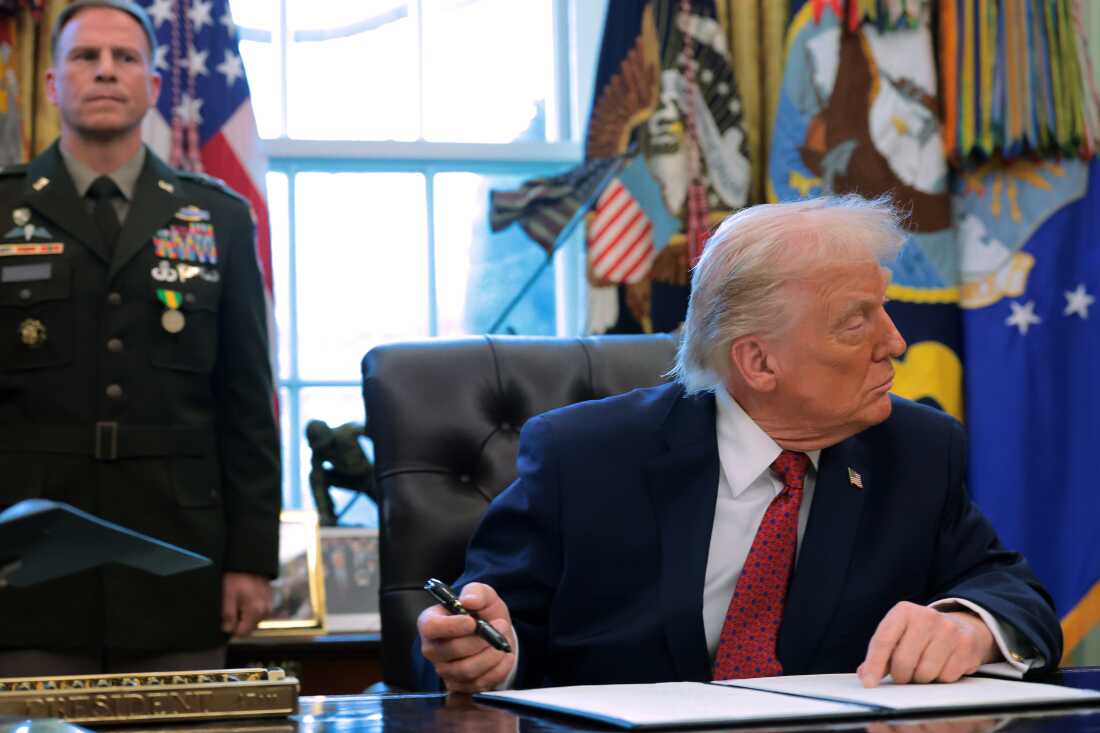
U.S. President Donald Trump has signed a sweeping executive order classifying fentanyl as a Weapon of Mass Destruction (WMD), dramatically escalating the federal government’s approach to combating the opioid epidemic that has claimed tens of thousands of lives across the United States.
The move reframes fentanyl — a synthetic opioid far more potent than heroin — not just as an illegal drug, but as a national security threat, opening the door to harsher penalties, expanded law enforcement powers, and broader use of federal and military resources.
Why Fentanyl Is Being Labeled a WMD
Fentanyl has become the leading cause of drug overdose deaths in the U.S., responsible for the majority of opioid-related fatalities in recent years. Officials backing the order argue that the drug’s extreme lethality, ease of distribution, and foreign production links make it comparable to other weapons designed to cause mass casualties.
Under the executive order, fentanyl and related synthetic opioids are treated as tools capable of mass harm, particularly when trafficked in large quantities or mixed into other drugs without users’ knowledge.
What the Executive Order Does
Classifying fentanyl as a WMD significantly expands the federal government’s authority to fight its production and distribution. The order allows for:
- Harsher criminal penalties for traffickers and distributors
- Expanded use of counterterrorism and national security laws
- Increased involvement of federal agencies, including Homeland Security and the Department of Defense
- Stronger action against foreign cartels and international supply chains
Supporters say the designation reflects the scale of the crisis and provides law enforcement with stronger tools to dismantle trafficking networks.
A Shift in the Drug War Strategy
The executive order marks a major shift in how the U.S. government frames the fentanyl crisis — from a public health emergency to a national defense issue. Trump and his allies argue that traditional drug enforcement strategies have failed to stem the flow of fentanyl into American communities.
By elevating fentanyl to the level of a WMD, the administration signals an aggressive, zero-tolerance stance focused on deterrence, disruption, and punishment.
Support and Criticism
Supporters of the move praise the order as long overdue, arguing that fentanyl’s death toll rivals that of major national disasters. They say treating it as a weapon underscores the urgency of protecting American lives and sends a strong message to traffickers.
Critics, however, warn that the designation could blur the line between public health and criminal justice, potentially leading to mass incarceration without addressing addiction and treatment needs. Some experts argue that focusing solely on enforcement risks neglecting prevention, rehabilitation, and mental health services.
Civil liberties groups have also raised concerns about expanded federal powers and the potential misuse of national security laws in drug cases.
Broader Implications
The executive order could reshape how fentanyl cases are prosecuted and how the U.S. engages with foreign governments accused of enabling drug production. It may also influence future legislation, pushing Congress toward tougher laws targeting synthetic opioids.
State and local governments are now assessing how the new classification will affect policing, prosecution, and overdose response strategies.
What Comes Next
Implementation of the order will depend on how federal agencies interpret and enforce the new designation. Legal challenges are expected, and lawmakers on both sides of the aisle are likely to debate its long-term consequences.
What is clear is that classifying fentanyl as a Weapon of Mass Destruction represents one of the most aggressive federal responses yet to a crisis that continues to devastate communities nationwide — and signals a hardline approach to one of America’s deadliest public health threats.
Watch video below :


