Kilmar Abrego Garcia was released from ICE custody after a significant judge’s ruling that is already being viewed as a potential turning point in ongoing debates over immigration enforcement and detainee rights. The decision, which followed weeks of legal arguments, intense advocacy efforts, and increasing public attention, has raised important questions about detention protocols, due process, and the standards required for holding individuals in federal custody.
According to court documents, Garcia had been detained for several months while his immigration case moved through the legal system. His attorneys argued that his prolonged confinement violated constitutional protections, emphasizing that he posed no threat to public safety and had strong community ties. Supporters organized petitions, press conferences, and letters of support, urging the court to reconsider the grounds for his detention.
During the pivotal hearing, the judge carefully reviewed evidence presented by both Garcia’s legal team and government attorneys representing ICE. Prosecutors argued that Garcia’s detention was justified based on procedural considerations within federal immigration law. However, the judge ultimately sided with the defense, citing insufficient justification for continued confinement and emphasizing the importance of timely judicial review in immigration cases.
In a strongly worded ruling, the judge highlighted concerns about overcrowded detention centers, the need for transparency, and the importance of upholding constitutional rights for all individuals—regardless of immigration status. The ruling stated that ICE had not demonstrated adequate cause for detaining Garcia any longer, clearing the way for his immediate release.
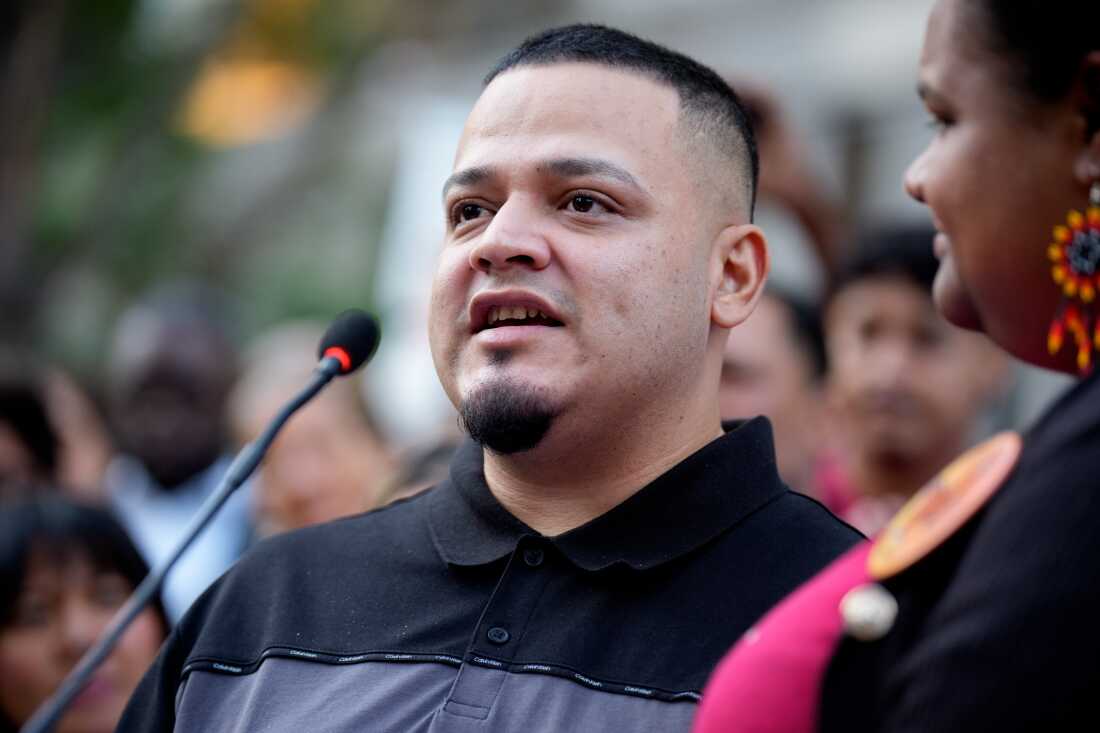
Garcia walked out of custody surrounded by emotional family members and supporters who had been advocating on his behalf for months. Witnesses described scenes of relief and celebration as he reunited with relatives waiting outside the facility. Garcia expressed gratitude toward his legal team and supporters, stating that he hoped to continue fighting his immigration case while rebuilding his life outside detention.
Immigration advocates praised the judge’s decision, calling it a victory for due process and a reminder of the legal safeguards built into the U.S. justice system. They noted that many individuals in similar circumstances lack legal representation or the visibility needed to draw attention to their cases, making Garcia’s outcome particularly significant.
Legal analysts say the ruling could influence future immigration detention challenges, especially those involving prolonged confinement without clear justification. Some predict an increase in motions seeking release based on similar legal arguments, while others caution that outcomes will likely remain dependent on individual circumstances and judicial interpretation.
ICE officials, responding to media inquiries, reiterated their commitment to enforcing immigration law but did not comment in detail on the ruling. The agency confirmed that Garcia has been released under standard supervision conditions while his case proceeds.
As Garcia resumes life outside detention, his legal journey is far from over. However, the judge’s ruling marks a critical moment—not just for him, but for broader conversations surrounding immigration enforcement, human rights, and judicial oversight in the United States.
Watch video below :