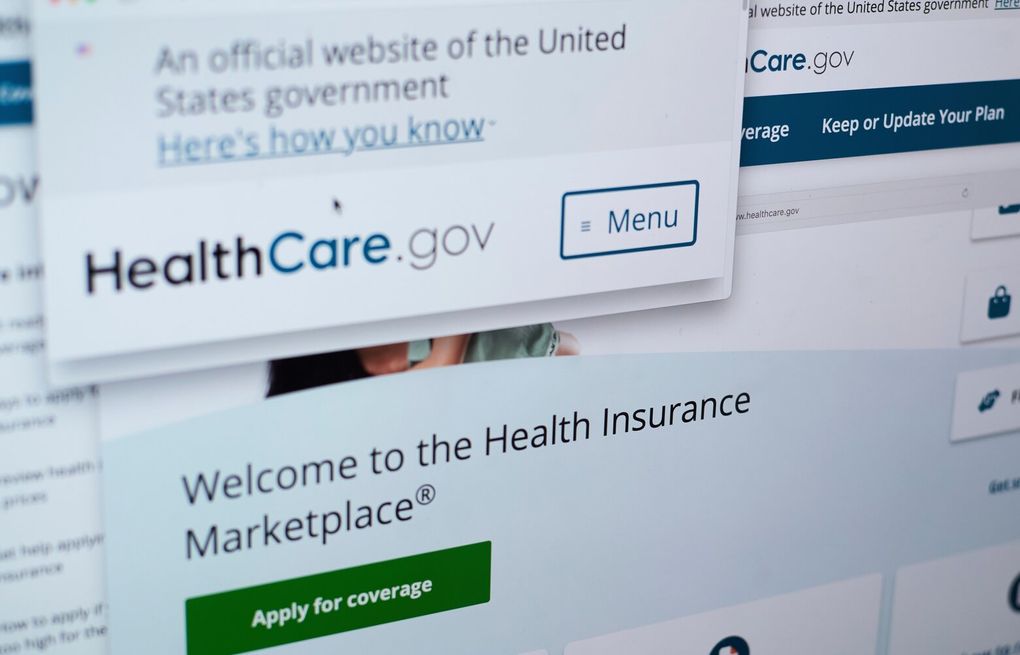
In a dramatic and highly anticipated showdown on Capitol Hill, the U.S. Senate voted down two competing health care proposals on Wednesday, ending weeks of debate and leaving the future of federal health reform hanging in the balance. The rejection of both bills — one backed by Democratic leadership and the other championed by key Republican lawmakers — underscores deep political divisions as the country continues to grapple with rising medical costs, insurance instability, and widening access disparities.
The first proposal, a Democratic-led health care expansion plan, aimed to increase subsidies on the Affordable Care Act marketplace, cap prescription drug prices, and introduce a new public option designed to compete with private insurers. Democrats argued that the plan would lower premiums, improve affordability, and strengthen coverage for millions of Americans. Supporters framed the bill as a necessary modernization of the nation’s health system at a time when medical expenses remain a top concern for households nationwide.
The competing Republican proposal focused on reducing federal spending, promoting private-sector innovation, and expanding health savings accounts. Republican lawmakers argued that their plan would empower consumers, eliminate what they describe as burdensome federal regulations, and reduce long-term government costs. GOP leaders claimed that a market-driven approach would lead to greater flexibility, more provider options, and increased competition to drive down prices.
Despite heated floor speeches, intense lobbying from interest groups, and passionate appeals from both sides of the aisle, neither bill achieved the votes needed to advance. Political analysts noted that moderates in both parties played a decisive role, expressing concerns about cost projections, potential coverage gaps, and long-term economic impacts.
The vote followed days of tense negotiations and last-minute amendments intended to win over undecided senators. However, neither proposal succeeded in bridging the ideological divide. Democrats criticized the Republican plan as “underfunded and unrealistic,” while Republicans labeled the Democratic bill as “bloated government overreach.” Ultimately, both proposals fell short of the 60-vote threshold required to move forward.
Health policy experts say the Senate’s failure to pass either bill highlights a critical moment for national health care reform, as millions of Americans continue to face high premiums, unpredictable insurance markets, and mounting out-of-pocket costs. The deadlock raises further questions about whether bipartisan cooperation is possible in the current political climate.
With both health care proposals blocked, Senate leaders now face mounting pressure to return to the negotiating table. Advocacy groups, hospital systems, and patient organizations have already called for renewed talks and a more collaborative approach. Many note that without congressional action, insurers may withdraw from certain regions, leaving some Americans with fewer or no marketplace options.
As the dust settles, both parties claim they remain committed to improving the nation’s health care system — but the path forward remains uncertain. The Senate’s rejection of the dueling proposals reflects not only political divisions but also the complexity of crafting a system that balances cost, access, and quality in a deeply polarized era.
Watch video below :
:max_bytes(150000):strip_icc():focal(749x0:751x2)/Karoline-Leavitt-Expecting-Baby-No-2-122625-3ee9c9c5c0004741808a746cca98b9b2.jpg?w=350&resize=350,220&ssl=1 "White House Press Secretary Karoline Leavitt Announces Pregnancy, Expecting Baby Girl")





:max_bytes(150000):strip_icc():focal(749x0:751x2)/Karoline-Leavitt-Expecting-Baby-No-2-122625-3ee9c9c5c0004741808a746cca98b9b2.jpg?w=180&resize=180,130&ssl=1 "White House Press Secretary Karoline Leavitt Announces Pregnancy, Expecting Baby Girl")