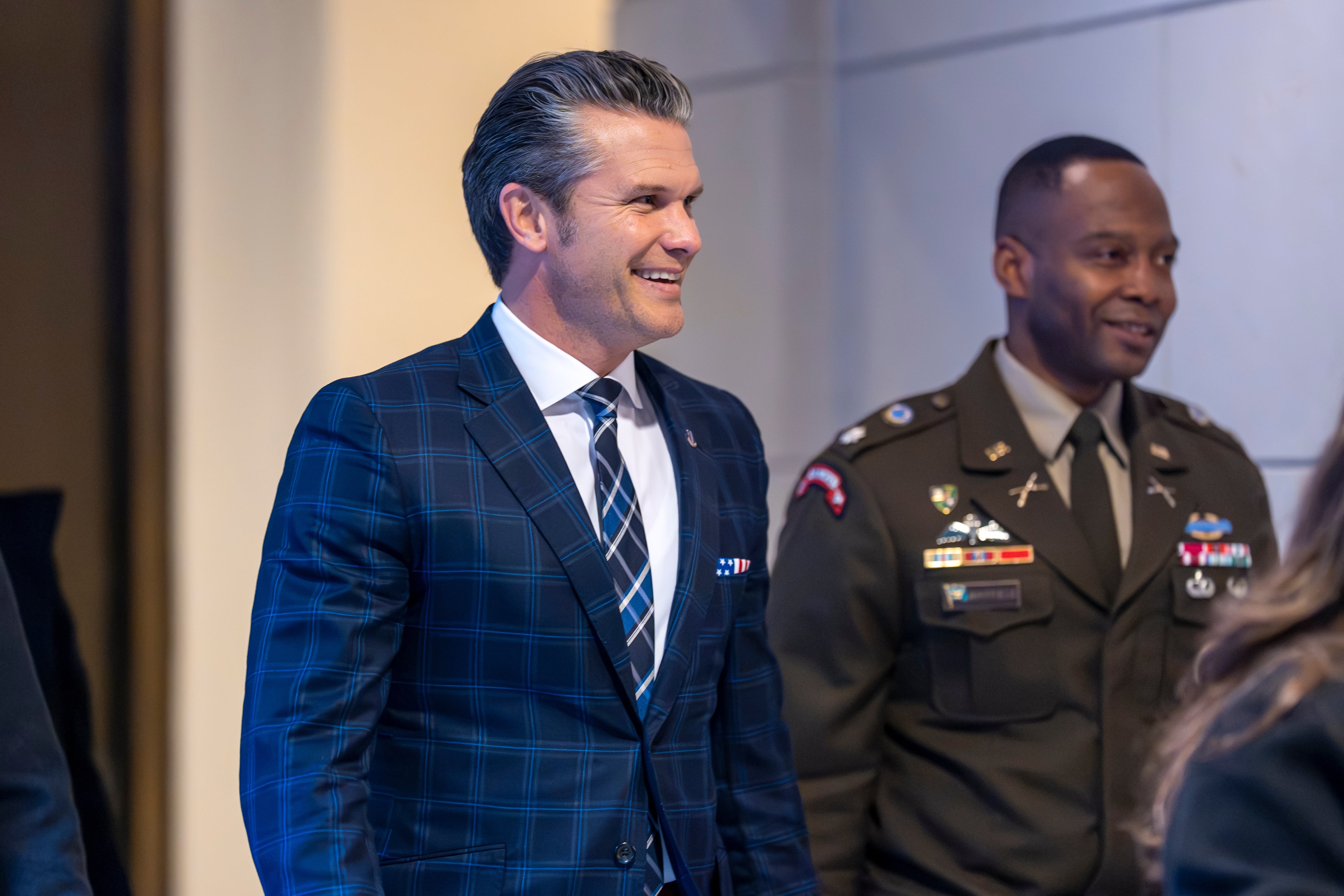
U.S. lawmakers are intensifying pressure on Defense Secretary Pete Hegseth, demanding that the Pentagon release the video of a controversial boat strike that has drawn national attention and triggered debates over transparency, military accountability, and foreign policy. The incident, which reportedly involved a U.S. operation targeting a vessel off a conflict-sensitive coastline, has become a flashpoint on Capitol Hill as officials seek clarity on what truly happened.
Members of Congress from both parties have called for the immediate release of the footage, arguing that the public has a right to see the evidence behind the Pentagon’s actions. Some lawmakers insist the video is essential to understanding the legality and proportionality of the strike, while others warn that withholding the footage only fuels speculation, misinformation, and distrust.
One senior lawmaker stated, “The American people deserve transparency. If this strike was justified, then there should be no reason to hide the video. The longer it stays classified, the more questions it raises.” The statement reflects a growing bipartisan sentiment that the Pentagon must provide visual confirmation to support its narrative of the event.
Hegseth, however, has so far declined to release the footage, citing operational security concerns and the need to protect intelligence sources and methods. Pentagon officials argue that making the video public too soon could jeopardize ongoing operations, reveal sensitive capabilities, or escalate tensions with foreign actors. They emphasize that internal reviews are already underway to assess the circumstances surrounding the strike.
Despite these assurances, lawmakers remain skeptical. Several have formally requested a classified briefing, seeking access to both the video and the intelligence used to authorize the strike. Others argue that selective disclosure—sharing details with Congress but not with the public—fails to address the broader issue of government transparency in military actions.
The controversy comes at a time when public trust in federal institutions is fragile, and debates over military oversight are increasingly prominent. Analysts note that requests for visual evidence have become more common in the digital age, where videos often play a crucial role in shaping public opinion and validating official narratives. The pressure on Hegseth highlights an evolving expectation: that high-stakes military operations be accompanied by prompt and transparent documentation.
Political experts warn that the longer the Pentagon delays releasing the footage, the more it risks damaging credibility. In past incidents, the release of video evidence has either validated military claims or raised difficult questions—both outcomes considered crucial for accountability. Without such transparency, critics argue, the nation risks eroding democratic oversight of its armed forces.
Meanwhile, advocacy groups and civil liberties organizations have joined the chorus of voices demanding the video’s release. They argue that open access to information is essential for maintaining a balance between national security and public accountability.
As pressure mounts, Hegseth faces a critical decision: whether to maintain the Pentagon’s current stance or yield to lawmakers’ demands for transparency. The outcome will likely shape public discourse on military oversight for months to come—and may influence how future operations are communicated to the American people.
Watch video below :
:max_bytes(150000):strip_icc():focal(749x0:751x2)/Karoline-Leavitt-Expecting-Baby-No-2-122625-3ee9c9c5c0004741808a746cca98b9b2.jpg?w=350&resize=350,220&ssl=1 "White House Press Secretary Karoline Leavitt Announces Pregnancy, Expecting Baby Girl")




:max_bytes(150000):strip_icc():focal(749x0:751x2)/Karoline-Leavitt-Expecting-Baby-No-2-122625-3ee9c9c5c0004741808a746cca98b9b2.jpg?w=180&resize=180,130&ssl=1 "White House Press Secretary Karoline Leavitt Announces Pregnancy, Expecting Baby Girl")