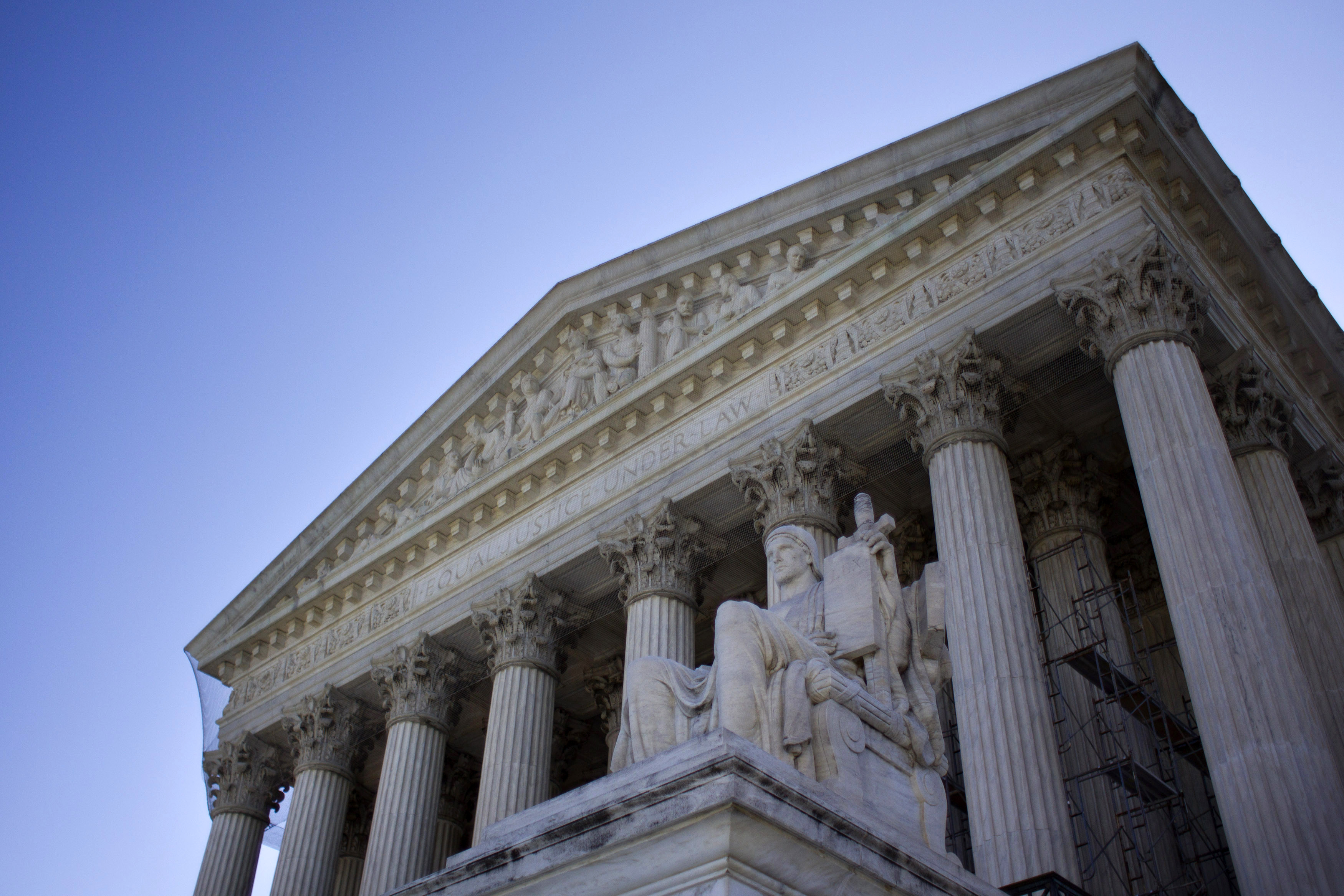
Republican leaders are mounting their most aggressive challenge in years against federal limits on campaign donations, bringing a landmark case before the U.S. Supreme Court. The outcome could dramatically reshape how political parties raise and spend money — and redefine the role of big donors in American elections.
At the center of the case are long-standing federal rules that cap how much national political parties can spend in coordination with their candidates. These caps, established under the Federal Election Campaign Act (FECA), restrict how much financial support a party can provide directly to a campaign for advertising, voter outreach, and strategic operations.
Republicans Claim the Limits Violate Free Speech
Republican committees argue that the spending caps violate the First Amendment by restricting their ability to fully support their own candidates. They say political spending is a form of protected speech — and that outdated limits hinder their ability to compete in a political landscape dominated by super PACs and outside groups.
Their legal team points to the huge rise of independent expenditures since the Supreme Court’s 2010 Citizens United ruling. With super PACs now able to spend unlimited funds on behalf of candidates, Republicans argue that political parties — which are transparent and regulated — should not be the ones restricted.
According to them, eliminating these limits would strengthen party accountability, reduce reliance on dark-money groups, and bring more transparency to the election system.
Opponents Warn of Corruption Risks
Democrats, campaign-finance watchdogs, and some former election officials strongly disagree. They argue that removing coordinated spending limits would effectively allow wealthy donors to funnel unlimited money to candidates through political parties — creating a direct path for influence and corruption.
Without these limits, they warn, parties could become “mega PACs,” allowing rich individuals and corporations to dominate elections and overshadow small donors. Critics say the change would weaken safeguards designed to prevent quid-pro-quo arrangements and give political insiders unprecedented power.
Supreme Court Signals Mixed Reactions
During oral arguments, justices appeared divided. Some questioned whether current rules still make sense in an era where outside groups can spend freely. Others expressed concern that removing limits would erase one of the few remaining protections against political corruption.
The Court’s decision will hinge on how it defines corruption:
-
Is it only explicit bribery?
-
Or does the appearance of undue influence also matter?
The answer could fundamentally reshape campaign finance law.
A Ruling That Could Change Future Elections
If the Supreme Court sides with Republicans, national parties would gain extraordinary freedom to pour money directly into competitive races. Campaign budgets could skyrocket, and major donors could gain unprecedented access to party leaders and candidates.
If the Court upholds the limits, existing guardrails will remain — preserving current boundaries on party-candidate coordination.
Either way, the ruling is expected to become one of the most important campaign-finance decisions in decades, with a direct impact on the 2026 midterms and beyond.
Watch video below :